
Jerusalem Post — Iran News
rightREPORTAfter Strait of Hormuz, Iran turns to Bab el-Mandeb as new pressure point - analysis

Full BriefGenerated 11d ago
What Happened
Iran is signaling through its Yemeni proxy, the Houthis (Ansarullah), that it could close the Bab el-Mandeb Strait as a new pressure point against Washington, compounding the existing choke on the Strait of Hormuz. On Monday, Houthi political bureau member Mohammed al-Farah warned on Iran's Press TV that Yemen's armed forces were prepared to close Bab el-Mandeb if Saudi Arabia continued attacks on Yemen, claiming the US was inciting Riyadh. He threatened an 'operational alliance' closing both straits, predicting oil prices could surge to $200 per barrel. The statement comes amid escalating US strikes inside Iran and parallel Houthi attacks, with analysts describing the move as Tehran widening the conflict and threatening both of the world's key energy transit chokepoints simultaneously.
Key Actors
- ·Houthis (Ansarullah)(Iran-backed Yemeni armed group)Threatened to close the Bab el-Mandeb Strait in coordination with Iran if Saudi Arabia continues attacks, claiming the US is inciting Riyadh and warning of a joint closure with the Strait of Hormuz.
- ·Islamic Revolutionary Guard Corps (IRGC)(Iranian military branch directing external operations via the Quds Force)Signaled through the Houthi statement a readiness to open a second maritime pressure point, leveraging its proxy to amplify economic and military pressure on Washington.
- ·United States(Adversary state conducting strikes inside Iran and leading a multinational naval mission in the Red Sea)Seeks to change Iran’s calculus through military pressure, but faces the risk of simultaneous chokepoint closures disrupting global energy trade and triggering a broader confrontation.
Why It Matters
The threat to close Bab el-Mandeb alongside the already disrupted Strait of Hormuz would place two of the world’s most critical oil and shipping lanes at risk, potentially triggering a severe global economic shock. It marks a dangerous escalation in Iran’s asymmetric strategy, using proxy forces to extend the confrontation beyond the Gulf and deepen pressure on Washington. The move could force the US and its allies to consider a broader military response or a return to negotiations, while Gulf states weigh whether the cost of a wider conflict is preferable to a destabilized status quo.
Watch For
Monitor whether Houthi forces escalate attacks on commercial shipping or attempt to mine the Bab el-Mandeb Strait, following the threat. Watch for any intensification of US strikes on Iranian or Houthi targets, Saudi Arabia’s military posture in Yemen, and diplomatic signals from Oman-mediated backchannels. Oil market reactions and shipping company rerouting decisions will be immediate indicators. The IAEA reporting cycle and any new US-Iran backchannel talks could also be affected by the rising maritime tensions.
Generated 11d ago · Based on full articleAuto-Compiled
This page aggregates and summarizes reporting from Jerusalem Post — Iran News. The Conflict Pulse does not author original reporting. Read the original source for full coverage.
CONFLICT OVERVIEW
Iran
Latest verified updates on Iran’s regional confrontation, U.S.–Israeli strikes, missile retaliation, proxy networks, sanctions, and Strait of Hormuz risks.
SOURCE PERSPECTIVES
How outlets across the bias spectrum are covering this conflict.
left
US expands Iran attacks as Trump warns Tehran and Houthis over Red Sea strikes
The Guardian Middle EastHow Chinese tech and Russian tactics are aiding Iran’s bombing of US bases
The Guardian AsiaLATEST FROM IRAN

REPORTFrance 24 Middle East1d ago
Arrests, denials and missing images: Gulf states’ response to Iranian strikes

REPORTFrance 24 Middle East1d ago
Iran warns countries aiding US attack
REPORTDW News1d ago
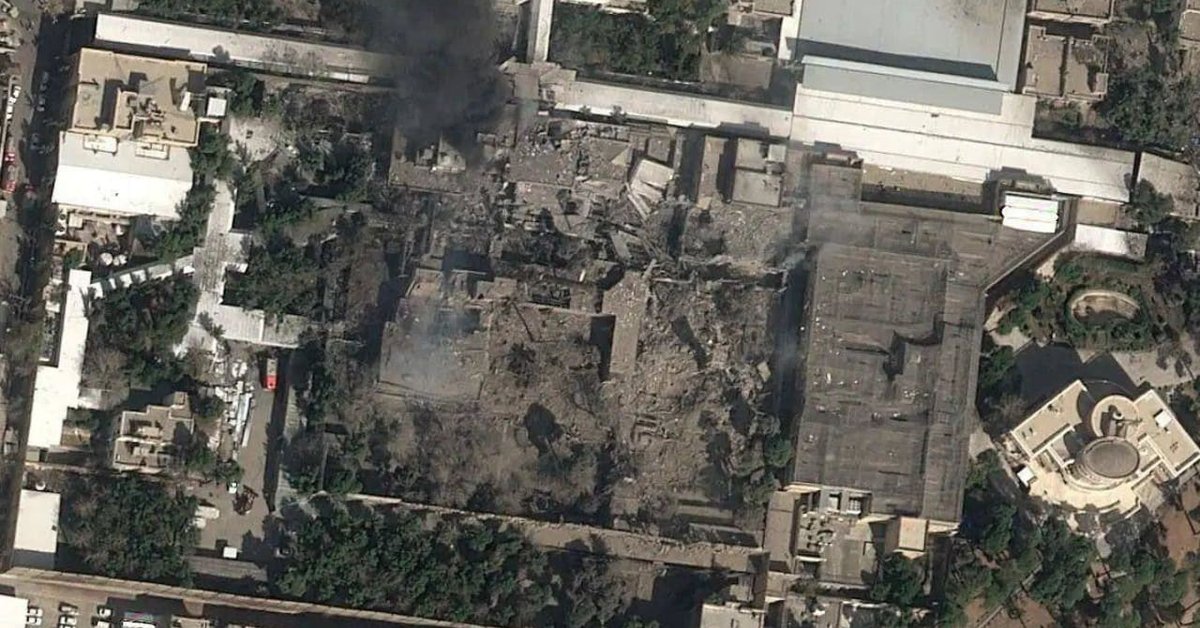
Why Iran's Pickaxe Mountain is a tough target for the US
REPORTIran International1d ago
Ali Khamenei was killed at meeting on protest crackdown - security-linked outlet

REPORTIran International1d ago
Germany limits Tehran embassy services as it urges citizens to leave Iran
REPORTIran International1d ago