
Ukrainska Pravda
centerDEVELOPINGZelenskyy responds to Trump and says Ukraine is ready for de-escalation: "Solutions are possible"
Full BriefGenerated 3h ago
What Happened
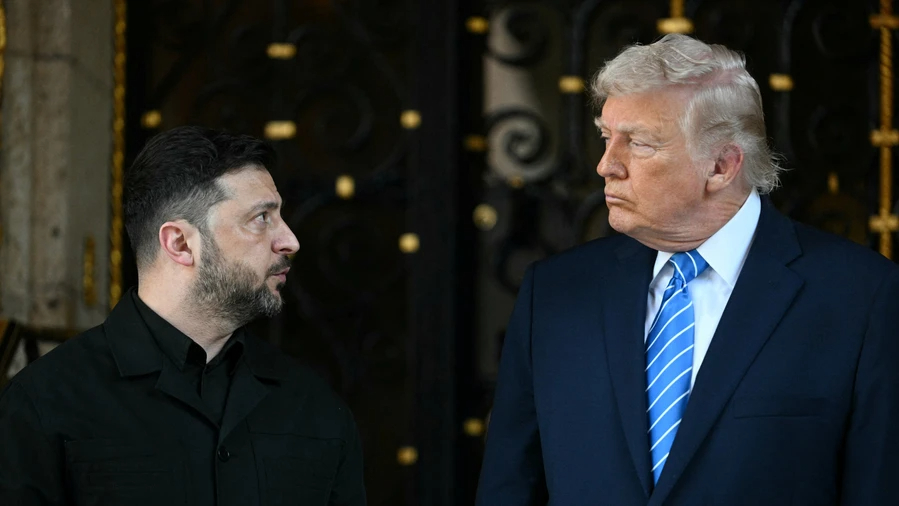
Ukrainian President Volodymyr Zelenskyy said on X (Twitter) that Ukraine is willing to work towards de-escalation of the war and will discuss diplomatic proposals with partners, responding to US President Donald Trump's social media post in which Trump said Russia has lost control of its oil refining industry and urged Russia to end the war. Zelenskyy agreed the war needs to end and stated Ukraine has sought peace from the first minute of Russia's invasion. He said ideas are being considered to bring peace closer, and specifically that Russia should be forced to end strikes on energy facilities, critical infrastructure and Ukraine's food exports, which he said would lead to matching de-escalation steps from Ukraine. Zelenskyy added that Ukraine will discuss these ideas with partners, including during meetings on the sidelines of the UN General Assembly in New York this week. Sources say Zelenskyy will meet Trump in the United States on 22 September; Axios reported that during a conversation about the planned meeting, Trump repeatedly asked Ukraine to stop strikes on Russian oil refineries.
Key Actors
- ·Volodymyr Zelenskyy(President of Ukraine)Said Ukraine is ready for de-escalation and will discuss proposals with partners, conditioning reciprocal steps on Russia ending strikes on energy, critical infrastructure and food exports.
- ·Donald Trump(President of the United States)Posted that Russia has lost control of its oil refining industry, urged Russia to end the war, and reportedly asked Ukraine to stop strikes on Russian oil refineries ahead of a planned meeting.
- ·Russia(Party to the war; target of Zelenskyy's de-escalation demands)Zelenskyy said Russia should be forced to end strikes on energy facilities, critical infrastructure and Ukraine's food exports as a condition for Ukrainian de-escalation.
Why It Matters
The exchange signals potential diplomatic movement between Kyiv and Washington ahead of the 22 September Zelenskyy-Trump meeting at the UN General Assembly, amid Trump's reported pressure on Ukraine to halt strikes on Russian oil refineries. Zelenskyy's conditional readiness — reciprocal de-escalation if Russia stops striking energy, infrastructure, and food export targets — frames a possible negotiation pathway, while his statement that 'the aggressor will suffer as well' suggests Ukraine intends to maintain long-range strike capability as leverage.
Watch For
Monitor the 22 September in-person meeting between Zelenskyy and Trump in New York; Zelenskyy's meetings with other partners on the UN General Assembly sidelines this week; any Russian response to the proposal that Russia stop strikes on energy, critical infrastructure and food exports; and whether Ukraine's strike campaign against Russian oil refineries changes after reported US pressure.
Generated 3h ago · Based on full articleAuto-Compiled
This page aggregates and summarizes reporting from Ukrainska Pravda. The Conflict Pulse does not author original reporting. Read the original source for full coverage.
CONFLICT OVERVIEW
Ukraine–Russia
Latest verified updates on Russia’s war in Ukraine, frontline shifts, drone warfare, Western support, occupied territories, and ceasefire diplomacy.
Active since February 2014
SOURCE PERSPECTIVES
How outlets across the bias spectrum are covering this conflict.
LATEST FROM UKRAINE–RUSSIA
DEVELOPINGUkrainska Pravda6h ago
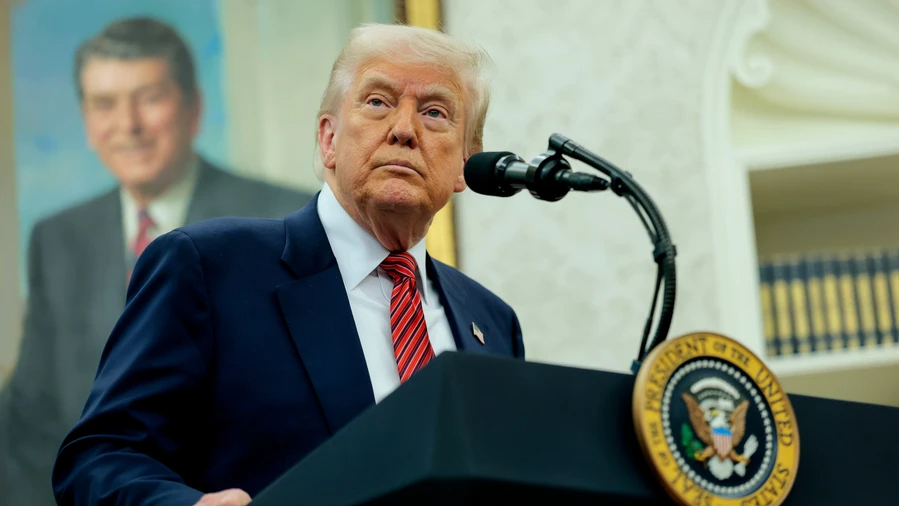
Trump: Russia has lost control of its diesel oil industry due to war against Ukraine
DEVELOPINGUkrainska Pravda7h ago
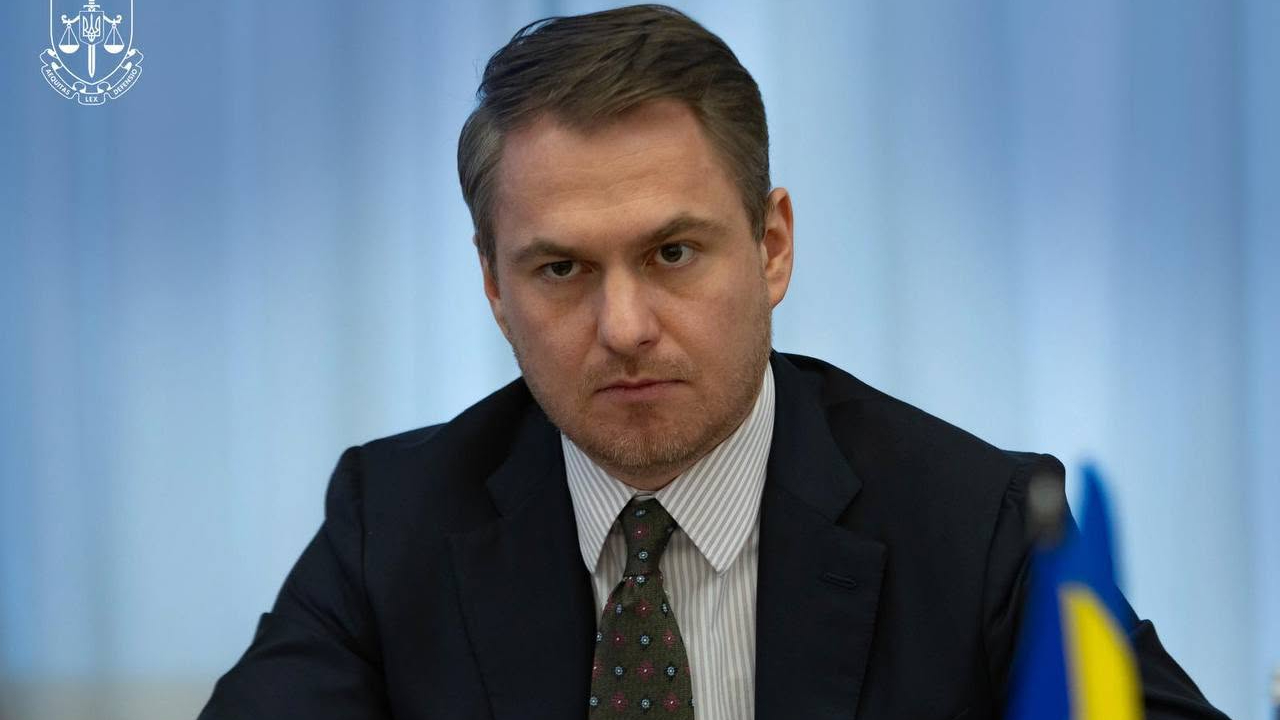
Ukraine's sacked prosecutor general still not back at work days after his official trip ended
DEVELOPINGUkrainska Pravda8h ago
Justice in action: Five lessons for Ukraine from the conviction of Kosovo’s former president
DEVELOPINGUkrainska Pravda8h ago
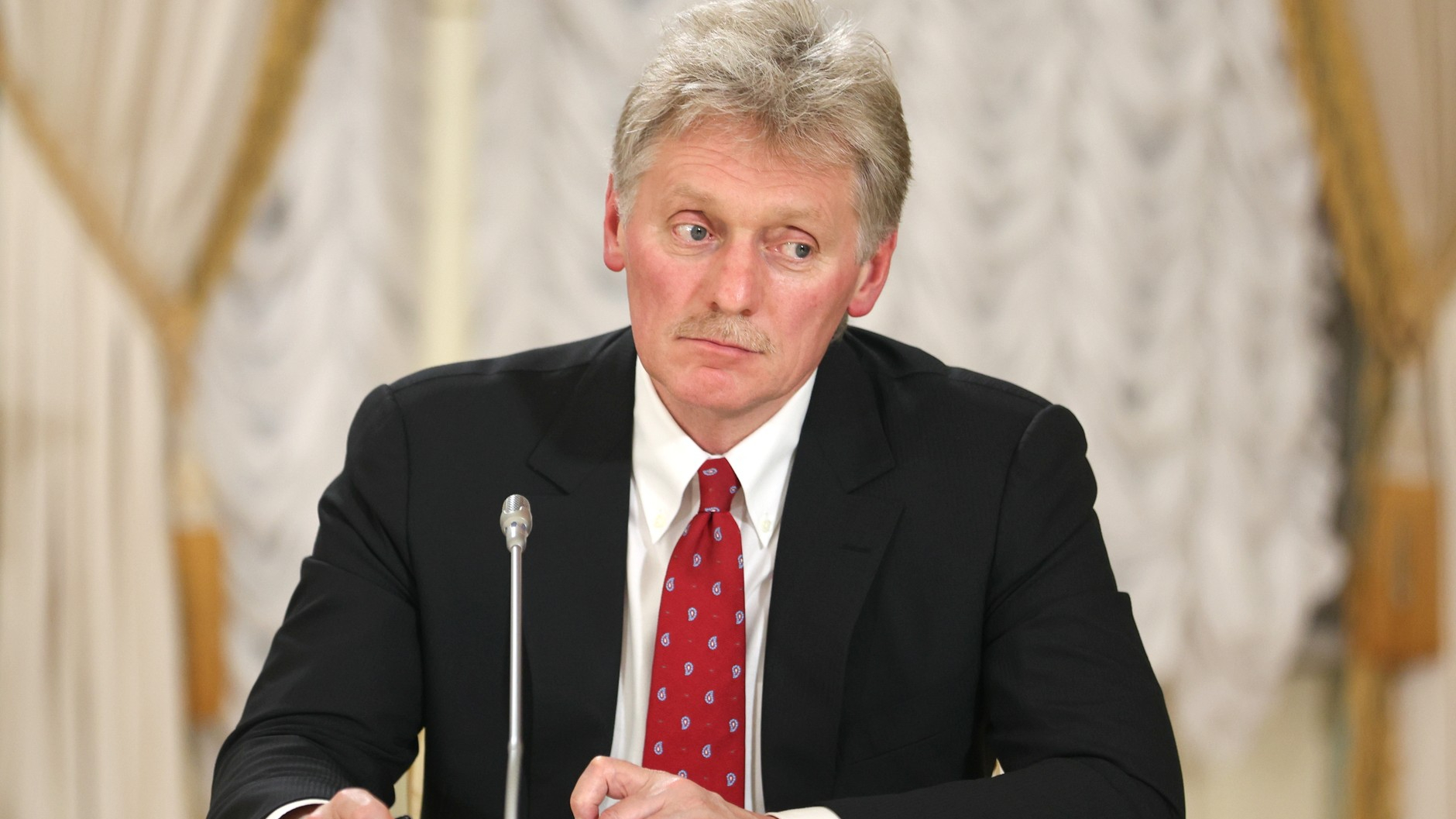
Kremlin reacts to Trump signing sanctions bill into law: "Unlikely to contribute to Ukrainian settlement"
DEVELOPINGUkrainska Pravda9h ago
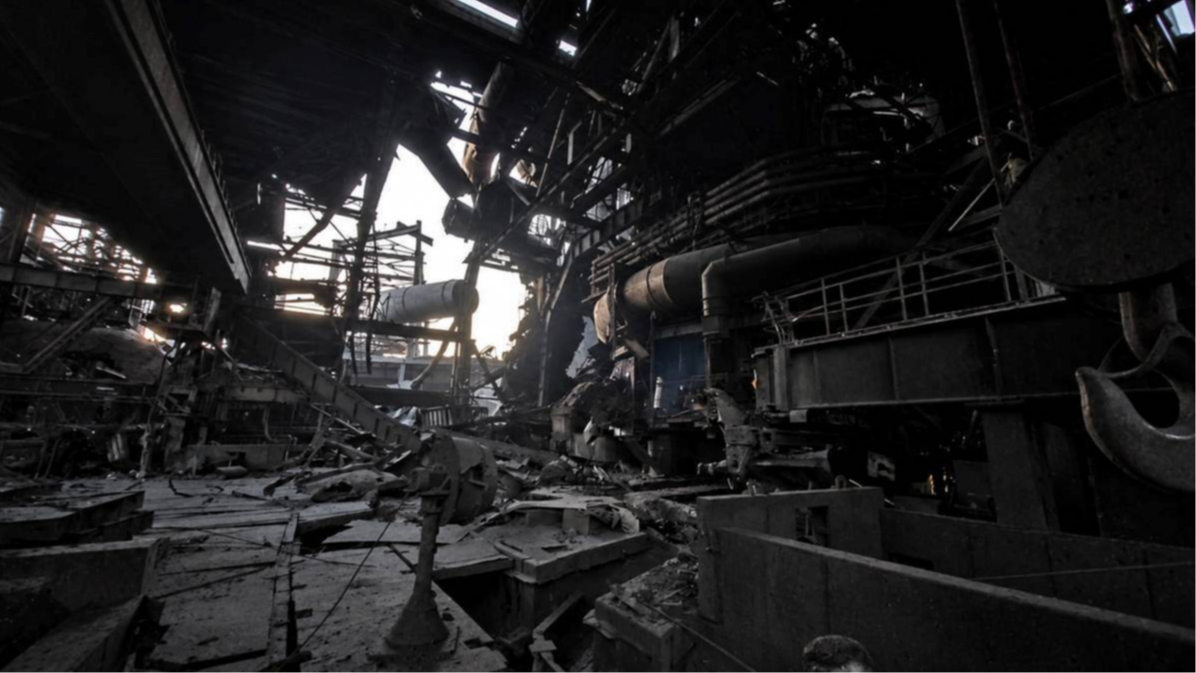
Russian strikes halted 90% of Ukraine's steel production – FT
DEVELOPINGUkrainska Pravda9h ago