
DW News
centerREPORTUS strikes on southern Iran infrastructure widen war
Full BriefGenerated 101d ago
What Happened
Over the past week, US military forces conducted a series of strikes on civilian infrastructure in southern Iran, particularly in Hormozgan province. Iranian media reported that early on Friday, July 17, six bridges in Khamir county were struck, followed by additional attacks on two tunnels and two more bridges in Hormozgan, killing at least eight people. The strikes targeted bridges, tunnels, roads, rail lines, power facilities, and desalination plants in a deliberate pattern west and north of the provincial capital Bandar Abbas, with a second wave hitting infrastructure to the east and north. According to security analyst Shukria Bradoost, the US aims to reopen the Strait of Hormuz by degrading Iran's ability to move forces and sustain military pressure in the area, marking a shift from purely maritime targets to mobility-crippling infrastructure. The US has so far refrained from striking Kharg Island's oil export terminal, though analysts note the potential for increased pressure on the island to reduce Iranian oil exports to near zero.
Key Actors
- ·United States military(Striking force)Conducting deliberate infrastructure strikes in southern Iran to degrade Iran's ability to project power near the Strait of Hormuz and pressure Tehran into negotiations.
- ·Iran(Targeted state)Ramping up rhetoric of revenge following Ayatollah Ali Khamenei's burial, seeking to widen the energy crisis and shift the costs of war onto others to protect the regime's political survival.
Why It Matters
The US strikes on bridges, tunnels, and railways in Hormozgan represent a strategic escalation aimed at crippling Iran's logistical capacity to threaten the Strait of Hormuz, a critical chokepoint for global oil transit. By targeting civilian infrastructure, Washington signals a shift toward a war of attrition that could paralyze Iran's ability to sustain military operations and leverage oil exports. The conflict carries high risks of wider energy market disruption and a potential direct confrontation over Kharg Island, while internally, the post-Khamenei Iranian leadership appears to be using the external threat to deflect domestic pressure, making compromise harder and prolonging the war.
Watch For
Monitor whether the US expands strikes to Kharg Island's oil terminal or attempts a military seizure, which would trigger a major oil price shock. Watch for Iranian retaliatory measures, including attacks on shipping or energy infrastructure in the Gulf, and for any signs of diplomatic backchannel engagement amid heightened rhetoric. Assess the impact of infrastructure degradation on Iranian force mobility and internal stability, and track global energy market reactions as the conflict continues.
Generated 101d ago · Based on full articleAuto-Compiled
NO IMAGE AVAILABLEDW News
DAILY BRIEFING
Follow Iran
Get a daily briefing with the most critical developments from every active conflict zone. Concise. Verified. Free.
No spam. Unsubscribe anytime. Verified sources only.
This page aggregates and summarizes reporting from DW News. The Conflict Pulse does not author original reporting. Read the original source for full coverage.
CONFLICT OVERVIEW
Iran
Latest verified updates on Iran’s regional confrontation, U.S.–Israeli strikes, missile retaliation, proxy networks, sanctions, and Strait of Hormuz risks.
MORE REPORTING ON THIS REGION
Recent reporting from this region. These stories may cover different events.
LATEST FROM IRAN

DEVELOPINGJerusalem Post — Iran News11h ago
'Some optimism' in US-Iran negotiations despite major disagreements, sources tell 'Post'

DEVELOPINGAl Jazeera11h ago
How will the Iran war shape the outcome of the US midterm vote?
REPORTJerusalem Post — Iran News12h ago
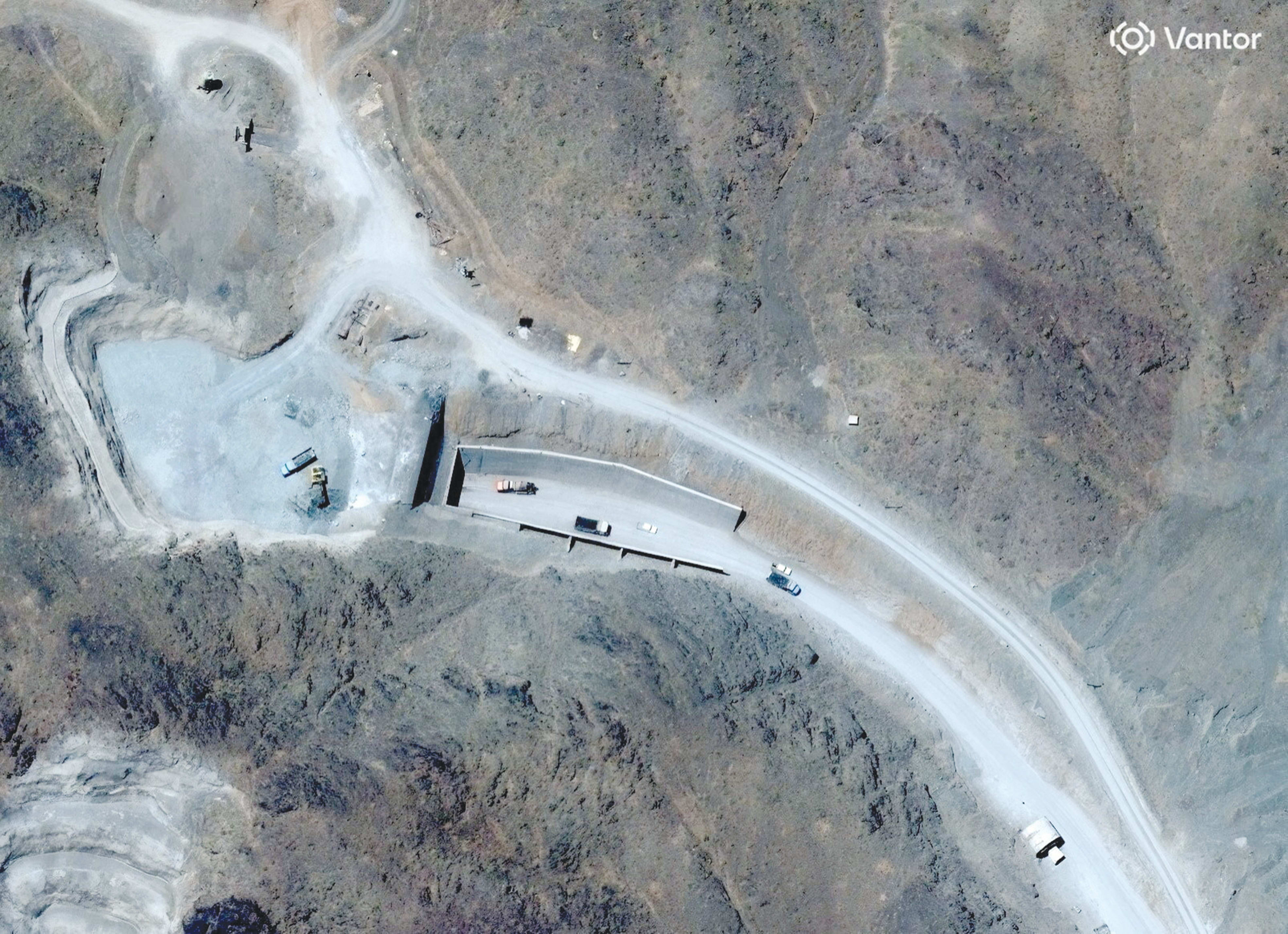
Israel, US have plan ready for third Iran war, Tehran's hidden weapons pose challenges - analysis

REPORTJerusalem Post — Iran News13h ago
Iran has a hidden network of military agencies managing to smuggle hardware past US blockade
REPORTJerusalem Post — Iran News16h ago
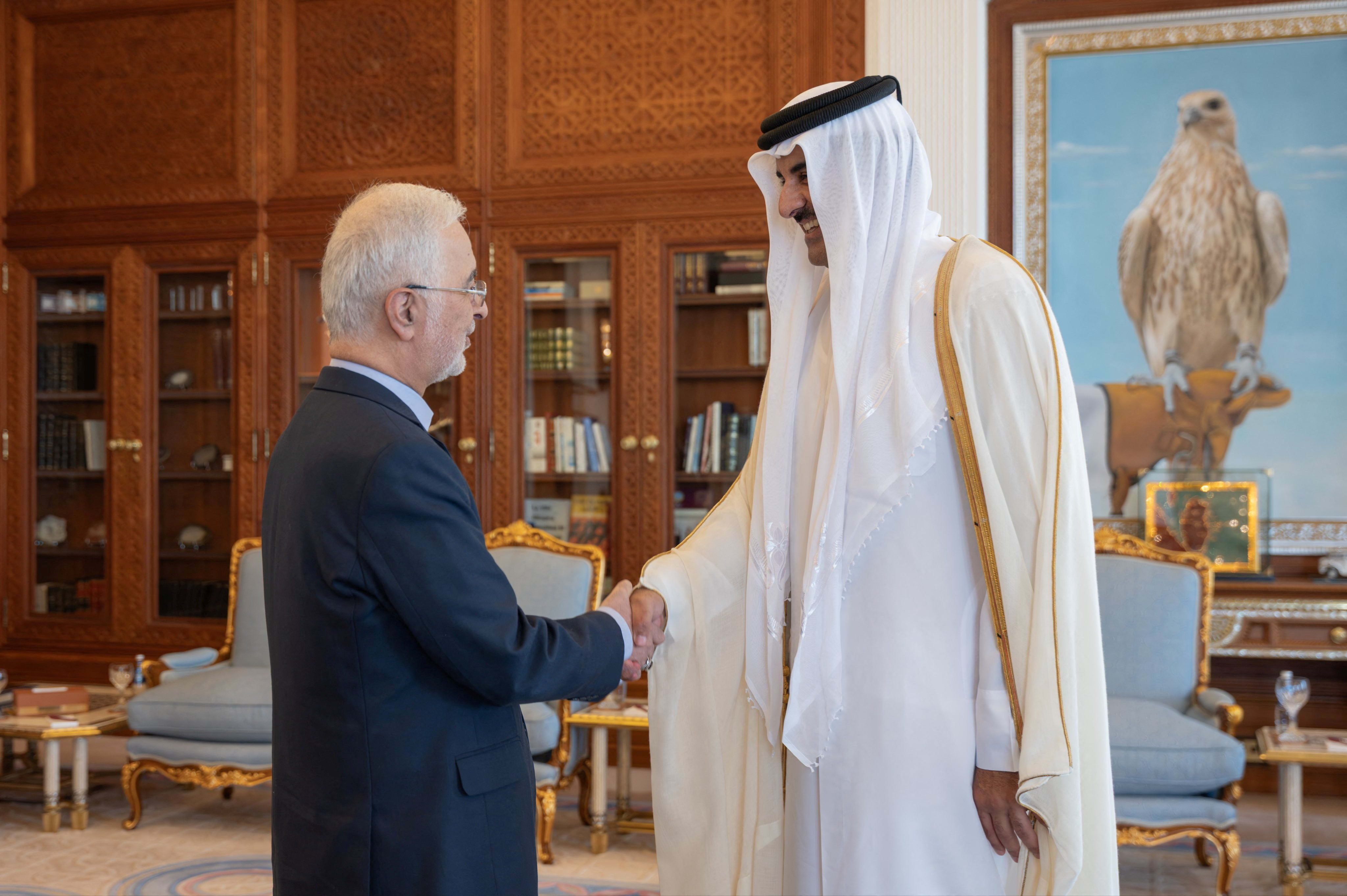
Iranian negotiators in Doha to continue talks to end the US-Iran war, official says

REPORTMiddle East Eye16h ago