BBC Middle East
centerUS strikes Iranian fast boats as Iran attacks UAE oil facility
Full BriefGenerated 1d ago
What Happened
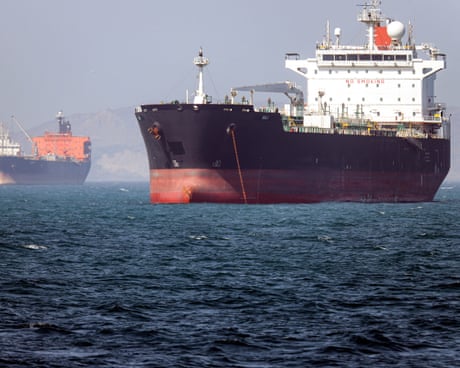
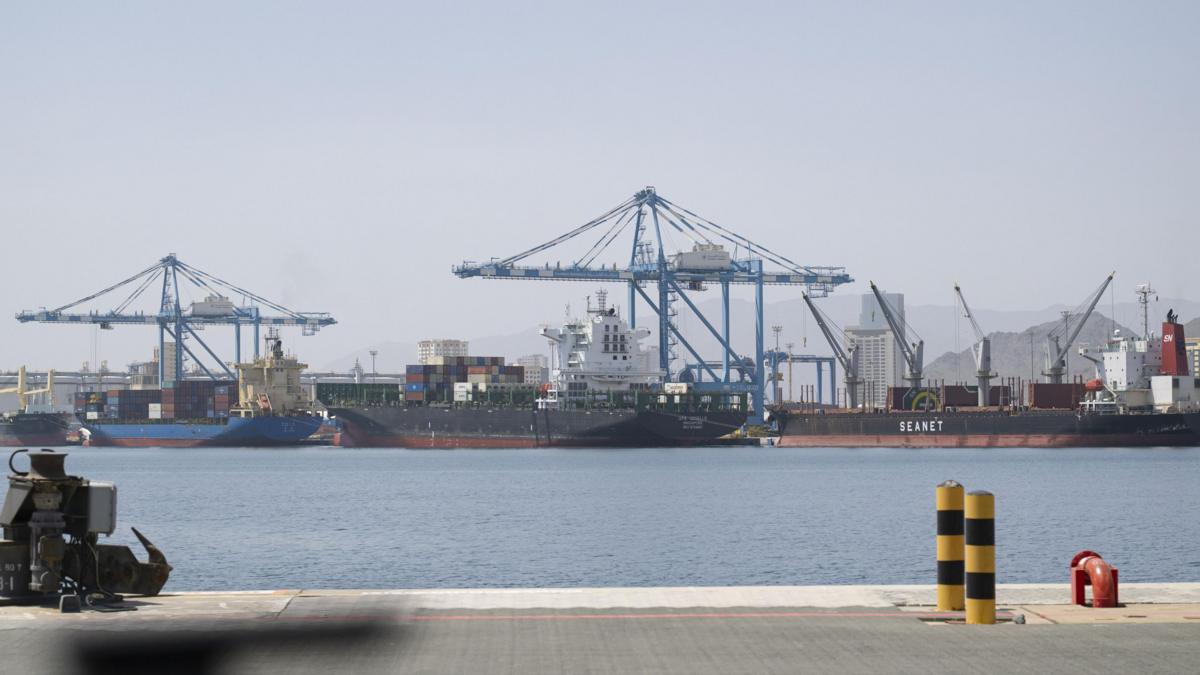
A US-flagged Maersk commercial vessel transited the Strait of Hormuz under US military escort following reported American strikes on Iranian fast boats and an Iranian attack on a UAE oil facility. Maersk confirmed the vessel successfully exited the strait with US military protection, though the company did not provide details on the timing or specific nature of the threats encountered. The incident represents a direct military engagement between US forces and Iranian naval assets in the strategic waterway, which handles approximately one-fifth of global oil traffic. The Iranian attack on UAE infrastructure marks an escalation in Tehran's targeting of Gulf Arab energy assets, though specific details on the facility, damage extent, and casualty figures were not provided in the available reporting.
Key Actors
- ·US Military(United States Armed Forces)Conducted strikes on Iranian fast boats and provided armed escort for the Maersk vessel through the Strait of Hormuz.
- ·Iranian Naval Forces(Islamic Revolutionary Guard Corps Navy (IRGCN) fast boat units)Engaged by US forces in the Strait of Hormuz, presumably while threatening or approaching the commercial vessel.
- ·Iran(Islamic Republic of Iran)Attacked a UAE oil facility in apparent retaliation or escalation amid heightened tensions in the Gulf.
- ·Maersk(Danish shipping and logistics company operating US-flagged vessels)Requested and received US military protection for its commercial vessel transiting the strait.
Why It Matters
The Strait of Hormuz is the world's most critical oil chokepoint, and direct US-Iran military clashes in the waterway risk triggering a broader regional conflict that would disrupt global energy supplies and draw in Gulf Arab states. The Iranian strike on UAE infrastructure demonstrates Tehran's willingness to expand the geographic scope of retaliation beyond maritime harassment to attacks on allied energy infrastructure, raising the stakes for Gulf Cooperation Council members who host US forces and support Washington's maximum pressure campaign. The US decision to provide armed escorts and conduct strikes on Iranian naval assets signals a shift from passive monitoring to active defense of commercial shipping, increasing the likelihood of further kinetic exchanges and potential miscalculation.
Watch For
Monitor whether Iran conducts additional attacks on Gulf Arab energy infrastructure or escalates harassment of commercial shipping in the strait, particularly targeting vessels flagged to US allies. Track US Central Command statements on force posture changes in the Gulf, including deployment of additional naval assets or establishment of formal convoy escort protocols for commercial vessels. Watch for diplomatic responses from UAE and other GCC states, including potential requests for enhanced US security guarantees or activation of collective defense mechanisms. Observe whether Iran's Islamic Revolutionary Guard Corps issues statements framing the incident as retaliation for specific US or Israeli actions, which would indicate calculated escalation rather than tactical opportunism.
Generated 1d ago · Based on full articleAuto-Compiled
This page aggregates and summarizes reporting from BBC Middle East. The Conflict Pulse does not author original reporting. Read the original source for full coverage.
CONFLICT OVERVIEW
Iran
Internal political tensions, regional proxy conflicts, and international standoffs regarding Iran's nuclear program and geopolitical influence.
SOURCE PERSPECTIVES
How outlets across the bias spectrum are covering this conflict.
left
Middle East crisis live: Iran’s top negotiator says US aiming to force Tehran’s ‘surrender’
The Guardian Middle EastTrump tells Iran to accept deal or face new wave of US bombing
The Guardian AsiaLATEST FROM IRAN