The Guardian Middle East
leftBREAKINGMiddle East crisis live: Iran’s top negotiator says US aiming to force Tehran’s ‘surrender’
Live BriefGenerated 8h ago
Story Developing — Brief Reflects Events Through 8h ago
What Happened
US President Donald Trump announced a pause to 'Project Freedom' — a naval operation in the Strait of Hormuz — approximately one day after its launch, stating he hopes to finalize a deal with Iran. Secretary of State Marco Rubio declared the US offensive against Iran 'over,' claiming the operation achieved its objectives. The abrupt reversal follows the initial deployment, with Brent crude oil prices stabilizing around $108 per barrel in the hours after the pause announcement. Iranian Foreign Minister Abbas Araghchi departed for China amid the shifting US posture, though the article does not specify the purpose of his visit or whether it is directly linked to the Hormuz operation.
Key Actors
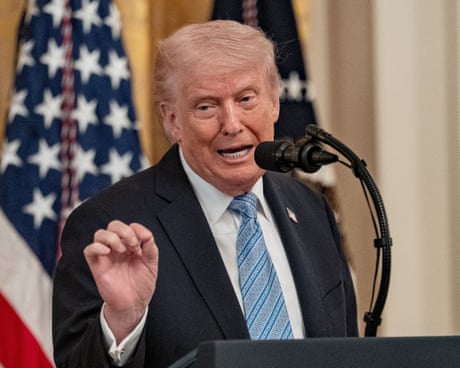
- ·Donald Trump(US President)Ordered a pause to Project Freedom after one day, citing hopes for a diplomatic deal with Iran.
- ·Marco Rubio(US Secretary of State)Declared the US offensive 'over' and stated the operation achieved its objectives.
- ·Abbas Araghchi(Iranian Foreign Minister)Traveled to China following the US pause announcement, though the purpose of the visit is not detailed.
Why It Matters
The Strait of Hormuz is a critical chokepoint for global oil transit, with roughly one-fifth of the world's petroleum passing through it. A US military operation in the strait — even a brief one — signals heightened US-Iran tensions and carries immediate implications for energy markets, as evidenced by Brent crude hovering above $100 per barrel. The rapid pause and Rubio's claim of mission success suggest either a tactical de-escalation or a shift to diplomatic leverage, but the lack of detail on what 'objectives' were met leaves the strategic outcome unclear. Araghchi's trip to Beijing may indicate Iranian efforts to secure diplomatic or economic backing from a key partner as Washington's posture remains fluid.
Watch For
Monitor whether Trump or Rubio clarify what specific objectives were achieved in the one-day operation, and whether any formal negotiations with Iran are announced or scheduled. Track Araghchi's meetings in China for signals of coordinated Iranian-Chinese responses to US pressure, including potential economic or diplomatic countermeasures. Observe oil markets for sustained price movements if the pause is lifted or if Iran responds with its own naval or proxy actions in the Gulf. Any resumption of Project Freedom or new US military deployments to the region would indicate the 'pause' was tactical rather than a genuine shift toward diplomacy.
Generated 8h ago · Based on full articleAuto-Compiled
This page aggregates and summarizes reporting from The Guardian Middle East. The Conflict Pulse does not author original reporting. Read the original source for full coverage.
CONFLICT OVERVIEW
Iran
Internal political tensions, regional proxy conflicts, and international standoffs regarding Iran's nuclear program and geopolitical influence.
SOURCE PERSPECTIVES
How outlets across the bias spectrum are covering this conflict.
left
Trump tells Iran to accept deal or face new wave of US bombing
The Guardian AsiaOil prices fall as Trump says strait of Hormuz ‘open to all’ if Iran accepts deal
The Guardian Middle EastLATEST FROM IRAN