
BBC Middle East
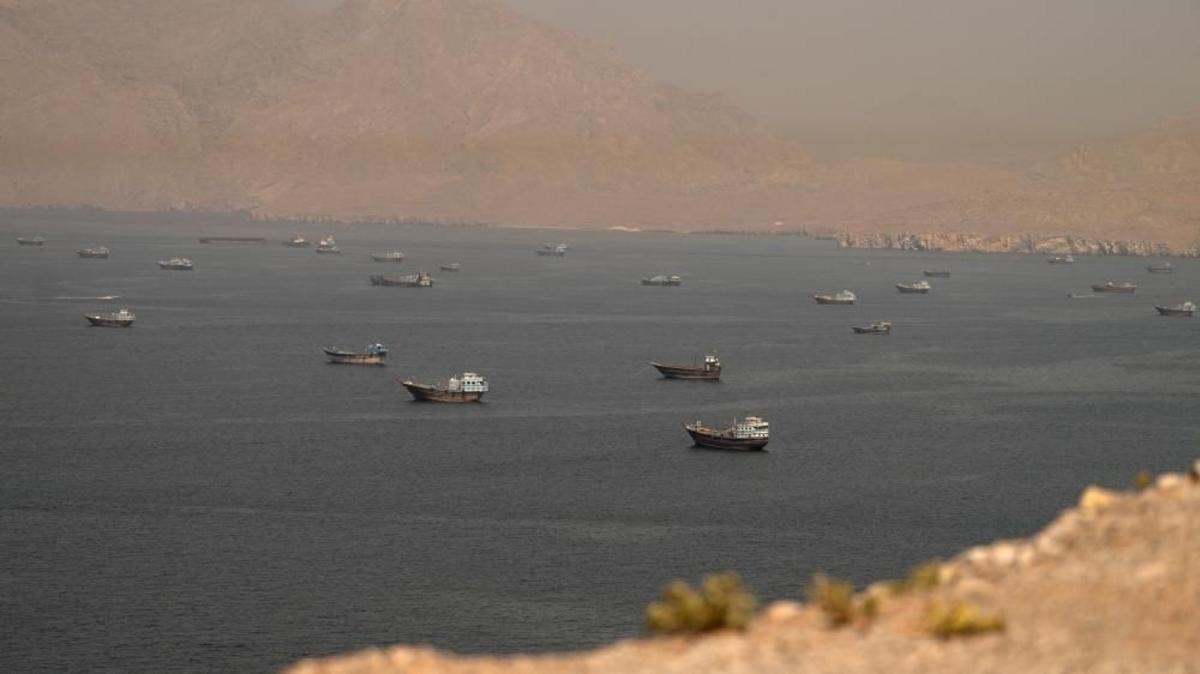
centerREPORTUS and Iran trade strikes after tankers hit in Strait of Hormuz
Full BriefGenerated 90d ago
What Happened
The United States Central Command (Centcom) launched strikes against over 80 targets in Iran, including more than 60 Islamic Revolutionary Guard Corps (IRGC) small boats, missile launch sites, and command centres, following attacks on three oil tankers in the Strait of Hormuz. Iranian state media reported that strikes impacted Qeshm island, Bandar Abbas, and Sirik, resulting in shrapnel injuries. In retaliation, the IRGC claimed it launched missiles and drones at 85 US military facilities in Bahrain and Kuwait, including a US Navy headquarters and an air base. The escalation follows the US Treasury's revocation of an oil sanctions waiver, which Iran's foreign ministry characterized as a breach of a 14-point memorandum of understanding signed last month.
Key Actors
- ·US Central Command (Centcom)(US military combatant command)Stated the strikes were intended to impose costs for attacks on commercial shipping in international waters.
- ·Islamic Revolutionary Guard Corps (IRGC)(Iranian military branch)Claimed responsibility for retaliatory strikes against US military facilities in Bahrain and Kuwait.
- ·Iranian Foreign Ministry(Government diplomatic body)Denounced US actions as a violation of the recent memorandum of understanding and a display of bad faith.
Why It Matters
The exchange marks a significant collapse of the 14-point memorandum of understanding intended to establish a ceasefire and define maritime administration in the Strait of Hormuz. The direct targeting of US military facilities in Bahrain and Kuwait by the IRGC represents a major expansion of the conflict, threatening the stability of critical global energy transit routes and the security of US regional allies.
Watch For
Monitor for further kinetic exchanges between the IRGC and US forces in the Gulf, as well as any official statements regarding the status of the 14-point memorandum. Additionally, observe the impact of the revoked oil sanctions waiver on global energy markets and the potential for increased maritime security measures by the UKMTO and regional states.
Generated 90d ago · Based on full articleAuto-Compiled
DAILY BRIEFING
Follow Iran
Get a daily briefing with the most critical developments from every active conflict zone. Concise. Verified. Free.
No spam. Unsubscribe anytime. Verified sources only.
This page aggregates and summarizes reporting from BBC Middle East. The Conflict Pulse does not author original reporting. Read the original source for full coverage.
CONFLICT OVERVIEW
Iran
Latest verified updates on Iran’s regional confrontation, U.S.–Israeli strikes, missile retaliation, proxy networks, sanctions, and Strait of Hormuz risks.
MORE REPORTING ON THIS REGION
Recent reporting from this region. These stories may cover different events.
left
The U.S. Military Struggles to Protect Its Bases Amid Failing Iran War
The Intercept‘A return to prison is always looming’: Iran’s Nobel laureate recounts torture in jail and hopes for the future
The Guardian Middle EastLATEST FROM IRAN

REPORTAl Jazeera13h ago
What new measures is Iran taking to counter US economic pressure?

REPORTMiddle East Eye13h ago
California leaders condemn Trump’s remarks about possible attacks on US cities

REPORTAl Jazeera13h ago
Hormuz ship attacks surge: Are increased oil exports sustainable?

REPORTMiddle East Eye20h ago
US and several allies say Iran committed 'terrorist actions'

REPORTAl Jazeera21h ago
Southeast Asia’s energy chiefs meet against backdrop of Iran war
REPORTMiddle East Eye21h ago