
The Guardian Asia
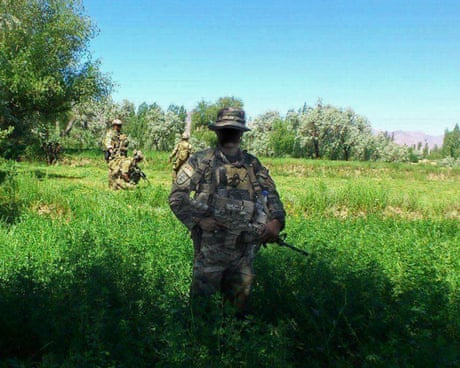
leftREPORTAbbas fought the Taliban alongside US and Australian troops. Now exiled in Iran, he feels abandoned
Full BriefGenerated 55d ago
What Happened
An Afghan former special forces soldier, identified only by the pseudonym Abbas, told the Guardian that he served 12 years in the Afghan National Army, including alongside Australian troops on two helicopter-borne missions in Khas Uruzgan district in late 2011, and was wounded by two gunshots in Laghman district before being evacuated by US helicopter to Bagram hospital. Abbas said he fled to Iran after Kabul fell to the Taliban, destroying most documents for fear of Taliban reprisal. In Iran, he said he has no legal status, faces exploitation by landlords, takes dangerous illegal work, and still receives threats from Taliban groups; he also said US bombing of Tehran forced his family to flee to the countryside.
Key Actors
- ·Abbas(Former Afghan National Army special forces soldier, identified only by pseudonym)Says he fought alongside US, Australian, British, German and French forces, was wounded in Laghman district, and now lives in exile in Iran fearing Taliban retribution and deportation.
- ·Taliban(Ruling authority in Afghanistan)Accused of using abandoned US biometric databases to hunt former Afghan soldiers and of threatening Abbas even in Iran.
- ·United States(Former coalition partner in Afghanistan; current administration under President Donald Trump)Trump signed an executive order halting all Afghan refugee resettlement, leaving more than 1,000 former interpreters and soldiers stranded in a US-run camp in Qatar and hundreds of thousands more vetted applicants in limbo.
- ·Iran(Host country for Abbas and other Afghan refugees)Abbas says life there is precarious with no legal rights, and he fears deportation to Afghanistan; he says US bombing of Tehran forced his family to flee to mountainous countryside.
Why It Matters
The story illustrates the strategic and humanitarian fallout of the US withdrawal: Afghan allies who fought with Western forces are now hunted by the Taliban and blocked from resettlement, while Iran—itself facing US strikes—hosts vulnerable ex-servicemen with no legal protection. It undercuts US credibility with local partners and adds pressure on regional states where Afghan ex-security personnel may be deported into Taliban-controlled Afghanistan.
Watch For
Monitor whether the Trump administration resumes or further extends the Afghan resettlement halt; whether the Qatar camp population is moved or returned; any Iranian deportation actions against Afghan former soldiers; Taliban cross-border targeting inside Iran; and changes in US-Iran hostilities affecting Afghan refugee communities in Iran.
Generated 55d ago · Based on full articleAuto-Compiled
DAILY BRIEFING
Follow Iran
Get a daily briefing with the most critical developments from every active conflict zone. Concise. Verified. Free.
No spam. Unsubscribe anytime. Verified sources only.
This page aggregates and summarizes reporting from The Guardian Asia. The Conflict Pulse does not author original reporting. Read the original source for full coverage.
CONFLICT OVERVIEW
Iran
Latest verified updates on Iran’s regional confrontation, U.S.–Israeli strikes, missile retaliation, proxy networks, sanctions, and Strait of Hormuz risks.
MORE REPORTING ON THIS REGION
Recent reporting from this region. These stories may cover different events.
LATEST FROM IRAN

DEVELOPINGBBC Middle East6h ago
Three Saudi nationals killed in Houthi attacks on Riyadh airport

DEVELOPINGMiddle East Eye10h ago
Morning update

DEVELOPINGAl Jazeera10h ago
Trump says US will not strike Iran before midterm elections
DEVELOPINGMiddle East Eye10h ago
Iranian lawmaker says Tehran not seeking production of nuclear weapons
REPORTMiddle East Eye12h ago
IRGC Navy official says violating vessels in Hormuz Strait 'punished every night'

REPORTMiddle East Eye13h ago