
The Guardian Europe
leftREPORTUK defence funding crisis has been a long time coming
Full BriefGenerated 75d ago
What Happened
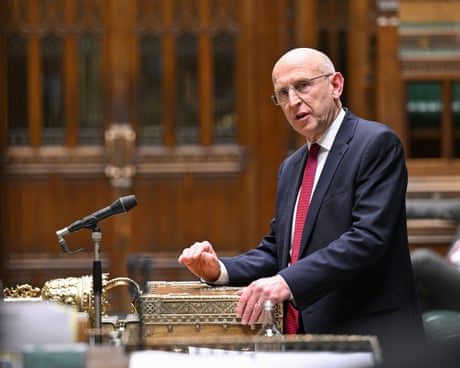
UK Defence Secretary John Healey resigned on Thursday after Prime Minister Keir Starmer offered an additional £2 billion (0.08% of GDP) for defence by 2030, which Healey deemed 'well short of what is required'. The row centred on the defence investment plan (Dip), covering projects such as the £41 billion Dreadnought nuclear submarine replacement, drone programmes, and the Aukus nuclear-powered submarine partnership with Australia and the US. The funding gap, originally £28 billion and later reduced to £18 billion, saw the Treasury only willing to provide £13.5 billion, with no political appetite for tax increases or spending shifts. Healey refused to release the Dip on Thursday, and a planned press event with Australia's deputy prime minister on Aukus was cancelled. The resignation comes less than a month before a Nato summit in Ankara and ahead of a visit by Japan's prime minister Sanae Takaichi, both contexts in which UK defence commitments are critical.
Key Actors
- ·John Healey(Former UK Defence Secretary)Resigned in protest over insufficient defence funding, arguing it breaches Nato spending commitments and undermines key projects.
- ·Keir Starmer(UK Prime Minister)Offered an extra £2bn to the MoD but refused to set a target date for reaching 3% GDP spending, contrary to earlier Nato pledges.
- ·Nato(Military alliance)Summit in Ankara is approaching; UK's inability to meet spending targets risks undermining alliance cohesion and the UK's role in potential Iran-related missions.
Why It Matters
The crisis exposes deep deficiencies in UK defence funding, jeopardising flagship programmes like Aukus and the ability to contribute meaningfully to multinational operations, including a proposed UK–France-led force to secure the Strait of Hormuz if an Iran war concludes. It calls into question the UK's reliability as a Nato ally just as Donald Trump threatens renewed bombing of Iran, and as European allies seek a united front on Ukraine and the Middle East.
Watch For
The Nato summit in Ankara in less than a month, where Starmer must address allies' concerns. The upcoming visit by Japan's PM on Sunday, where reassurance on the GCap next-generation fighter programme will be necessary. Any Treasury–MoD negotiations on bridging the remaining funding gap, and signals from Australia on the viability of Aukus timelines.
Generated 75d ago · Based on full articleAuto-Compiled
This page aggregates and summarizes reporting from The Guardian Europe. The Conflict Pulse does not author original reporting. Read the original source for full coverage.
CONFLICT OVERVIEW
Iran
Latest verified updates on Iran’s regional confrontation, U.S.–Israeli strikes, missile retaliation, proxy networks, sanctions, and Strait of Hormuz risks.
SOURCE PERSPECTIVES
How outlets across the bias spectrum are covering this conflict.
LATEST FROM IRAN

REPORTMiddle East Eye11d ago
Iran formalises Strait of Hormuz control as US struggles to sustain war it launched with Israel

REPORTAl Jazeera11d ago
US threatens ‘indefinite’ blockade against Iran: How long can it last?

REPORTMiddle East Eye11d ago
Morning update
REPORTMiddle East Eye12d ago
Vance says US will end up 'in a stronger position' than Iran

REPORTJerusalem Post — Iran News12d ago
US Treasury Secretary Bessent says US to apply measures 'never seen before' on Iran

REPORTAl Jazeera12d ago