The Guardian Middle East
leftDEVELOPINGTrump warns of return to ‘strong military action’ if Iran diplomacy fails
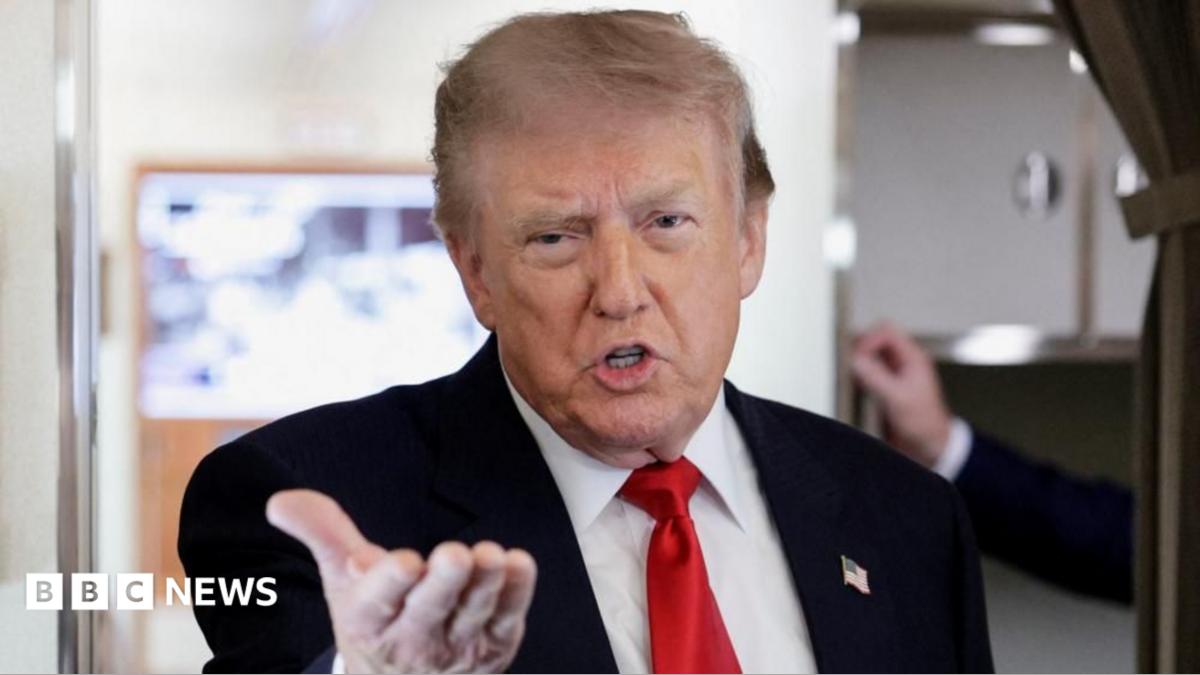
Washington and Tehran issue conflicting messages over the status of talks to end Middle East crisisDonald Trump has once again warned that the US will return to “strong military action” against Iran if diplomatic efforts do not bring a rapid resolution to the crisis in the Middle East. “We are in very deep talks with Iran.
Full BriefGenerated 59m ago
What Happened
On Monday, US President Donald Trump warned that the US would return to ‘very strong military action’ against Iran if diplomatic talks fail, stating the negotiations must move ‘fast or not at all’. He claimed Iran requested the meeting due to prior military pressure. Hours earlier, Iranian Foreign Ministry spokesperson Esmaeil Baqaei denied any direct negotiations with the US, saying mediators may convey messages but no formal talks are ongoing. The exchange occurred alongside technical talks in Tehran between Iran and Oman on the management of the Strait of Hormuz, where the two sides reportedly neared an agreement on a transit fee model inspired by the Malacca Strait’s voluntary contribution system. Perceived progress in these talks is understood to have influenced a US decision to pause airstrikes after nearly two weeks, with US Central Command chief Adm Brad Cooper reportedly recommending the halt because the bombing campaign had reached its limit of effectiveness. Iran claims it turned back six vessels that attempted a southern-route passage on Sunday, firing on one; the UN Office for Project Services reported daily transits through the strait have collapsed from nearly 130 to approximately five ships over the past week.
Key Actors
- ·Donald Trump(US President)Warned of imminent ‘strong military action’ if diplomacy fails, asserting Iran requested talks due to prior US strikes.
- ·Esmaeil Baqaei(Iranian Foreign Ministry spokesperson)Denied direct US-Iran negotiations, framing Oman talks as separate and focused on safe shipping and sovereign rights.
- ·Oman(Mediating state)Hosted technical talks proposing a Malacca-style voluntary fee model to resolve the Strait of Hormuz standoff and avert further conflict.
- ·Adm Brad Cooper(Commander of US Central Command)Reportedly recommended pausing the bombing campaign around the strait, citing limited military effectiveness.
Why It Matters
The standoff over the Strait of Hormuz, through which a significant share of global oil transits, has escalated into a direct US-Iran military confrontation. Trump’s ultimatum signals a narrow diplomatic window, while the Oman-mediated technical talks represent a potential off-ramp if a law-of-the-sea-compliant fee system can be agreed. Failure risks renewed strikes, further disruption to shipping, and broader economic fallout, with US bases in the region already vulnerable to Iranian reprisals.
Watch For
Whether Washington resumes military action as its patience runs out; the outcome of continuing Oman-Iran talks, including any draft agreement on strait fees; Iran’s enforcement actions against vessels attempting the southern route; and compliance with the proposed Malacca model should it gain international endorsement.
Generated 59m ago · Based on full articleAuto-Compiled
This page aggregates and summarizes reporting from The Guardian Middle East. The Conflict Pulse does not author original reporting. Read the original source for full coverage.
CONFLICT OVERVIEW
Iran
Latest verified updates on Iran’s regional confrontation, U.S.–Israeli strikes, missile retaliation, proxy networks, sanctions, and Strait of Hormuz risks.
SOURCE PERSPECTIVES
How outlets across the bias spectrum are covering this conflict.
LATEST FROM IRAN