Jerusalem Post — Iran News
rightTrump torn on Iran war plan after attacks on US ships in Strait of Hormuz - WSJ

Full BriefGenerated 1d ago
What Happened
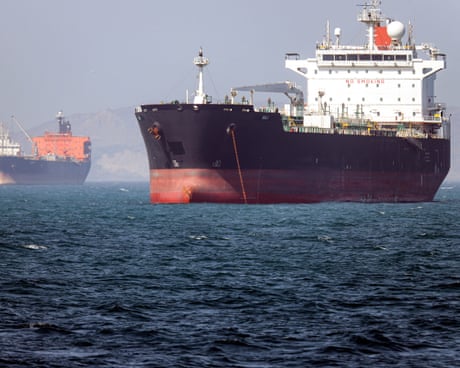
US President Donald Trump is reportedly divided on how to respond to recent Iranian attacks on US naval vessels in the Strait of Hormuz, according to unnamed US officials cited by the Wall Street Journal. The officials stated that Trump favors pursuing negotiations with Iran to address its nuclear program rather than launching military strikes. The article does not specify the number of vessels attacked, the exact dates of the incidents, or the extent of damage sustained, nor does it detail what form of attacks occurred or which Iranian forces were responsible.
Key Actors
- ·Donald Trump(President of the United States)Reportedly prefers diplomatic negotiations with Iran over military action to address nuclear ambitions, despite recent attacks on US ships.
- ·Iran(Islamic Republic of Iran)Accused of conducting attacks on US naval vessels in the Strait of Hormuz; subject of US concerns over nuclear program.
- ·US officials (unnamed)(Unspecified US government officials)Provided information to the Wall Street Journal characterizing Trump's preference for negotiation over military escalation.
Why It Matters
The Strait of Hormuz is a critical chokepoint through which approximately one-fifth of global oil supply transits, making any military confrontation there a potential trigger for energy market disruption and broader regional conflict. Trump's reported preference for diplomacy over strikes signals a potential shift from the maximum pressure campaign that has defined US-Iran relations since the US withdrew from the Joint Comprehensive Plan of Action (JCPOA) in 2018, though the lack of detail on the attacks themselves leaves the severity of the provocation unclear. Any decision to either negotiate or retaliate will shape the trajectory of US-Iran tensions, influence Gulf Arab allies' security calculations, and determine whether the current cycle of tit-for-tat incidents escalates into sustained military confrontation.
Watch For
Monitor for official US statements clarifying the nature, scale, and attribution of the Strait of Hormuz incidents, as well as any formal Iranian response or denial. Watch for signals of renewed diplomatic outreach from either Washington or Tehran, including potential intermediary roles by Oman, Qatar, or European signatories to the JCPOA. Track US military posture changes in the Gulf, including carrier strike group movements or additional deployments to US Central Command's area of responsibility, which would indicate preparation for escalation despite reported White House preferences. Any Iranian nuclear program developments—such as uranium enrichment levels reported by the IAEA or announcements of new centrifuge installations—will directly influence the viability of Trump's stated negotiation strategy.
Generated 1d ago · Based on initial reportAuto-Compiled
This page aggregates and summarizes reporting from Jerusalem Post — Iran News. The Conflict Pulse does not author original reporting. Read the original source for full coverage.
CONFLICT OVERVIEW
Iran
Internal political tensions, regional proxy conflicts, and international standoffs regarding Iran's nuclear program and geopolitical influence.
SOURCE PERSPECTIVES
How outlets across the bias spectrum are covering this conflict.
left
Middle East crisis live: Iran’s top negotiator says US aiming to force Tehran’s ‘surrender’
The Guardian Middle EastTrump tells Iran to accept deal or face new wave of US bombing
The Guardian AsiaLATEST FROM IRAN