BBC US & Canada
centerDEVELOPINGTrump threatens more strikes on Iran as Tehran warns of 'fearless' response
Full BriefGenerated 1h ago
What Happened
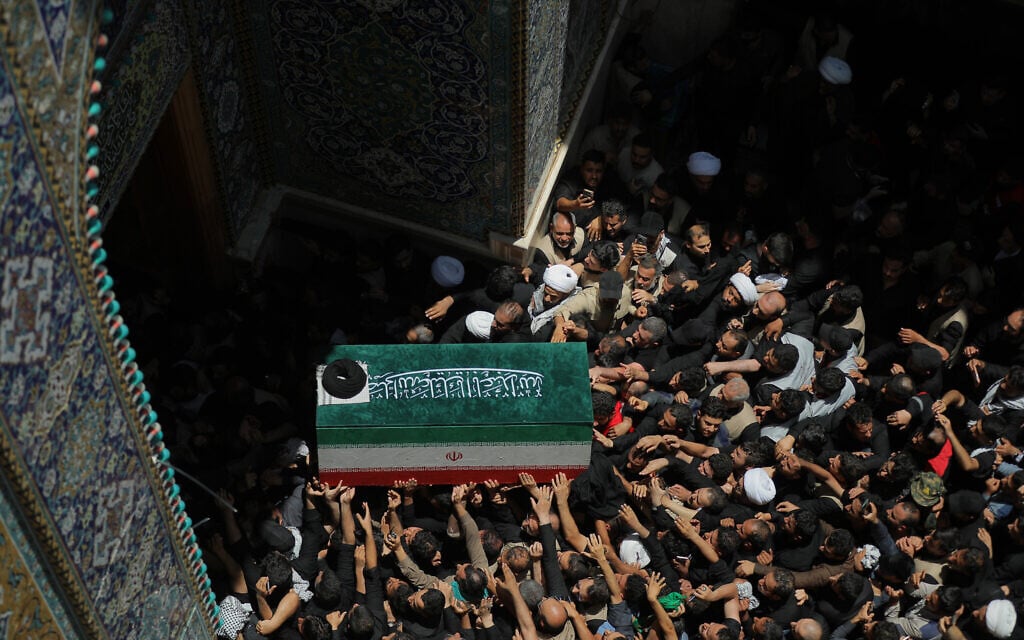
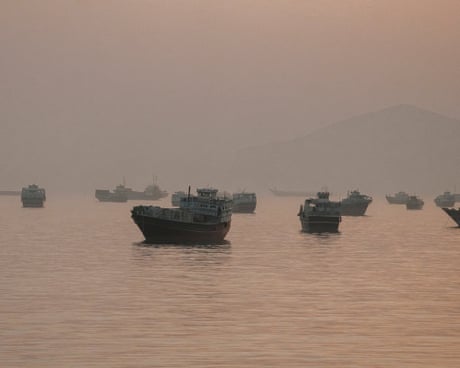
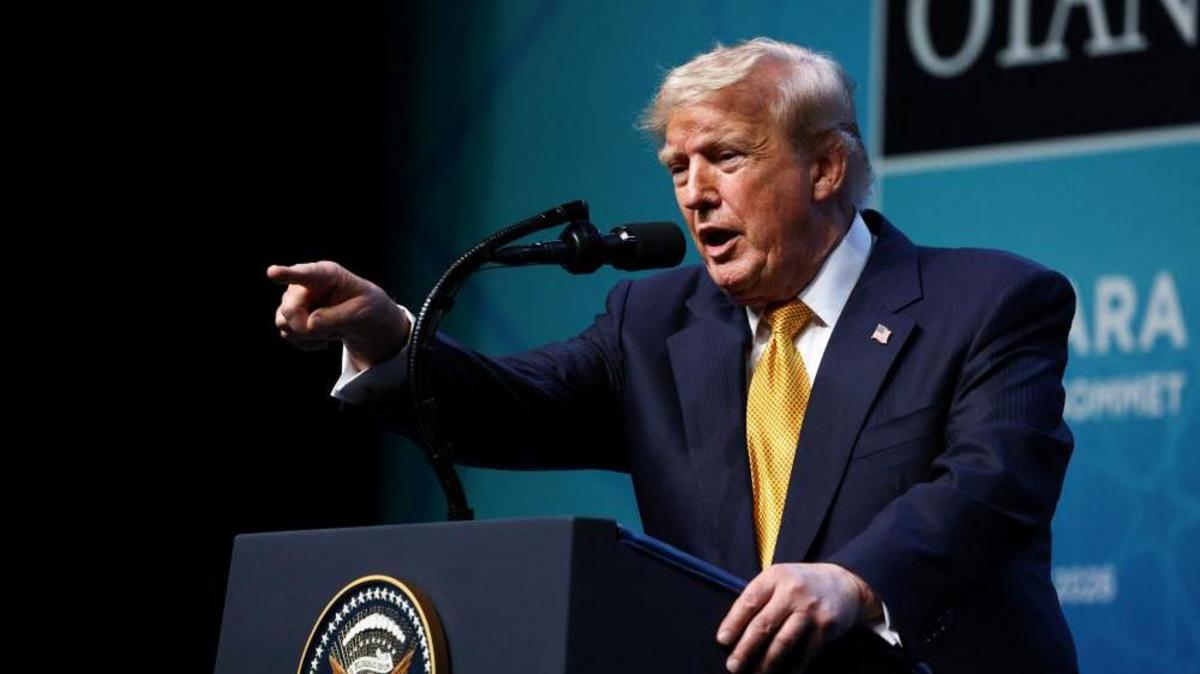
On Tuesday night into Wednesday, the US and Iran engaged in the worst exchange of strikes since a 14-point memorandum of understanding (MoU) was signed on 17 June. US Central Command (Centcom) said it launched 'powerful' strikes in response to attacks on three tankers in the Strait of Hormuz; Iranian state media claimed eight members of the country's army were killed at Bandar Abbas and Bushehr. Iran retaliated by targeting US military sites in Bahrain and Kuwait, according to its own statements. President Donald Trump, speaking at a Nato summit in Turkey, declared the ceasefire agreement 'over', called Iranian leaders 'scum' and 'cuckoo', and threatened more strikes. Iran's Foreign Minister Abbas Araghchi vowed a 'fearless' response, while senior adviser Ali Akbar Velayati warned of 'immediate' retaliation. The US also revoked its temporary suspension of sanctions on Iranian oil sales. Negotiations for a permanent end to the war had been paused following the death of Supreme Leader Ayatollah Ali Khamenei in earlier US-Israel strikes, with his burial set for Thursday in Mashhad.
Key Actors
- ·Donald Trump(US President)Declared the 17 June MoU 'over', threatened additional strikes, and ruled out further direct negotiations as a 'waste of time'.
- ·Abbas Araghchi(Iranian Foreign Minister)Warned that Iran would respond 'fearlessly and with great valour' to US strikes, via a post on X.
- ·US Central Command (Centcom)(US military command responsible for Middle East operations)Conducted strikes in southern Iran in retaliation for tanker attacks and maintains over 20 warships patrolling regional waters.
- ·Mohammad Bagher Ghalibaf(Speaker of Iran's parliament and chief nuclear negotiator)Accused the US of breaching the MoU on sanctions and military strikes, declaring that 'the era of bullying and extortion is over.'
Why It Matters
The breakdown of the ceasefire threatens a direct US-Iran military escalation that could destabilise the Strait of Hormuz, disrupt global oil supplies, and widen the regional conflict. Trump's dismissal of diplomacy, combined with Iran's defiant rhetoric and the suspension of talks after Khamenei's death, sharply narrows the path to de-escalation and could fracture the fragile consensus within the Axis of Resistance and among Western allies.
Watch For
Immediate focus on whether the US follows through with Trump's threat of further strikes, and Iran's 'immediate response' as promised by Velayati. The burial of Khamenei on Thursday may temporarily pause hostilities but could also trigger a calibrated retaliation. Centcom's naval posture in the Strait of Hormuz and any new tanker incidents will be critical. Diplomatically, note whether special envoy Steve Witkoff or Jared Kushner resume backchannel talks despite Trump's dismissal, and monitor Nato and GCC reactions to the sanctions snapback and oil price volatility.
Generated 1h ago · Based on full articleAuto-Compiled
This page aggregates and summarizes reporting from BBC US & Canada. The Conflict Pulse does not author original reporting. Read the original source for full coverage.
CONFLICT OVERVIEW
Iran
Latest verified updates on Iran’s regional confrontation, U.S.–Israeli strikes, missile retaliation, proxy networks, sanctions, and Strait of Hormuz risks.
SOURCE PERSPECTIVES
How outlets across the bias spectrum are covering this conflict.
left
Atmosphere in Iran remains highly charged after Ayatollah’s funeral and escalation of grievances with US
The Guardian Middle EastSabre-rattling to ‘tremendous love’: erratic Trump dominates final hours of Nato summit
The Guardian Middle EastLATEST FROM IRAN