
BBC Middle East
centerREPORTThree reasons ships are not going through the Strait of Hormuz yet
Full BriefGenerated 70d ago
What Happened
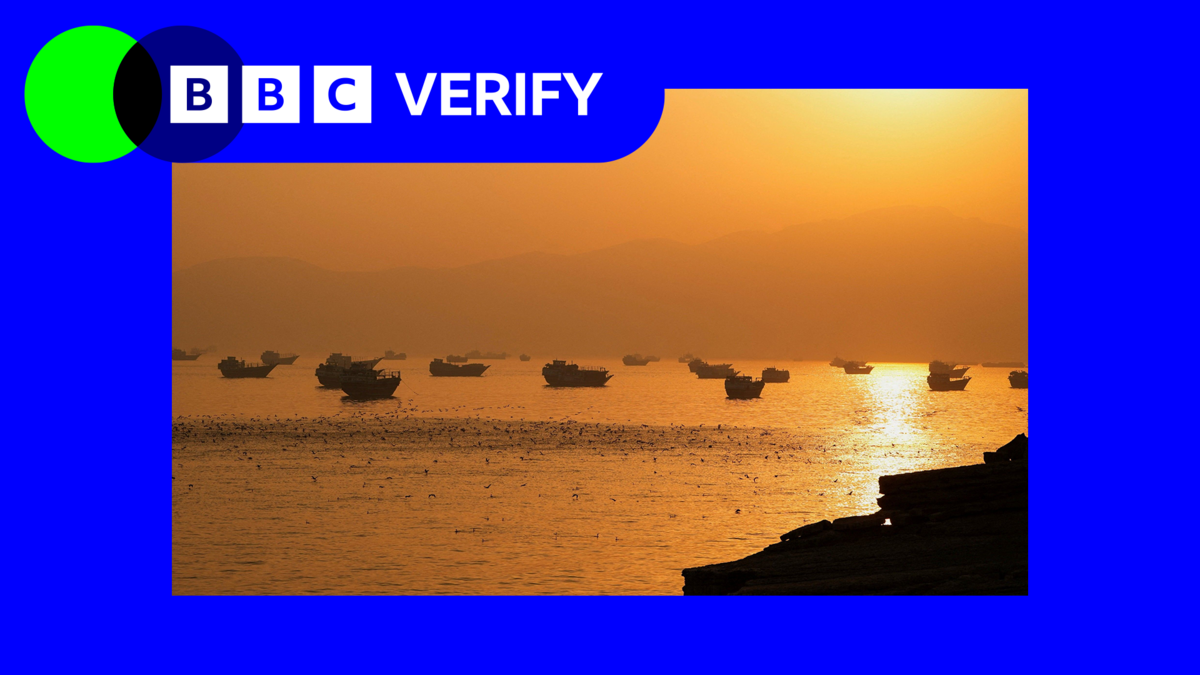
Despite President Trump's Sunday announcement of a deal with Iran and the declared reopening of the Strait of Hormuz, BBC Verify analysis of MarineTraffic data shows only seven vessels have transited the waterway since the deal, while approximately 580 ships wait in the Gulf. The strait has been effectively closed since late February after US and Israeli strikes, with Iran firing on ships attempting passage without permission and the US maintaining a naval blockade (announced removal pending deal signature). Three main obstacles block resumption: (1) security risks from Iran's earlier attacks and the US blockade's uncertain status, causing a 'wait-and-see' approach among captains and insurers; (2) extensive sea mines, which Iran threatened to deploy and US Secretary of State Rubio confirmed were placed, requiring a slow clearance operation estimated at 30 days to six months; (3) unresolved questions over potential transit fees, as historical free passage is now uncertain given neither Iran nor the US are parties to UNCLOS.
Key Actors
- ·US(Counterparty in deal, naval blockade enforcer)President Trump announced the deal and removal of the blockade, but the blockade remains until formal signing; US warships remain near the Gulf of Oman.
- ·Iran(Blockading state)Effectively closed the strait, fired on ships, and placed sea mines; demands permission for vessels to transit.
- ·United Kingdom(Mine-clearing contributor)Prime Minister Sir Keir Starmer pledged to play a 'full part' in reopening the strait; deployed naval support ship RFA Lyme Bay with mine-hunting kit.
Why It Matters
The Strait of Hormuz is a critical chokepoint for roughly one-fifth of global oil and gas flows. Prolonged closure disrupts energy markets and global supply chains, while the slow resumption of traffic despite a diplomatic deal highlights deep security and practical obstacles that could destabilize regional trade and diplomacy.
Watch For
Monitor ship-tracking data for the first wave of tankers departing the Gulf; initiation and progress of UK- and French-led mine-clearing operations, including the width and safety of the cleared channel; the formal signing of the US-Iran deal and the actual lifting of the US naval blockade; any further attacks or mine incidents; and statements from maritime insurers on risk reassessments.
Generated 70d ago · Based on full articleAuto-Compiled
This page aggregates and summarizes reporting from BBC Middle East. The Conflict Pulse does not author original reporting. Read the original source for full coverage.
CONFLICT OVERVIEW
Iran
Latest verified updates on Iran’s regional confrontation, U.S.–Israeli strikes, missile retaliation, proxy networks, sanctions, and Strait of Hormuz risks.
SOURCE PERSPECTIVES
How outlets across the bias spectrum are covering this conflict.
LATEST FROM IRAN

REPORTMiddle East Eye11d ago
Iran formalises Strait of Hormuz control as US struggles to sustain war it launched with Israel

REPORTAl Jazeera11d ago
US threatens ‘indefinite’ blockade against Iran: How long can it last?

REPORTMiddle East Eye12d ago
Morning update
REPORTMiddle East Eye12d ago
Vance says US will end up 'in a stronger position' than Iran

REPORTJerusalem Post — Iran News12d ago
US Treasury Secretary Bessent says US to apply measures 'never seen before' on Iran

REPORTAl Jazeera12d ago