Al Jazeera
centerREPORTThe US-Iran MoU looks at managing the pain rather than ending the war

Full BriefGenerated 28d ago
What Happened
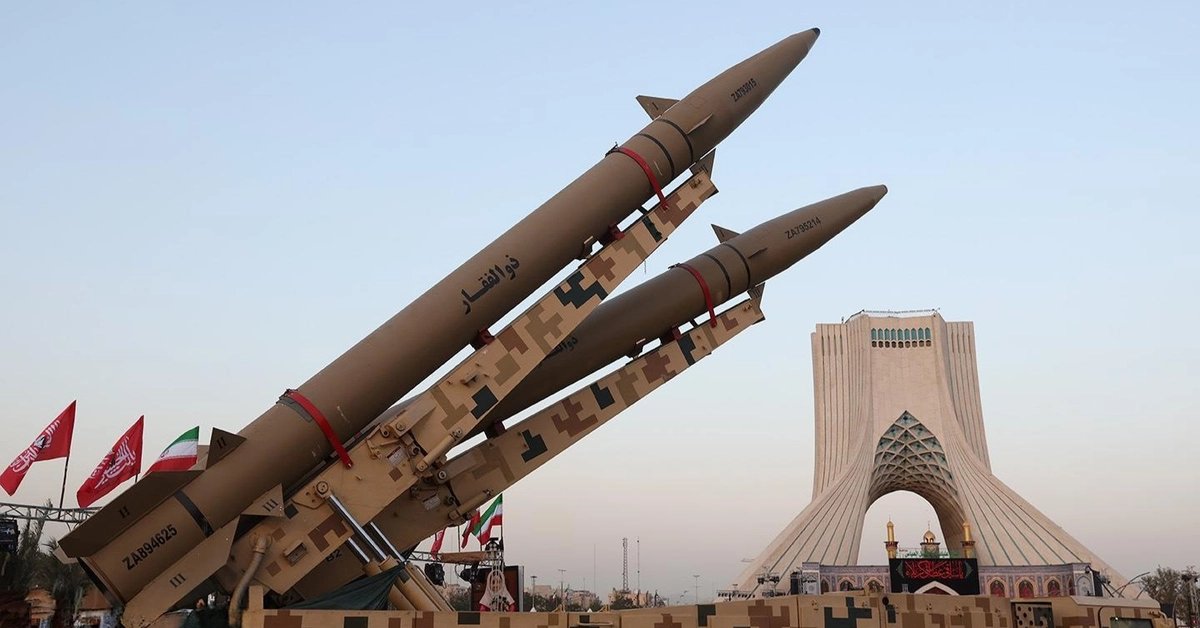
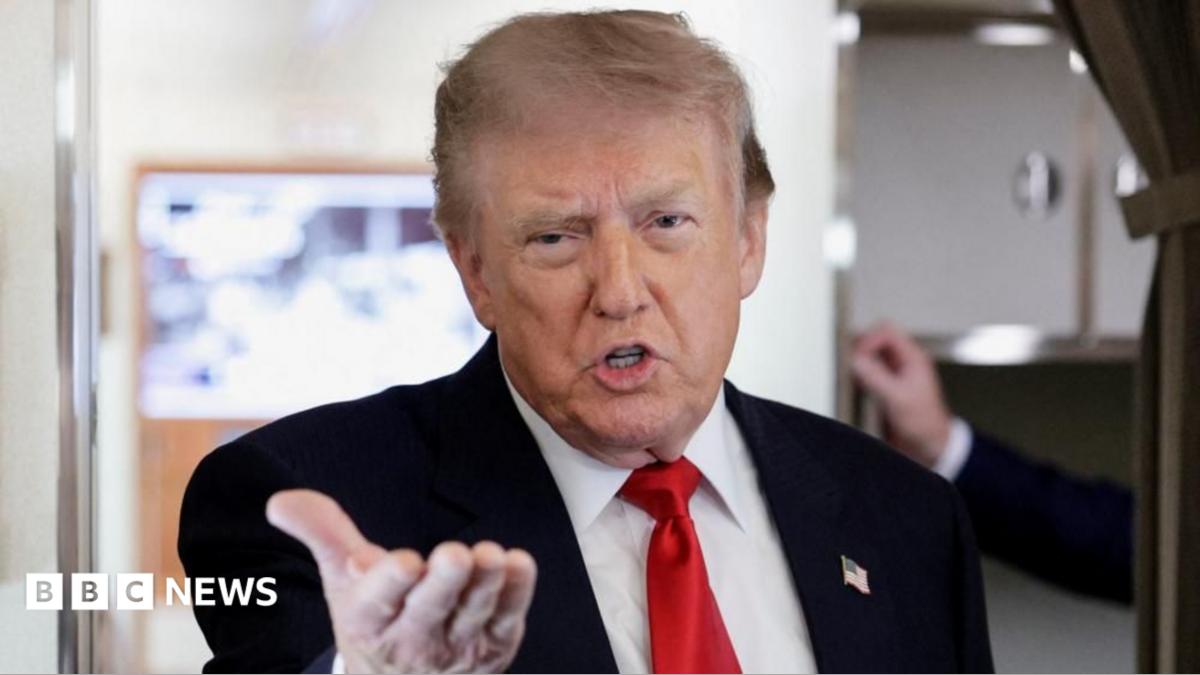
On June 17, US President Donald Trump and Iranian Parliament Speaker Mohammad Bagher Ghalibaf signed a 14-point memorandum of understanding (MoU) in a ceremony mediated by Pakistan and Qatar, pausing a 109-day war that began on February 28. The agreement lifts the US naval blockade on Iran in exchange for Tehran reopening the Strait of Hormuz, which had been closed during the conflict. Despite the MoU, sporadic violence continues, with clashes reported on Friday and Saturday, and the two sides have exchanged limited strikes this week: the US targeted southern Iranian ports while Iran struck Kuwait and Bahrain. The war featured approximately 7,200 missiles fired, with nearly 80 percent aimed at civilian infrastructure, according to analyst Khalid al-Jaber. Analysts described the MoU as an 'agreement of the compelled' rooted in mutual pain rather than trust-building. Unlike the Gaza and Lebanon ceasefires, this state-to-state pact benefits from clear chains of command and direct negotiation, but remains fragile as both sides enter a 60-day window to forge a permanent settlement.
Key Actors
- ·United States(Party to the MoU, under President Donald Trump)Lifted the naval blockade; seeks to translate military pressure into a durable diplomatic outcome while managing domestic political constraints and global economic fallout.
- ·Iran(Party to the MoU, represented by Parliament Speaker Mohammad Bagher Ghalibaf)Reopened the Strait of Hormuz; leverages economic warfare and military strikes to force US concessions, with the IRGC hardline establishment shaping a less polished but potentially more sustainable agreement.
- ·Pakistan(Mediator)Heavily involved in brokering the MoU to stabilise global energy markets and regional security.
- ·Qatar(Mediator)Heavily involved in brokering the MoU, leveraging its diplomatic channels to de-escalate the conflict.
Why It Matters
The US–Iran MoU is a rare state-to-state de-escalation mechanism in a region dominated by often-violated ceasefires with non-state actors. Its durability hinges on the mutual economic pain both sides face from renewed hostilities—particularly disruption of Strait of Hormuz transit and global energy shocks—giving each a stronger incentive to sustain diplomacy than in past agreements. The pact reflects a power shift from reformist-led deals (like the 2015 JCPOA) to bargains between hardline security establishments, potentially making it more resilient to domestic opposition but also more brittle in the face of ongoing skirmishes. The 60-day negotiation window will test whether the MoU can evolve into a permanent settlement or collapse back into open conflict, with direct implications for Gulf security and the global economy.
Watch For
The 60-day permanent settlement negotiations between the US and Iran; any escalation in tit-for-tat strikes, especially around the Strait of Hormuz or against allied Gulf states; domestic political developments in Washington and Tehran that could empower spoilers; the role of mediators Pakistan and Qatar in maintaining compliance; IAEA or other verification involvement if nuclear dimensions emerge; and impacts on global energy prices and supply chains.
Generated 28d ago · Based on full articleAuto-Compiled
This page aggregates and summarizes reporting from Al Jazeera. The Conflict Pulse does not author original reporting. Read the original source for full coverage.
CONFLICT OVERVIEW
Iran
Latest verified updates on Iran’s regional confrontation, U.S.–Israeli strikes, missile retaliation, proxy networks, sanctions, and Strait of Hormuz risks.
SOURCE PERSPECTIVES
How outlets across the bias spectrum are covering this conflict.
left
Trump administration revision of Iran war casualties huge disrespect , say veterans | US military
theguardian.comTrump warns of return to ‘strong military action’ if Iran diplomacy fails
The Guardian Middle EastLATEST FROM IRAN