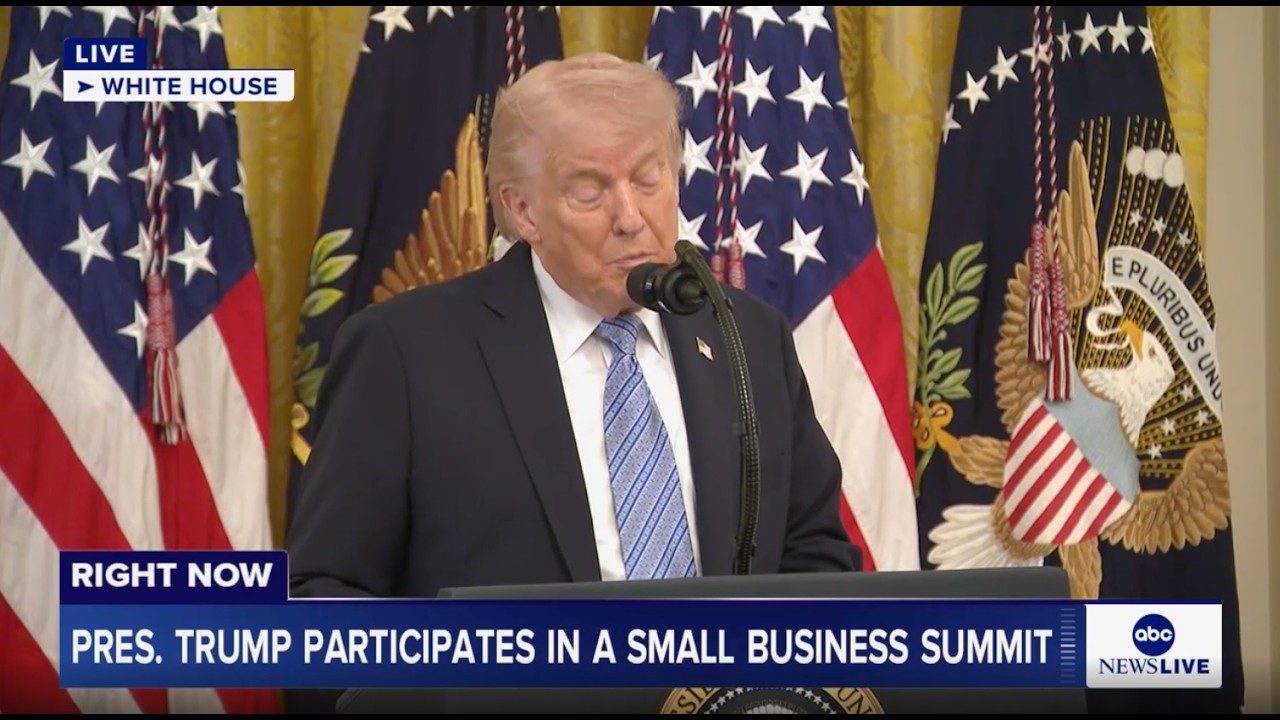
US Secret Service agents shot and wounded an armed suspect near the White House on Monday after the man opened fire, prompting a temporary lockdown; the incident occurred shortly after Vice President JD Vance's motorcade passed the area. Officials stated Vance was not believed to be the target of the shooting.
Based on initial report · will update when full text is available
Full BriefGenerated 1d ago
What Happened
US Secret Service agents shot and wounded an armed suspect near the White House on Monday after the individual opened fire in the vicinity. The incident triggered a brief lockdown of the White House complex. The shooting occurred shortly after Vice President JD Vance's motorcade had passed through the area, though officials stated Vance was not believed to be the target of the attack. The suspect's condition, identity, and motive have not been disclosed in available reporting.
Key Actors
·
US Secret Service(Federal law enforcement agency responsible for protecting the President, Vice President, and White House complex)Engaged and shot the armed suspect after he opened fire near the White House
·
Armed suspect(Unidentified individual who discharged a firearm near the White House)Opened fire in the vicinity of the White House before being shot and wounded by Secret Service agents
·
Vice President JD Vance(Vice President of the United States)His motorcade had recently passed the area where the shooting occurred, though officials say he was not believed to be the target
Why It Matters
This incident represents a direct armed threat in the immediate vicinity of the White House, one of the most heavily secured locations in the United States. While officials have stated Vice President Vance was not believed to be the target, the timing of the shooting shortly after his motorcade passed raises questions about whether the suspect was aware of or reacting to the vice presidential movement. The event underscores ongoing security challenges for protective details operating in public spaces around critical government facilities, and the suspect's motive—whether political, personal, or related to mental health—will be scrutinized for implications regarding threats to senior US officials.
Watch For
Monitor for official identification of the suspect and disclosure of motive, which will clarify whether this was a targeted attack on government officials, an act of political violence, or an unrelated incident. Watch for updates on the suspect's condition and any potential charges filed by federal prosecutors. Any changes to Secret Service protective protocols or White House security posture in response to the incident should be noted. If the suspect's background reveals connections to extremist groups or prior threats against officials, that will significantly alter the threat assessment for future protective operations in Washington, DC.
Generated 1d ago · Based on initial reportAuto-Compiled
This page aggregates and summarizes reporting from France 24 Americas. The Conflict Pulse does not author original reporting. Read the original source for full coverage.
The United States faces ongoing domestic political polarization, social stratification, and intensifying debates over the direction of its foreign policy commitments. As the world's largest military and economic power, US policy decisions on aid, sanctions, arms transfers, and diplomatic engagement have direct and immediate consequences for active conflict zones worldwide. Internally, rising partisan divisions, shifting electoral dynamics, and institutional tensions continue to shape the domestic landscape. The Conflict Pulse aggregates verified reporting on US-related geopolitical developments, executive actions, congressional debates on defense spending, and diplomatic maneuvers that directly intersect with the global conflicts tracked across this platform.
Active since May 2020
SOURCE PERSPECTIVES
How outlets across the bias spectrum are covering this conflict.