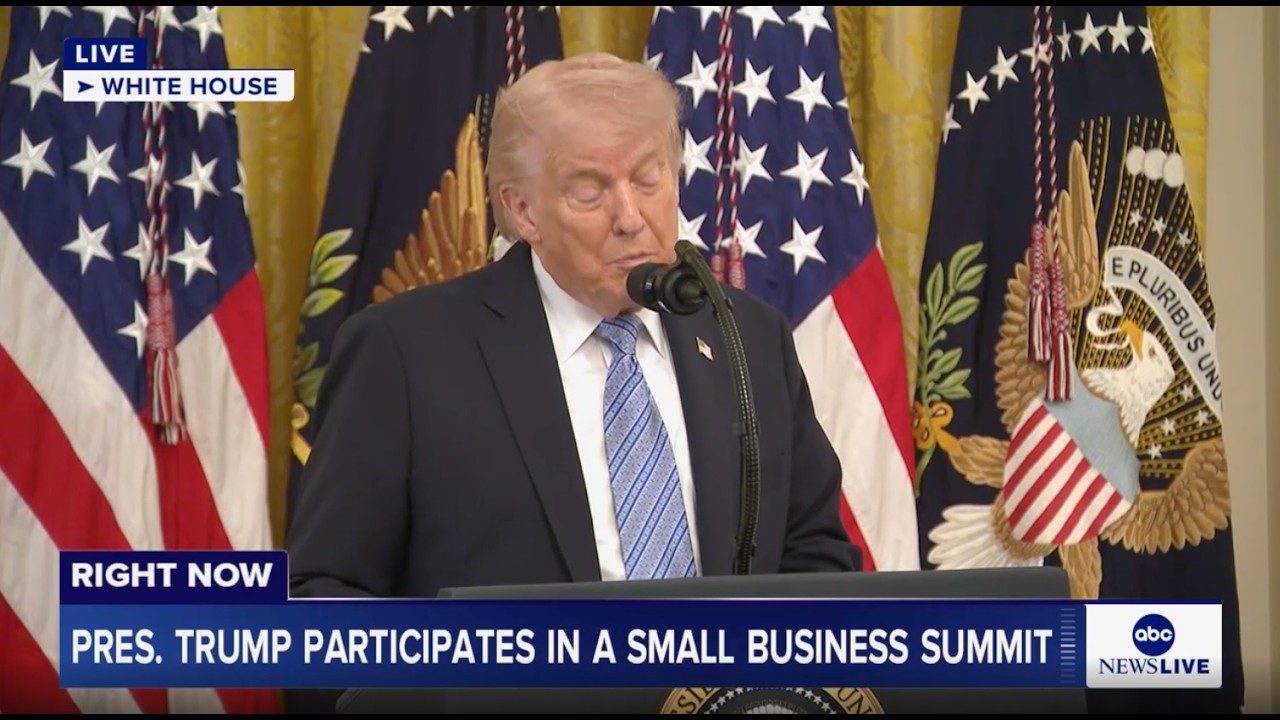
Brazilian President Luiz Inácio Lula da Silva is scheduled to travel to the United States this week for a meeting with President Donald Trump at the White House, according to media reports. The visit marks the first in-person bilateral engagement between the two leaders since Trump's return to office and comes amid ongoing trade and diplomatic discussions between Brazil and the United States.
Based on initial report · will update when full text is available
Full BriefGenerated 1d ago
What Happened
Brazilian President Luiz Inácio Lula da Silva is scheduled to travel to the United States later this week to meet with US President Donald Trump at the White House, according to media reports. The meeting marks a significant diplomatic engagement between the leaders of the Western Hemisphere's two largest economies. No specific date or agenda details have been publicly confirmed by either government, though the timing follows months of diplomatic positioning by Brazil on issues including trade, climate policy, and regional security in Latin America.
Key Actors
·
Luiz Inácio Lula da Silva(President of Brazil)Traveling to Washington to meet with Trump, seeking to advance Brazilian interests on trade, climate, and regional diplomacy.
·
Donald Trump(President of the United States)Hosting Lula at the White House in what represents a key bilateral engagement with Latin America's largest economy.
Why It Matters
The meeting represents a critical juncture in US-Brazil relations at a time when Washington is recalibrating its approach to Latin America and Brasília is asserting itself as a regional power broker. Brazil under Lula has pursued closer ties with China and positioned itself as a mediator in conflicts including Ukraine, creating potential friction with US strategic priorities. The outcome of this meeting could shape trade negotiations, Brazilian alignment on sanctions regimes, and cooperation on issues from Amazon deforestation to Venezuela's political crisis. Any agreements or public disagreements will signal the trajectory of hemispheric relations under both administrations.
Watch For
Monitor for official confirmation of the meeting date and any joint statements or press conferences that follow. Key issues to track include whether the leaders announce progress on trade agreements, Brazilian commitments on Chinese technology in critical infrastructure, or coordination on Venezuela policy. Watch for Lula's public remarks before and after the meeting, particularly regarding Brazil's stance on US-led sanctions or military cooperation. Any announcements regarding investment deals, particularly in energy or agriculture, will indicate the depth of rapprochement achieved.
Generated 1d ago · Based on initial reportAuto-Compiled
This page aggregates and summarizes reporting from Al Jazeera. The Conflict Pulse does not author original reporting. Read the original source for full coverage.
The United States faces ongoing domestic political polarization, social stratification, and intensifying debates over the direction of its foreign policy commitments. As the world's largest military and economic power, US policy decisions on aid, sanctions, arms transfers, and diplomatic engagement have direct and immediate consequences for active conflict zones worldwide. Internally, rising partisan divisions, shifting electoral dynamics, and institutional tensions continue to shape the domestic landscape. The Conflict Pulse aggregates verified reporting on US-related geopolitical developments, executive actions, congressional debates on defense spending, and diplomatic maneuvers that directly intersect with the global conflicts tracked across this platform.
Active since May 2020
SOURCE PERSPECTIVES
How outlets across the bias spectrum are covering this conflict.