Times of Israel
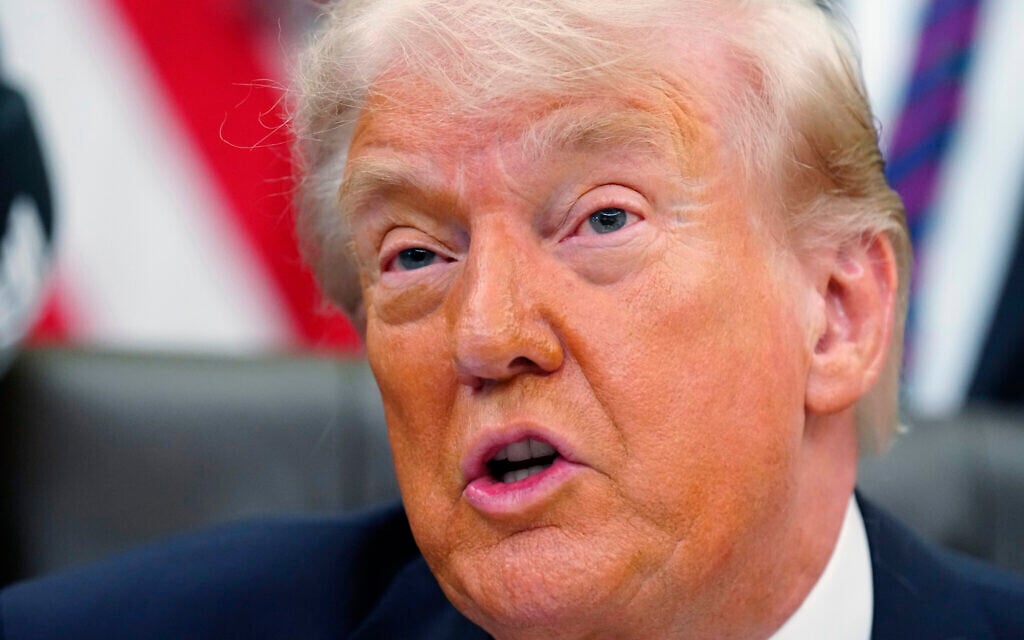
centerLIVE UPDATEClaiming ‘great progress’ in Iran talks, Trump says US pausing naval escorts in Hormuz
Live BriefGenerated 17h ago
Story Developing — Brief Reflects Events Through 17h ago
What Happened
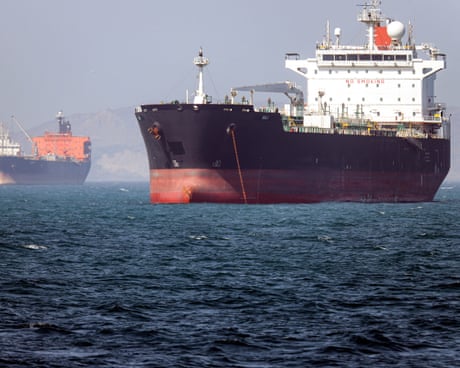
US President Donald Trump announced a pause in US naval escort operations in the Strait of Hormuz, citing "great progress" in ongoing negotiations with Iran. Trump stated the pause was ordered at the request of Pakistan, which is serving as a mediator, along with other unspecified parties. The announcement comes amid heightened tensions in the region following recent Iranian military actions. Separately, the United Arab Emirates reported that Israeli Prime Minister Benjamin Netanyahu was among multiple world leaders who contacted the Emirati leadership to condemn recent Iranian attacks. The nature and targets of these Iranian attacks were not detailed in the available reporting. In a related development, protesters gathered outside a synagogue in New York City chanting slogans calling for Israel's demise, reflecting the spillover of regional tensions into diaspora communities.
Key Actors
- ·Donald Trump(President of the United States)Ordered a pause in US naval escorts in the Strait of Hormuz, citing progress in Iran negotiations mediated by Pakistan.
- ·Pakistan(Mediating state in US-Iran negotiations)Requested the pause in US naval operations as part of its mediation efforts between Washington and Tehran.
- ·Benjamin Netanyahu(Prime Minister of Israel)Contacted Emirati leadership to condemn recent Iranian attacks, signaling coordination with Gulf Arab states.
- ·Iran(Islamic Republic of Iran)Subject of US negotiations and accused of conducting attacks that prompted condemnation from regional and international leaders.
Why It Matters
The pause in US naval escorts through the Strait of Hormuz—a chokepoint for roughly 21% of global petroleum liquids—signals a potential de-escalation in US-Iran tensions, contingent on the success of Pakistani-mediated talks. The coordination between Netanyahu and Gulf Arab leaders, particularly the UAE, underscores the consolidation of the Abraham Accords framework as a counter-Iran bloc, with Israel and Gulf states aligning security interests against Tehran's regional activities. Trump's willingness to reduce US military posture in the Gulf, even temporarily, suggests either confidence in diplomatic progress or a strategic shift away from direct confrontation, though the lack of detail on Iranian attacks leaves the scope of recent escalation unclear. The protests in New York reflect how regional conflict dynamics increasingly manifest in Western diaspora communities, complicating domestic political calculations around Middle East policy.
Watch For
Monitor whether the pause in US naval escorts is extended beyond an initial timeframe or reversed if talks stall, and watch for any official readout from Pakistan on the substance of mediation efforts. Track whether Iran reciprocates with de-escalatory measures, such as reduced harassment of commercial shipping or constraints on proxy activities in Iraq, Syria, or Yemen. Observe whether Netanyahu's outreach to the UAE and other Gulf states translates into formal joint statements or coordinated military posturing against Iran. Any further incidents involving Iranian forces or proxies in the Strait of Hormuz, Red Sea, or Bab el-Mandeb will test the durability of this diplomatic opening.
Generated 17h ago · Based on initial reportAuto-Compiled
This page aggregates and summarizes reporting from Times of Israel. The Conflict Pulse does not author original reporting. Read the original source for full coverage.
CONFLICT OVERVIEW
Iran
Internal political tensions, regional proxy conflicts, and international standoffs regarding Iran's nuclear program and geopolitical influence.
SOURCE PERSPECTIVES
How outlets across the bias spectrum are covering this conflict.
left
Middle East crisis live: Iran’s top negotiator says US aiming to force Tehran’s ‘surrender’
The Guardian Middle EastTrump tells Iran to accept deal or face new wave of US bombing
The Guardian AsiaLATEST FROM IRAN