
The Guardian Europe
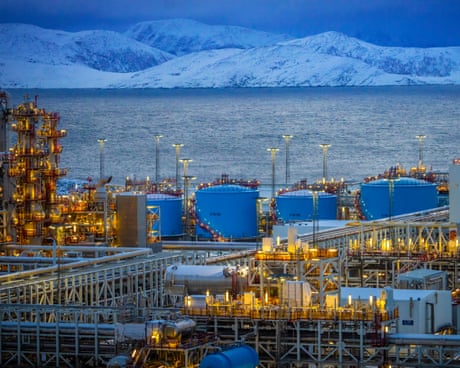
leftREPORTNorway’s national oil company’s profits double to $11.5bn amid war on Iran
Equinor benefits from decision to increase oil and gas production during strait of Hormuz blockadesBusiness live – latest updatesProfits at Norway’s state oil company nearly doubled to $11. 5bn (£8.
Full BriefGenerated 102d ago
What Happened
Norway's state oil company Equinor reported adjusted profits of $11.5 billion for Q2, nearly double the $6.5 billion from the same period last year, as the war against Iran disrupted oil shipments. The near-halt to shipping through the Strait of Hormuz slashed Gulf oil flows, while Brent crude prices swung between $75 and over $100 per barrel between April and June. The US military launched its 11th night of strikes on Iran, targeting aircraft hangars and drone storage sites, undermining hopes for an interim ceasefire. Yemen's Iran-aligned Houthis (Ansar Allah) declared a naval blockade on Saudi Arabia, threatening the kingdom's Red Sea pipeline exports.
Key Actors
- ·United States(Belligerent conducting airstrikes on Iran)Conducted 11 nights of strikes on Iranian military sites, continuing hostilities
- ·Iran(Target of US strikes; backer of Houthi forces)Under sustained US aerial attack; its ally Houthis escalated maritime pressure on Saudi Arabia
- ·Houthis (Ansar Allah)(Iran-aligned Yemeni faction)Announced a naval blockade on Saudi Arabia, blocking Red Sea shipping routes
- ·Saudi Arabia(US-aligned Gulf state reliant on Red Sea oil exports)Facing a Houthi naval blockade, risking major disruption to oil shipments
Why It Matters
The Strait of Hormuz and Red Sea are critical chokepoints for global oil supply. The effective closure of Hormuz and the new Houthi blockade on Saudi Arabia risk tightening global energy markets further, driving up prices and generating windfall revenues for non-Gulf producers like Norway's Equinor. The US-Iran conflict shows no sign of de-escalation, and the Houthi move broadens the maritime front, threatening Saudi economic stability and deepening the regional proxy war.
Watch For
Monitor whether US strikes on Iran persist or a diplomatic breakthrough revives the interim ceasefire. The Houthi blockade's enforcement and Saudi Arabia's ability to maintain Red Sea exports will be critical. Any further escalation could push oil prices above $100 and prompt international naval intervention.
Generated 102d ago · Based on full articleAuto-Compiled
DAILY BRIEFING
Follow Iran
Get a daily briefing with the most critical developments from every active conflict zone. Concise. Verified. Free.
No spam. Unsubscribe anytime. Verified sources only.
This page aggregates and summarizes reporting from The Guardian Europe. The Conflict Pulse does not author original reporting. Read the original source for full coverage.
CONFLICT OVERVIEW
Iran
Latest verified updates on Iran’s regional confrontation, U.S.–Israeli strikes, missile retaliation, proxy networks, sanctions, and Strait of Hormuz risks.
MORE REPORTING ON THIS REGION
Recent reporting from this region. These stories may cover different events.
LATEST FROM IRAN

REPORTJerusalem Post — Iran News14h ago
'Some optimism' in US-Iran negotiations despite major disagreements, sources tell 'Post'

REPORTAl Jazeera15h ago
How will the Iran war shape the outcome of the US midterm vote?
REPORTJerusalem Post — Iran News16h ago
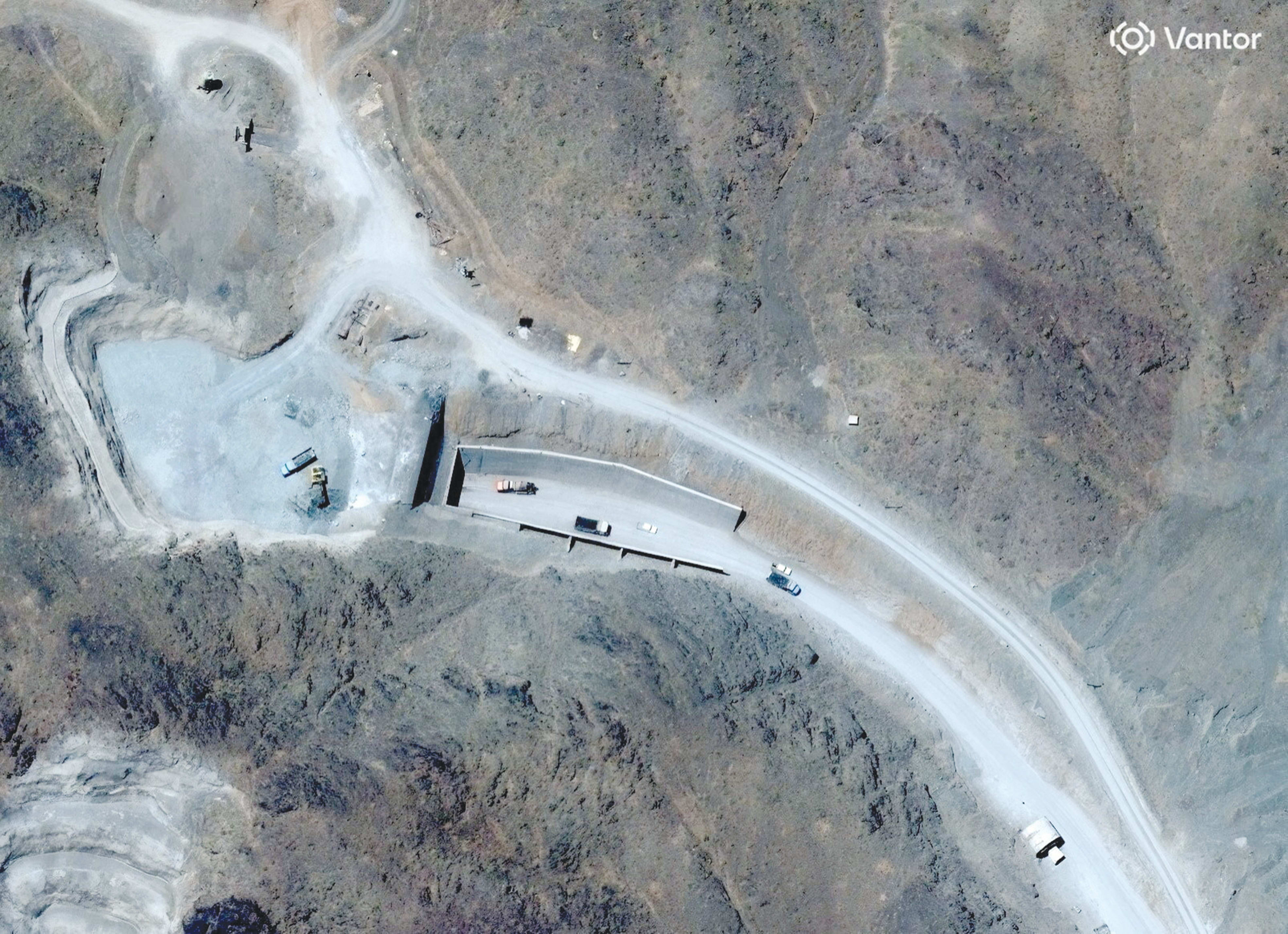
Israel, US have plan ready for third Iran war, Tehran's hidden weapons pose challenges - analysis

REPORTJerusalem Post — Iran News17h ago
Iran has a hidden network of military agencies managing to smuggle hardware past US blockade
REPORTJerusalem Post — Iran News19h ago
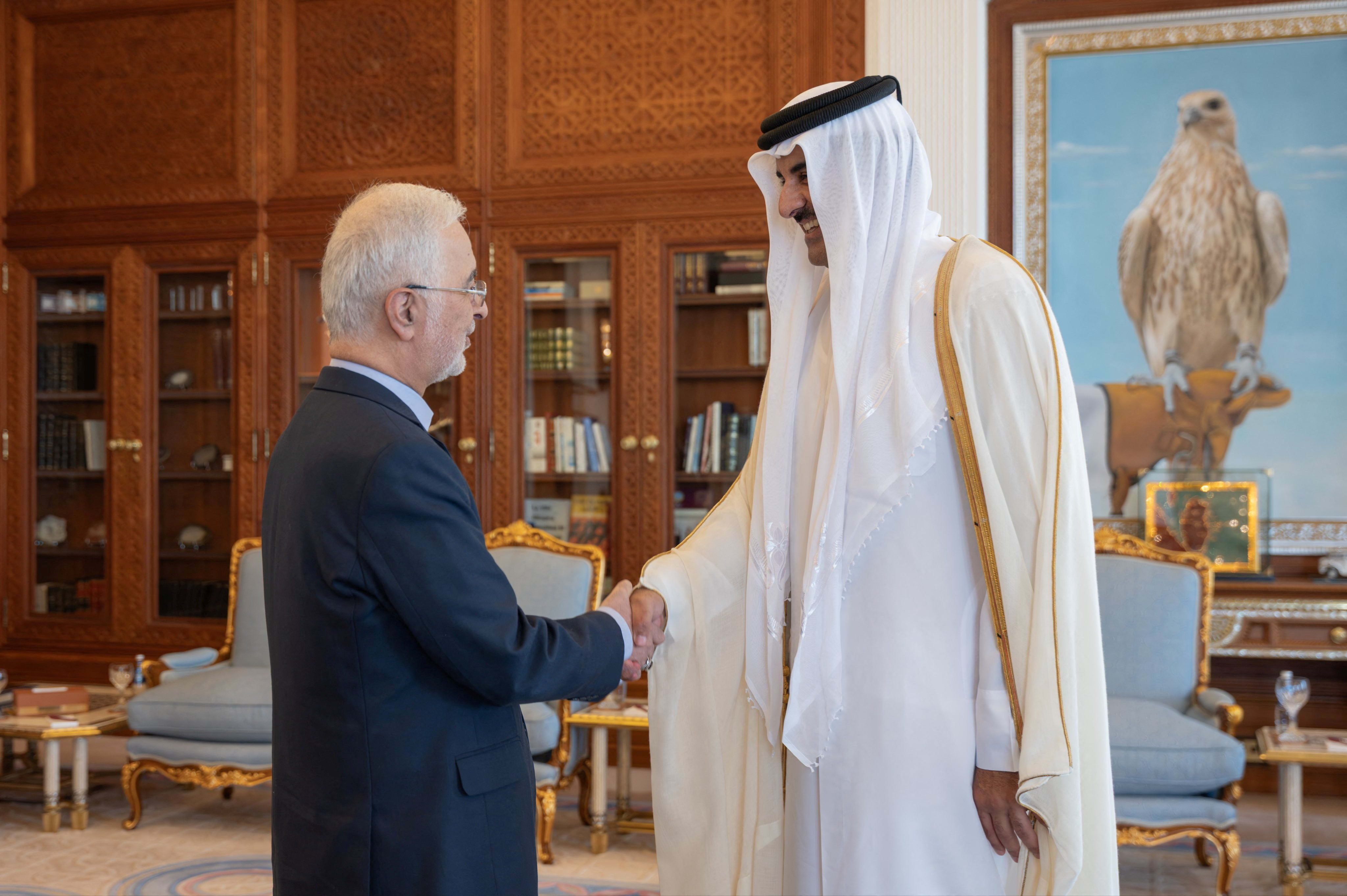
Iranian negotiators in Doha to continue talks to end the US-Iran war, official says

REPORTMiddle East Eye19h ago