The Guardian Middle East
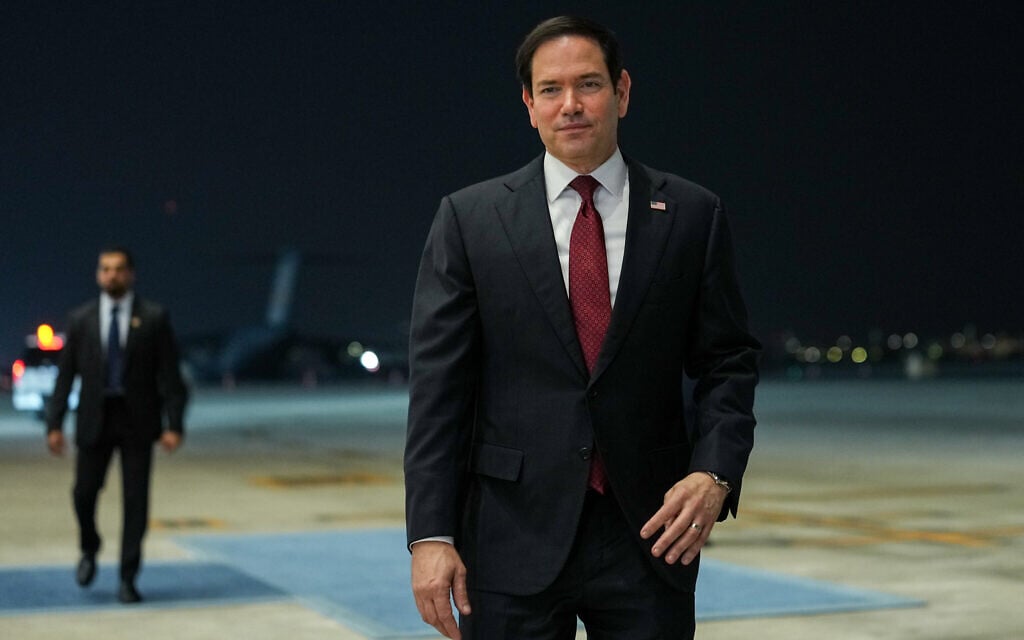
leftREPORTMiddle East crisis: Rubio says opening the strait of Hormuz is first condition in talks with Iran – as it happened
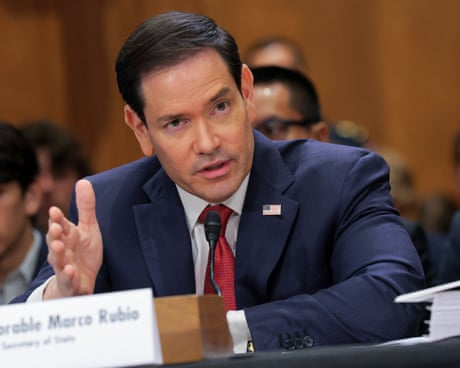
The US secretary of state added that Iran must also commit to specific negotiations on the disposition of highly-engaged uranium. Israel’s weapons exports has reached an all-time high for a fifth year running, according to the country’s defence ministry.
Full BriefGenerated 21d ago
What Happened
Israeli forces continue military operations in southern Lebanon despite US President Donald Trump's claim that Israel and Hezbollah have agreed to "stop all shooting." The Israeli Defense Forces (IDF) reported intercepting missiles fired from Lebanon this morning, and Prime Minister Benjamin Netanyahu stated Israeli forces will maintain their presence and operations in southern Lebanon. Trump's assertion of a de-escalation agreement contradicts the ongoing exchange of fire and Israel's stated operational posture. The discrepancy between Trump's diplomatic characterization and the ground reality highlights either a breakdown in communication or a fundamental disagreement over the terms of any potential ceasefire. Separately, UK Labour MP Emily Thornberry, chair of the foreign affairs select committee, criticized her own government for failing to impose sufficient economic pressure on Israel to halt operations in the West Bank and Gaza, accusing the UK of letting down the Palestinian people.
Key Actors
- ·IDF(Israeli Defense Forces)Intercepted missiles from Lebanon and continues operations in southern Lebanon per Netanyahu's directive.
- ·Benjamin Netanyahu(Israeli Prime Minister)Stated Israeli forces will continue operating in southern Lebanon despite Trump's ceasefire claims.
- ·Donald Trump(US President)Claimed Israel and Hezbollah have agreed to cease hostilities, contradicted by ongoing military activity.
- ·Emily Thornberry(UK Labour MP, Chair of Foreign Affairs Select Committee)Criticized UK government for failing to impose economic consequences on Israel over West Bank and Gaza operations.
Why It Matters
The contradiction between Trump's diplomatic messaging and the continuation of Israeli military operations in Lebanon signals either a failed ceasefire negotiation or a fundamental misalignment between US diplomatic efforts and Israeli military strategy. Netanyahu's explicit commitment to ongoing operations undermines any claim of de-escalation and suggests Israel intends to maintain pressure on Hezbollah positions regardless of international diplomatic initiatives. This divergence complicates US mediation efforts and raises questions about Washington's leverage over Israeli decision-making. Thornberry's public criticism of UK policy reflects growing frustration within Western governments over the lack of effective mechanisms to influence Israeli conduct in Gaza and the West Bank, potentially signaling a shift in Labour's approach to the conflict despite the government's official stance.
Watch For
Monitor whether the IDF expands or contracts its operational footprint in southern Lebanon over the coming days, which will clarify whether Netanyahu's statement represents a temporary posture or a long-term commitment. Track any formal US or international response to the gap between Trump's ceasefire claim and the reality on the ground, including whether Washington issues clarifications or applies diplomatic pressure. Watch for further statements from UK government ministers in response to Thornberry's criticism, particularly regarding potential sanctions or policy shifts toward Israel. Any Hezbollah retaliatory strikes or escalation in missile fire from Lebanon will indicate whether the group views Trump's statement as credible or dismisses it entirely.
Generated 21d ago · Based on full articleAuto-Compiled
This page aggregates and summarizes reporting from The Guardian Middle East. The Conflict Pulse does not author original reporting. Read the original source for full coverage.
CONFLICT OVERVIEW
Iran
Latest verified updates on Iran’s regional confrontation, U.S.–Israeli strikes, missile retaliation, proxy networks, sanctions, and Strait of Hormuz risks.
SOURCE PERSPECTIVES
How outlets across the bias spectrum are covering this conflict.
LATEST FROM IRAN