The Guardian Middle East
leftREPORTIs the Israel-Lebanon ceasefire over before it began? - The Latest
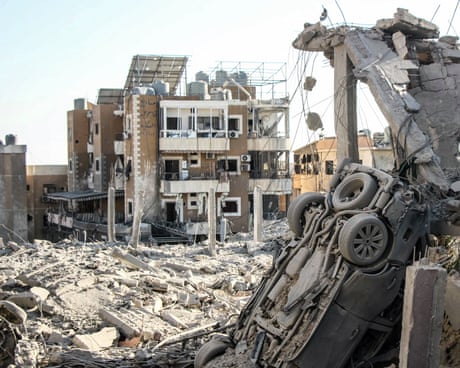
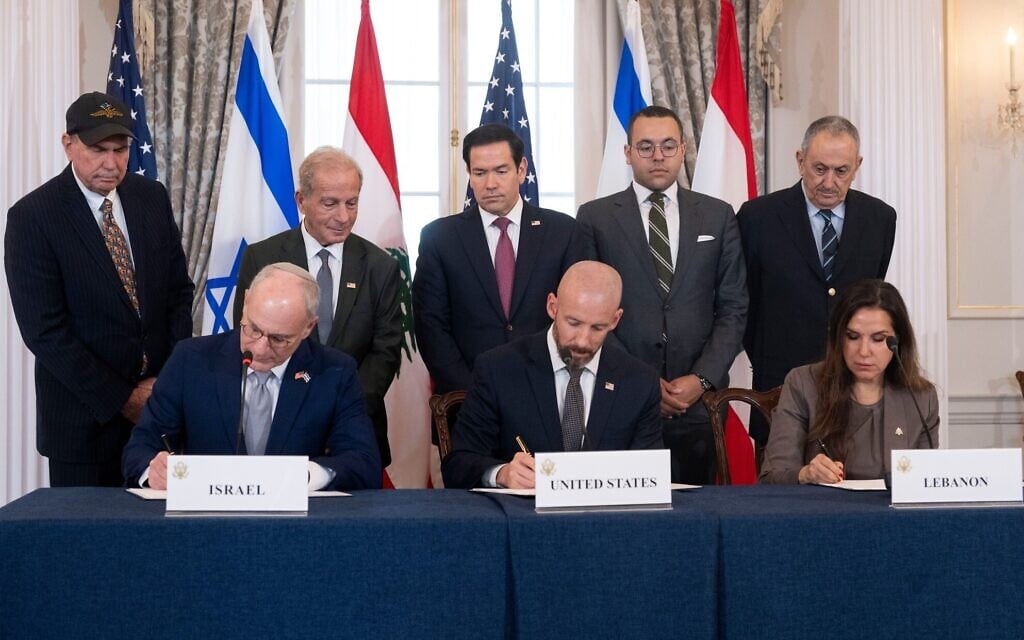
Israel and Lebanon have agreed to implement a ceasefire to end hostilities as the US attempts to overcome one of the largest barriers to reaching a broader deal to end the war with Iran. But the Israel-Lebanon ceasefire is dependent on a complete halt of fire from Hezbollah, and the evacuation of all its fighters from southern Lebanon.
Full BriefGenerated 22d ago
What Happened
Israel and Lebanon have agreed to implement a ceasefire aimed at ending hostilities between the Israeli Defense Forces and Hezbollah, brokered by the United States as part of efforts to de-escalate the broader regional conflict involving Iran. The ceasefire terms require a complete cessation of fire by Hezbollah and the full withdrawal of all Hezbollah fighters from southern Lebanon. The agreement's viability remains uncertain, as compliance with these conditions—particularly the evacuation of Hezbollah forces from the south—has not been verified and represents a significant implementation challenge given Hezbollah's historical entrenchment in the region.
Key Actors
- ·Israel(Israeli government and military)Agreed to the ceasefire contingent on Hezbollah's complete halt of fire and withdrawal from southern Lebanon.
- ·Hezbollah(Lebanese Shia militant group and political party)Required to cease all hostilities and evacuate fighters from southern Lebanon as conditions of the ceasefire.
- ·United States(Mediating power)Brokered the ceasefire as part of broader efforts to prevent escalation with Iran and stabilize the region.
- ·Lebanon(Lebanese government)Party to the ceasefire agreement, though its capacity to enforce Hezbollah's compliance remains unclear.
Why It Matters
This ceasefire represents a critical test of whether diplomatic pressure can contain the Israel-Hezbollah front before it triggers a wider regional war involving Iran, which has used Hezbollah as a key proxy force. The agreement's success hinges on Hezbollah's willingness to cede its military presence in southern Lebanon—a strategic position it has maintained since the 2006 war and uses to threaten northern Israel. Failure to implement the withdrawal or renewed hostilities would likely collapse US-led de-escalation efforts and could prompt Israeli ground operations or expanded strikes, further destabilizing Lebanon's fragile political and economic situation.
Watch For
Monitor whether Hezbollah begins any visible withdrawal of fighters and heavy weapons from positions south of the Litani River, and whether Israel reports continued rocket or drone attacks from Lebanese territory. Watch for statements from UNIFIL or the Lebanese Armed Forces regarding their role in verifying compliance or filling the security vacuum. Any Israeli airstrikes or ground incursions in the coming days would signal the ceasefire's collapse. Track US diplomatic engagement with Tehran, as Iran's instructions to Hezbollah will determine whether the group honors the agreement or treats it as a tactical pause.
Generated 22d ago · Based on full articleAuto-Compiled
This page aggregates and summarizes reporting from The Guardian Middle East. The Conflict Pulse does not author original reporting. Read the original source for full coverage.
CONFLICT OVERVIEW
Israel–Palestine
Latest verified updates on Gaza, the West Bank, Israeli military operations, Palestinian politics, humanitarian conditions, and international diplomacy.
Active since May 1948
SOURCE PERSPECTIVES
How outlets across the bias spectrum are covering this conflict.
LATEST FROM ISRAEL–PALESTINE