
Jerusalem Post — Iran News
rightREPORTIran unlikely to ever willingly surrender control over Strait of Hormuz, INSS expert claims
Full BriefGenerated 61d ago
What Happened
Dr. Raz Zimmt, head of the Iran program at the Institute for National Security Studies (INSS), told 103FM that Iran is unlikely to ever willingly surrender control over the Strait of Hormuz, which it views as its most significant strategic achievement. He claimed that the United States might be prepared to recognize a change in the status quo in the strait, potentially allowing Iran to impose fees such as service or environmental charges. Zimmt stated that in recent weeks negotiations have been conducted via Oman over arrangements to reopen the strait, with Iran insisting on the release of frozen assets, easing of oil export sanctions, and lifting of a naval blockade—demands it says were part of a prior memorandum of understanding that the US allegedly violated.
Key Actors
- ·Dr. Raz Zimmt(Head of the Iran program at the Institute for National Security Studies (INSS))Claims Iran will never voluntarily give up control of the Strait of Hormuz and that the US may recognize Iranian control in negotiations.
- ·Iran(State actor controlling the Strait of Hormuz's northern shore)Seeks US concessions including asset releases, sanctions relief, and naval blockade lifting in exchange for reopening the strait, according to Zimmt.
- ·Oman(Mediator in indirect US-Iran negotiations)Facilitating talks on arrangements to reopen the Strait of Hormuz, per Zimmt's account.
- ·United States(Counterparty in Strait of Hormuz negotiations)Allegedly considering recognition of Iranian control and concessions related to frozen assets and sanctions, as claimed by Zimmt.
Why It Matters
The Strait of Hormuz is a critical chokepoint for global oil transit; Iranian control or the legitimization of fees could significantly impact energy markets and give Tehran long-term strategic leverage. The reported negotiations and potential US concessions signal a shift in the 'maximum pressure' approach and may affect the broader nuclear standoff and regional proxy dynamics.
Watch For
Monitor Oman-mediated talks for any formal agreement on strait access, US statements on sanctions or naval presence, Iranian reactions to IAEA censures or nuclear deadlines, and any incident in the Strait of Hormuz that could derail diplomatic efforts.
Generated 61d ago · Based on full articleAuto-Compiled

DAILY BRIEFING
Follow Iran
Get a daily briefing with the most critical developments from every active conflict zone. Concise. Verified. Free.
No spam. Unsubscribe anytime. Verified sources only.
This page aggregates and summarizes reporting from Jerusalem Post — Iran News. The Conflict Pulse does not author original reporting. Read the original source for full coverage.
CONFLICT OVERVIEW
Iran
Latest verified updates on Iran’s regional confrontation, U.S.–Israeli strikes, missile retaliation, proxy networks, sanctions, and Strait of Hormuz risks.
MORE REPORTING ON THIS REGION
Recent reporting from this region. These stories may cover different events.
LATEST FROM IRAN

DEVELOPINGAl Jazeera11h ago
Is Trump signalling a return to war with Iran after the midterms?

DEVELOPINGMiddle East Eye11h ago
Iranian human rights official says legal efforts under way over Minab attack
DEVELOPINGThe Guardian Middle East11h ago
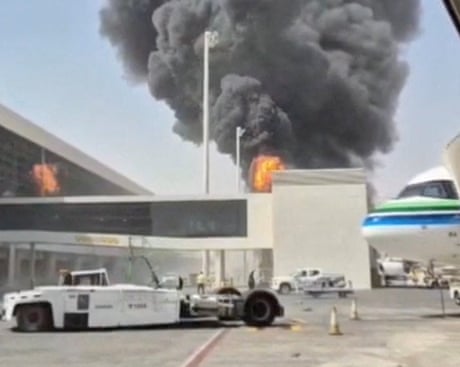
Three Saudis killed in Riyadh airport attack claimed by Houthis
REPORTMiddle East Eye14h ago
Morning update

REPORTAl Jazeera15h ago
Trump says US will not strike Iran before midterm elections
REPORTMiddle East Eye15h ago