
Iran sets conditions for reopening Strait of Hormuz
Mohammad Bagher Zolghadr, secretary of Iran’s Supreme National Security Council, has outlined Tehran’s conditions for reopening the Strait of Hormuz. In a statement carried by Iran’s state broadcaster IRIB, Zolghadr said Washington must “correct its behaviour” by: Ending threats against Iran and its “sacred values” Permanently halting military action against Iran and its regional allies Withdrawing US naval and air forces involved in the blockade of Iran Compensating Iran for damage inflicted du
- ·Mohammad Bagher Zolghadr(Secretary of Iran’s Supreme National Security Council)Outlined six conditions for reopening the Strait of Hormuz, insisting the Council will not retreat from them.
- ·United States(Primary counterpart and subject of the demands)Must meet all six conditions, including military withdrawal and sanctions relief, for the strait to reopen, according to Zolghadr.
- ·Supreme National Security Council of Iran(Iran’s top security decision-making body)Through Zolghadr, declared it will not compromise on the demands.

Follow Iran
Get a daily briefing with the most critical developments from every active conflict zone. Concise. Verified. Free.
No spam. Unsubscribe anytime. Verified sources only.
Iran
Latest verified updates on Iran’s regional confrontation, U.S.–Israeli strikes, missile retaliation, proxy networks, sanctions, and Strait of Hormuz risks.
Recent reporting from this region. These stories may cover different events.

Is Trump signalling a return to war with Iran after the midterms?

Iranian human rights official says legal efforts under way over Minab attack
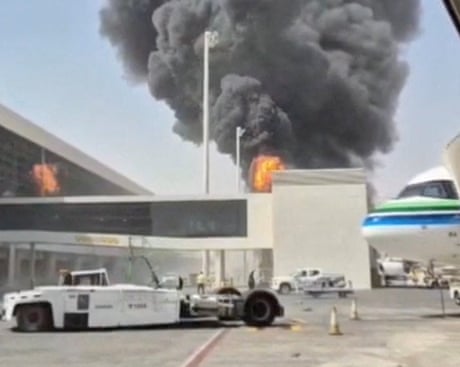
Three Saudis killed in Riyadh airport attack claimed by Houthis
Morning update

Trump says US will not strike Iran before midterm elections