
BBC Middle East
centerREPORTIran sends tankers loaded with oil past US military blockade
Full BriefGenerated 68d ago
What Happened
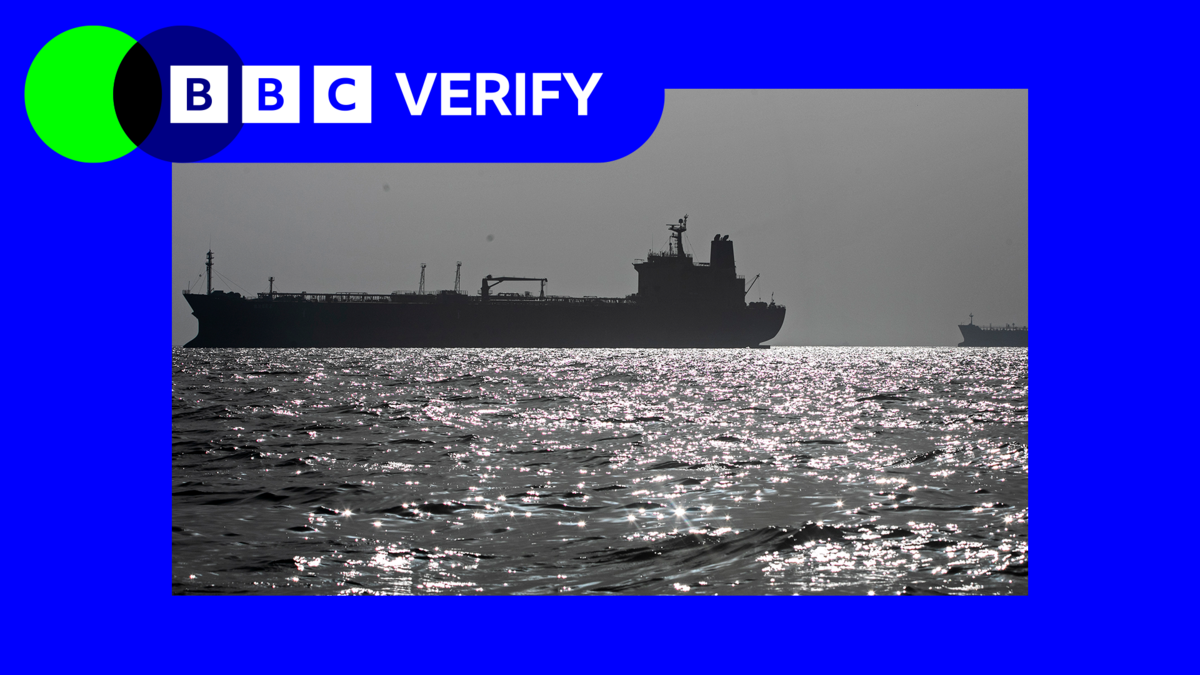
On Wednesday, three Iranian-flagged crude oil tankers—Diona, Hero II, and Sonia I—sailed past the United States naval blockade line in the Gulf of Oman and into the Arabian Sea, according to ship-tracking data from MarineTraffic. The vessels are owned by the National Iranian Tanker Company (NITC), which is under U.S. Treasury sanctions. Two tankers broadcast their locations while crossing the line; a third activated its transponder only after passing it. The tankers carry a combined 3.8 million barrels of crude oil, per TankerTrackers.com, and if they reach their destinations, would represent Iran’s first oil exports in two months. The move follows President Donald Trump’s Sunday announcement of an 'immediate removal' of the blockade, though U.S. naval forces later confirmed the blockade would stay in place until a deal with Iran is signed—expected on Friday in Switzerland. Michelle Wiese Bockman, senior analyst at Windward Maritime Intelligence, told BBC Verify that this is 'a sign that Iran is confident the blockade is over, even if the US has insisted it will be in place until Friday.'
Key Actors
- ·Iran(State actor)Sent three NITC-owned tankers past the US blockade line, signaling confidence that the blockade is effectively lifted ahead of a deal signing.
- ·United States(Counterparty imposing sanctions and naval blockade)Announced 'immediate removal' of blockade but later confirmed it remains in effect until a deal with Iran is signed on Friday.
- ·National Iranian Tanker Company (NITC)(Sanctioned Iranian tanker operator)Owns the three tankers (Diona, Hero II, Sonia I) that crossed the blockade line; responsible for Iran’s crude exports.
Why It Matters
The passage of the tankers marks the first test of the U.S. naval blockade’s effectiveness since the announcement of a potential deal, and suggests that either enforcement has eased or Iran is willing to challenge it. The blockade has driven Iranian crude exports to a six-year low of 260,000 barrels per day, severely hitting Tehran’s revenue. A resumption of exports would have significant economic implications for Iran and could shift dynamics in the Gulf, where the U.S. had vowed to intercept Iran-linked vessels even outside the region. The episode also highlights the gap between political announcements and military implementation, with the blockade officially still in place until the deal is signed.
Watch For
The signing of the U.S.-Iran deal expected on Friday in Switzerland will be the immediate milestone. Monitor whether the three tankers reach their destinations and deliver their cargo, which would confirm Iran’s first oil exports in two months. Track other NITC tankers (Stream, Dan, Sinopa) that have recently become active, as they may signal a broader resumption of exports. Watch for any statements or actions by U.S. naval forces clarifying enforcement policy, and observe the reaction of regional powers and global oil markets to the potential sanctions relief.
Generated 68d ago · Based on full articleAuto-Compiled
This page aggregates and summarizes reporting from BBC Middle East. The Conflict Pulse does not author original reporting. Read the original source for full coverage.
CONFLICT OVERVIEW
Iran
Latest verified updates on Iran’s regional confrontation, U.S.–Israeli strikes, missile retaliation, proxy networks, sanctions, and Strait of Hormuz risks.
SOURCE PERSPECTIVES
How outlets across the bias spectrum are covering this conflict.
LATEST FROM IRAN

REPORTMiddle East Eye10d ago
Iran formalises Strait of Hormuz control as US struggles to sustain war it launched with Israel

REPORTAl Jazeera10d ago
US threatens ‘indefinite’ blockade against Iran: How long can it last?

REPORTMiddle East Eye10d ago
Morning update
REPORTMiddle East Eye11d ago
Vance says US will end up 'in a stronger position' than Iran

REPORTJerusalem Post — Iran News11d ago
US Treasury Secretary Bessent says US to apply measures 'never seen before' on Iran

REPORTAl Jazeera11d ago