
The Guardian Middle East
leftREPORTIran says a deal with Oman to reopen the strait of Hormuz is close to being finalised – as it happened
Full BriefGenerated 16d ago
What Happened
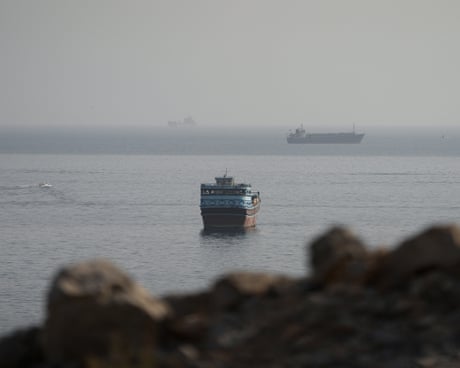
Iran stated that an agreement with Oman to reopen the Strait of Hormuz is close to being finalized. Reports suggest Tehran would control inbound shipping entering the Gulf through the strategic waterway, while Oman would oversee outbound traffic. The strait has been effectively closed since the start of a war in February. However, Reuters reported that Iranian sources rejected U.S. President Donald Trump’s claims that a deal was imminent, noting important details remain unresolved. Iran also linked the reopening to the U.S. lifting its blockade of Iranian ports. Separately, Iran-backed Houthis claimed to have attacked two Saudi oil tankers with ballistic missiles, part of their maritime blockade of Saudi Arabia.
Key Actors
- ·Iran(State actor negotiating Strait of Hormuz control)Seeking control over inbound traffic in a deal with Oman, and linking reopening to US sanctions relief.
- ·Oman(Co-negotiator with Iran over Strait of Hormuz management)Reportedly would oversee outbound shipping under a potential agreement.
- ·Donald Trump(President of the United States)Claimed a deal to reopen the strait was imminent, contradicted by Iranian sources.
- ·Houthis (Ansar Allah)(Iran-backed Yemeni group engaging in maritime attacks)Claimed responsibility for ballistic missile strikes on two Saudi oil tankers amid a broader blockade.
Why It Matters
The Strait of Hormuz is a critical chokepoint through which about one-fifth of the world’s oil and gas supply transits. A deal granting Iran de facto control over inbound traffic would represent a major shift in regional power dynamics and maritime law. Concurrent Houthi attacks on Saudi tankers and Iran's threat to strike Gulf energy infrastructure if targeted by the U.S. signal a multi-front escalation that could severely disrupt global energy markets and deepen the Gulf crisis.
Watch For
Finalization of the Iran-Oman deal could be announced in the coming days, but conflicting signals from Iranian officials suggest protracted negotiations. The Houthi attacks and Saudi response may escalate the Yemen front. The third day of U.S.-backed talks between Israel and Lebanon in Rome will be closely monitored after the first Israeli combat deaths since June. Trump's statements and any U.S. military moves regarding Iran's infrastructure remain key indicators.
Generated 16d ago · Based on full articleAuto-Compiled
This page aggregates and summarizes reporting from The Guardian Middle East. The Conflict Pulse does not author original reporting. Read the original source for full coverage.
CONFLICT OVERVIEW
Iran
Latest verified updates on Iran’s regional confrontation, U.S.–Israeli strikes, missile retaliation, proxy networks, sanctions, and Strait of Hormuz risks.
SOURCE PERSPECTIVES
How outlets across the bias spectrum are covering this conflict.
LATEST FROM IRAN

REPORTMiddle East Eye9d ago
Iran formalises Strait of Hormuz control as US struggles to sustain war it launched with Israel

REPORTAl Jazeera9d ago
US threatens ‘indefinite’ blockade against Iran: How long can it last?

REPORTMiddle East Eye9d ago
Morning update
REPORTMiddle East Eye9d ago
Vance says US will end up 'in a stronger position' than Iran

REPORTJerusalem Post — Iran News9d ago
US Treasury Secretary Bessent says US to apply measures 'never seen before' on Iran

REPORTAl Jazeera9d ago