
Iran International
rightREPORTIran’s water crisis: Mafia or destruction by design?
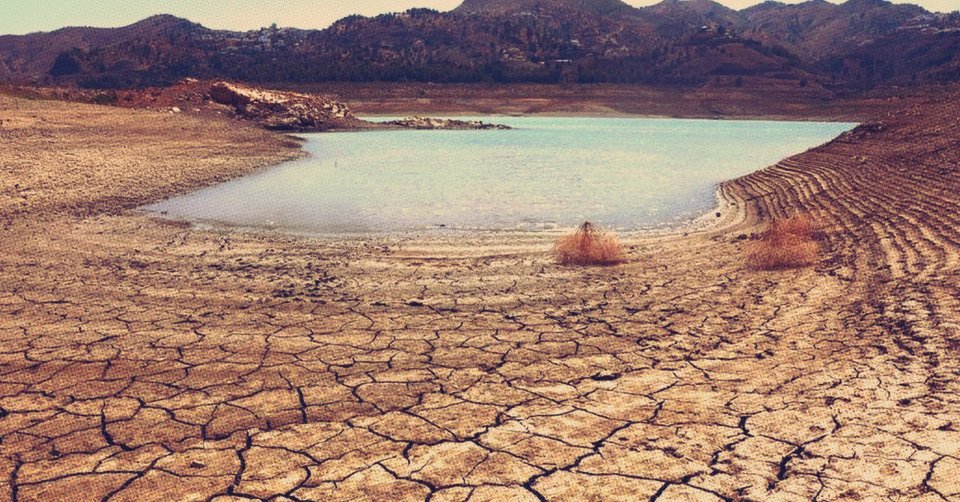
Iran’s water crisis did not begin with a “water mafia,” but with a state model built on self-sufficiency, laws that gave the government broad control over water, subsidized water, and mega-projects that turned scarcity into a map of conflict.
Full BriefGenerated 29d ago
What Happened
Iran is experiencing intensifying regional water disputes driven by a state-led policy of agricultural self-sufficiency that has nearly doubled the nation's irrigated land since 1978. According to the Statistical Center of Iran, irrigated cultivated land expanded from approximately 3 million hectares in 1978 to 5.4 million hectares by 2024. This expansion, facilitated by the Just Distribution of Water Law and implemented through large-scale infrastructure projects, has led to open community confrontations in provinces including Mazandaran, Golestan, Semnan, Hamedan, Kordestan, Kermanshah, Zanjan, and West Azarbaijan. While public discourse often attributes these shortages to a 'water mafia' involving contractors like the IRGC-affiliated Khatam al-Anbiya and Jihad Nasr, analysts argue these entities are beneficiaries of a long-standing governing doctrine prioritizing agricultural output over resource sustainability.
Key Actors
- ·Khatam al-Anbiya(Engineering arm of the Islamic Revolutionary Guard Corps)Acts as a primary contractor for state-funded water transfer and dam projects.
- ·Akbar Fatahi(Deputy for planning and economic affairs at the Agriculture Ministry)Claims that agricultural production increases have occurred without expanding cultivated land, a statement contradicted by official statistical data.
- ·Mohammad Nayeb-Yazdi(Water-resources engineer at the Office of Sustainability and Environmental Management)Asserts that the state utilizes underpriced water to maintain rural employment and political dependency.
Why It Matters
The water crisis represents a structural threat to internal stability in Iran, as the state's reliance on water-intensive agriculture to support 4.329 million agricultural operators creates a cycle of resource depletion and social unrest. By linking rural livelihoods to state-controlled water allocations, the government has turned a resource management issue into a political tool, making future water scarcity a potential catalyst for broader domestic conflict.
Watch For
Monitor for further community-level confrontations in provinces with high water stress, particularly as the government continues to allocate budgets for water-transfer projects. Observe whether the state adjusts its agricultural self-sufficiency doctrine in response to the 2024 agricultural census data or if it continues to prioritize irrigation expansion despite documented groundwater depletion.
Generated 29d ago · Based on full articleAuto-Compiled
DAILY BRIEFING
Follow Iran
Get a daily briefing with the most critical developments from every active conflict zone. Concise. Verified. Free.
No spam. Unsubscribe anytime. Verified sources only.
This page aggregates and summarizes reporting from Iran International. The Conflict Pulse does not author original reporting. Read the original source for full coverage.
CONFLICT OVERVIEW
Iran
Latest verified updates on Iran’s regional confrontation, U.S.–Israeli strikes, missile retaliation, proxy networks, sanctions, and Strait of Hormuz risks.
MORE REPORTING ON THIS REGION
Recent reporting from this region. These stories may cover different events.
LATEST FROM IRAN

DEVELOPINGMiddle East Eye9h ago
US response to Hormuz proposal currently 'under review' by Tehran

REPORTAl Jazeera12h ago
Iran says Hormuz to remain closed until US meets conditions
REPORTMiddle East Eye14h ago
Iran says Hormuz Strait to remain closed until US meets seven conditions
REPORTMiddle East Eye14h ago
Iran's foreign ministry spokesman: Strait of Hormuz 'main concern' of leadership
REPORTMiddle East Eye16h ago
Morning recap
REPORTJerusalem Post — Iran News17h ago