
Al Jazeera
centerREPORTIran’s Ghalibaf accuses Trump of conducting show diplomacy ‘on loop’
Full BriefGenerated 63d ago
What Happened
Iranian Parliament Speaker and chief negotiator Mohammad Bagher Ghalibaf accused U.S. President Donald Trump of 'theatre diplomacy on loop' in a social media post on Thursday, days after Trump claimed he called off a large-scale military attack on Iran because Tehran and other countries had requested a halt for negotiations. Trump said 'the perimeters of a deal' were agreed, which would lead to the reopening of the Strait of Hormuz and end Iran's nuclear threat. Ghalibaf dismissed this as a failed pressure tactic, stating Washington shifts between threats and offers while using 'bullying + broken promises + fake news as leverage.' Separately, Iran has been in talks with Oman to reopen the strait, with Tehran claiming a deal is close after both countries agreed on shipping routes. Trump later told reporters the war would end 'pretty soon' and that Iran 'can't go much longer,' while Iranian officials emphasize preparedness for a long war.
Key Actors
- ·Mohammad Bagher Ghalibaf(Iranian Parliament Speaker and chief negotiator)Accused Trump of 'theatre diplomacy on loop' and dismissed U.S. pressure tactics as failed strategy.
- ·Donald Trump(U.S. President)Claimed he cancelled a planned military strike on Iran, asserts a deal is close to reopen the Strait of Hormuz and end the nuclear threat, and believes the war will end soon.
- ·Iran(Iranian government)Negotiating with Oman to reopen the Strait of Hormuz, asserting sovereignty over the waterway, and stating preparedness for a long war.
- ·Oman(Mediator in Strait of Hormuz talks)Agreed with Iran on the coordinates of shipping routes through the strait, with a deal reported close.
Why It Matters
Ghalibaf's rebuke underscores the deep mistrust between Tehran and Washington despite Trump's optimistic claims of a diplomatic breakthrough. The dueling narratives feed the information war surrounding the conflict, which has already disrupted global energy markets via the Strait of Hormuz closure. Iran's simultaneous talks with Oman and rejection of Trump's deal version suggest a complex negotiation track that could either ease tensions or prolong the standoff if the U.S. narrative is seen as insincere. The standoff also tests the durability of Iran's 'Axis of Resistance' and its ability to sustain a long conflict amid internal pressures.
Watch For
Monitor for any formal announcement of a Strait of Hormuz reopening deal with Oman, Iran's official response to Trump's claims via the Supreme Leader or Foreign Ministry, and whether the U.S. resumes military threats or imposes new sanctions. IAEA reports on Iran's nuclear activities and any further social media exchanges between senior officials will also be key indicators of the trajectory.
Generated 63d ago · Based on full articleAuto-Compiled

DAILY BRIEFING
Follow Iran
Get a daily briefing with the most critical developments from every active conflict zone. Concise. Verified. Free.
No spam. Unsubscribe anytime. Verified sources only.
This page aggregates and summarizes reporting from Al Jazeera. The Conflict Pulse does not author original reporting. Read the original source for full coverage.
CONFLICT OVERVIEW
Iran
Latest verified updates on Iran’s regional confrontation, U.S.–Israeli strikes, missile retaliation, proxy networks, sanctions, and Strait of Hormuz risks.
MORE REPORTING ON THIS REGION
Recent reporting from this region. These stories may cover different events.
LATEST FROM IRAN

DEVELOPINGAl Jazeera11h ago
Is Trump signalling a return to war with Iran after the midterms?

REPORTMiddle East Eye12h ago
Iranian human rights official says legal efforts under way over Minab attack
REPORTThe Guardian Middle East12h ago
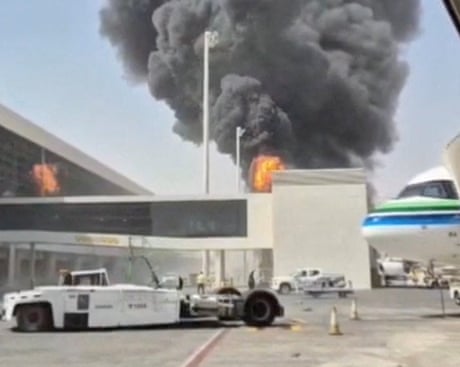
Three Saudis killed in Riyadh airport attack claimed by Houthis
REPORTMiddle East Eye15h ago
Morning update

REPORTAl Jazeera16h ago
Trump says US will not strike Iran before midterm elections
REPORTMiddle East Eye16h ago