Iran International
rightREPORTIran officials seek to show Supreme Leader still in charge - FT
Full BriefGenerated 56d ago
What Happened
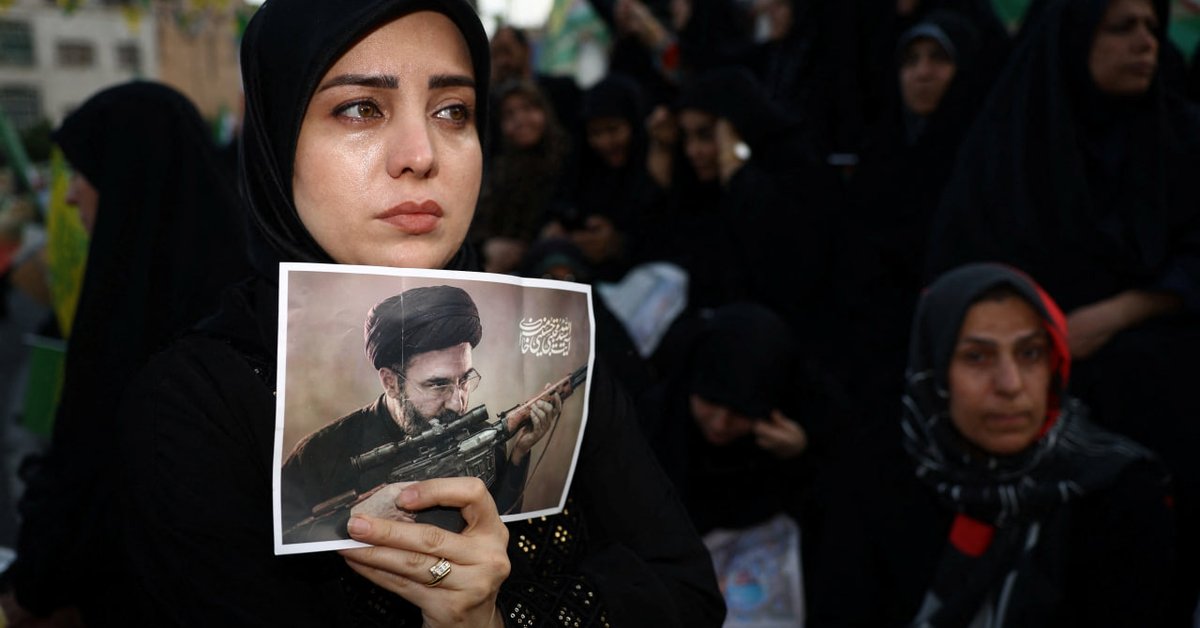
Iranian officials have issued recent public statements emphasizing that Supreme Leader Ayatollah Ali Khamenei retains ultimate authority over state decisions, including whether Tehran will accept any potential agreement with the United States to end ongoing hostilities, according to a Financial Times report published Thursday. The comments appear designed to reinforce Khamenei's control amid speculation about succession and decision-making power within Iran's leadership structure. The FT report does not specify which war the potential U.S. deal would address, nor does it detail the nature of the agreement under discussion or provide direct quotes from the Iranian officials making these statements.
Key Actors
- ·Ayatollah Ali Khamenei(Supreme Leader of Iran)Retains final authority over whether Iran accepts any U.S. deal, according to officials' statements reported by FT
- ·Iranian officials (unspecified)(Government representatives or spokespeople)Issued public comments emphasizing Khamenei's continued control over strategic decisions
- ·United States(Potential negotiating partner)Reportedly engaged in discussions with Iran over a deal to end unspecified hostilities
Why It Matters
The public emphasis on Khamenei's authority signals internal Iranian concerns about perceptions of leadership stability or succession dynamics at a moment when Tehran may be weighing significant strategic decisions. Any U.S.-Iran agreement would require Khamenei's approval under Iran's constitutional structure, making his health, decision-making capacity, and political standing critical variables for regional actors and Western negotiators. The timing of these statements suggests either active diplomatic negotiations or internal Iranian debate over how to respond to U.S. overtures, with officials seeking to preempt speculation that decision-making authority has shifted or fragmented within the regime.
Watch For
Monitor for further official Iranian statements clarifying which conflict or issue the reported U.S. deal addresses, as the FT report does not specify whether this concerns Iran's nuclear program, regional proxy activities, or bilateral tensions. Watch for any public appearances or statements directly from Khamenei himself, which would either confirm his active role or highlight his absence from key decision-making moments. Track U.S. State Department comments or leaks regarding the substance and status of any negotiations with Tehran, particularly any deadlines or framework agreements that would require Supreme Leader approval.
Generated 56d ago · Based on initial reportAuto-Compiled
This page aggregates and summarizes reporting from Iran International. The Conflict Pulse does not author original reporting. Read the original source for full coverage.
CONFLICT OVERVIEW
Iran
Latest verified updates on Iran’s regional confrontation, U.S.–Israeli strikes, missile retaliation, proxy networks, sanctions, and Strait of Hormuz risks.
SOURCE PERSPECTIVES
How outlets across the bias spectrum are covering this conflict.
left
Trump administration revision of Iran war casualties huge disrespect , say veterans | US military
theguardian.comTrump warns of return to ‘strong military action’ if Iran diplomacy fails
The Guardian Middle EastLATEST FROM IRAN