
BBC Middle East
centerREPORTHouthi attacks raise fears of wider Middle East conflict and more global economic damage
Full BriefGenerated 33d ago
What Happened
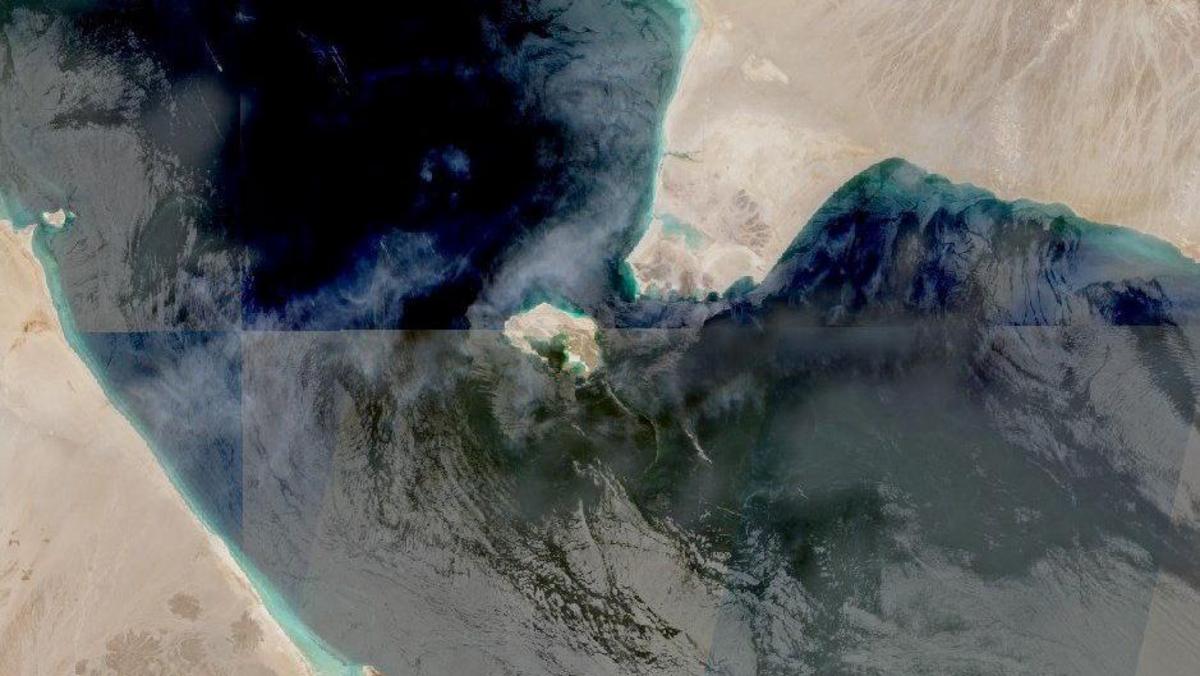
Yemen's Houthi fighters claimed to have attacked shipping in the Red Sea, hitting two Saudi vessels with missiles and turning back ten others after warning ships to avoid Saudi ports. This threatens to close the Bab El Mandeb Strait, the main maritime route from Europe to Asia. Concurrently, US Central Command has conducted twelve consecutive nights of airstrikes on Iranian coastal radar, drone, and missile bases, while Iran has effectively closed the Strait of Hormuz, disrupting global energy and fertiliser supplies. On Wednesday, a deal was announced allowing US firms to help Saudi Arabia develop a domestic civil nuclear power programme, raising fears of a regional arms race.
Key Actors
- ·Houthis (Ansar Allah)(Iran-backed Shia tribal group controlling much of Yemen)Claimed missile attacks on Saudi vessels and threatened to close the Bab El Mandeb Strait, entering the US-Iran conflict after a 2022 ceasefire with Saudi Arabia broke down.
- ·US Central Command (Centcom)(US military command responsible for the Middle East)Conducted twelve consecutive nights of airstrikes on Iranian coastal radar, drone, and missile bases, while President Trump vowed to 'take care of the Houthis.'
- ·Iran (IRGC)(Islamic Revolutionary Guard Corps, Iranian state military force)Effectively closed the Strait of Hormuz and launched retaliatory drone and ballistic missile strikes on Bahrain, Kuwait, and Jordan, which host US bases.
- ·Saudi Arabia(Gulf monarchy and key US regional partner)Attempting to distance itself from the US-Iran war while its Red Sea oil exports via Yanbu' Al-Bahr are threatened by Houthi attacks; also pursuing a US-backed civil nuclear deal.
Why It Matters
The simultaneous threat to two critical maritime chokepoints—the Strait of Hormuz and Bab El Mandeb—jeopardizes global energy and trade flows, with compounding economic damage. The Houthi action adds a new front to the US-Iran conflict, directly drawing Saudi Arabia into the crossfire and underscoring the widening scope of regional instability. The Saudi nuclear deal injects proliferation concerns, potentially accelerating an arms race amid already heightened military tensions.
Watch For
Whether Houthi threats escalate into a sustained disruption of Bab El Mandeb shipping, and the resulting impact on global oil prices and supply chains. Potential US military escalation against Houthi positions, including airstrikes or naval operations. Saudi Arabia's response—both militarily and diplomatically—and progress on the nuclear deal. Any diplomatic efforts to mediate the US-Iran conflict or revive the Saudi-Houthi ceasefire.
Generated 33d ago · Based on full articleAuto-Compiled
This page aggregates and summarizes reporting from BBC Middle East. The Conflict Pulse does not author original reporting. Read the original source for full coverage.
CONFLICT OVERVIEW
Iran
Latest verified updates on Iran’s regional confrontation, U.S.–Israeli strikes, missile retaliation, proxy networks, sanctions, and Strait of Hormuz risks.
SOURCE PERSPECTIVES
How outlets across the bias spectrum are covering this conflict.
LATEST FROM IRAN

REPORTMiddle East Eye11d ago
Iran formalises Strait of Hormuz control as US struggles to sustain war it launched with Israel

REPORTAl Jazeera11d ago
US threatens ‘indefinite’ blockade against Iran: How long can it last?

REPORTMiddle East Eye11d ago
Morning update
REPORTMiddle East Eye12d ago
Vance says US will end up 'in a stronger position' than Iran

REPORTJerusalem Post — Iran News12d ago
US Treasury Secretary Bessent says US to apply measures 'never seen before' on Iran

REPORTAl Jazeera12d ago