Al Jazeera
centerDEVELOPINGHopes of return to diplomacy as US-Iran hold fire for third day

Mediators from Qatar and Pakistan work to restart ceasefire talks amid fragile pause in hostilities.
Full BriefGenerated 45m ago
What Happened
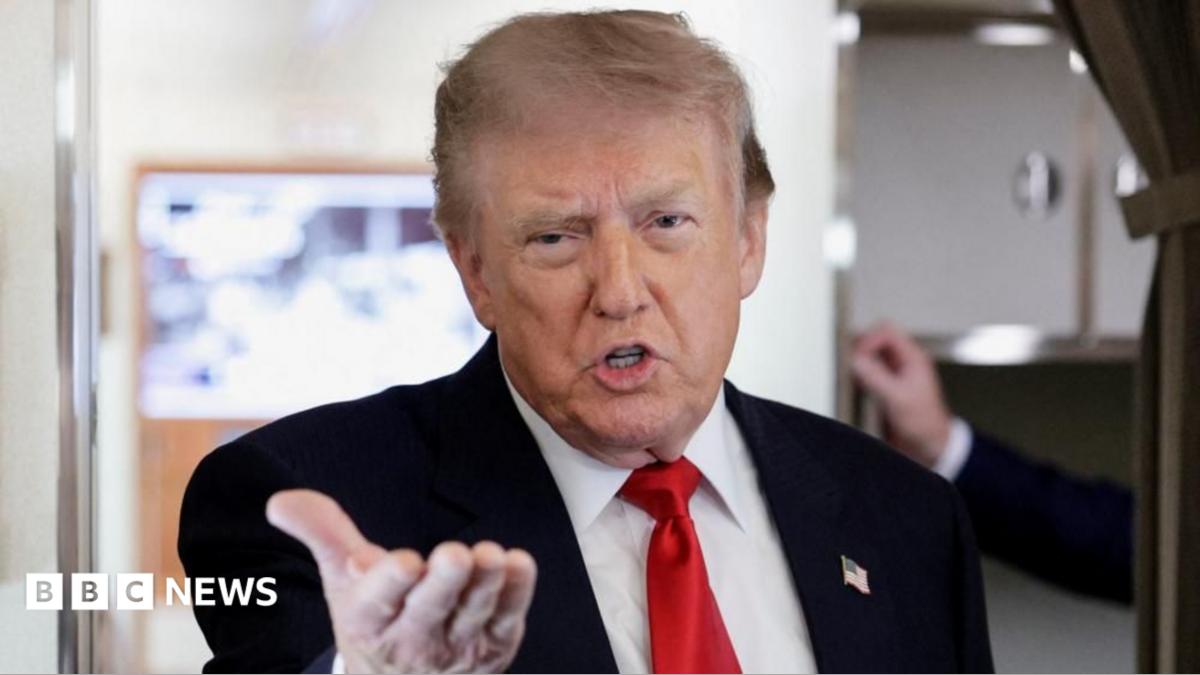
A fragile pause in hostilities between the United States and Iran entered its third day on Monday, as mediators from Qatar and Pakistan worked to restart ceasefire talks after a nearly two-week escalation, according to Middle East officials speaking anonymously. The US paused strikes on Saturday following attacks on Iranian coastal areas and infrastructure, triggered by Iran firing on ships transiting the Strait of Hormuz. Iran retaliated with missile and drone attacks on countries hosting US troops, killing three service members at a base in Jordan and one in Iraq, according to US officials. US President Donald Trump claimed Iran had requested a meeting and that 'we are having good talks,' but an Iranian Foreign Ministry spokesman insisted there are no direct negotiations, only mediators conveying messages. The US Central Command (CENTCOM) redirected 17 commercial vessels, disabled two, and boarded two to enforce a naval blockade. A dispute over passage tolls in the strait remains unresolved: Iran insists on a mandatory toll for ships using a lane closer to its coast, while Oman proposed a voluntary mechanism.
Key Actors
- ·United States(Counterpart to Iran, conducting military strikes and naval blockade)Paused strikes, claimed direct talks are ongoing, and enforced a naval blockade via CENTCOM.
- ·Iran(State actor and backer of regional armed groups)Downplayed negotiations, denied direct talks, and insisted on a mandatory toll for Strait of Hormuz passage.
- ·Mediators (Qatar and Pakistan)(Diplomatic intermediaries)Working to bridge gaps and restart talks based on a collapsed June memorandum of understanding.
- ·Oman(Gulf state proposing a compromise on Strait of Hormuz transit)Proposed a voluntary toll mechanism; some progress reported over the weekend, but parties remain far apart.
Why It Matters
The Strait of Hormuz is a critical chokepoint for global oil shipments, and any disruption or imposition of tolls could reshape maritime trade and energy markets. The fragile pause and backchannel diplomacy indicate potential to avoid wider conflict, but Iran’s continued drone attacks on neighboring states and US threats underscore the risk of renewed escalation. The outcome of the toll dispute may set a precedent for Iran’s ability to project power over key waterways.
Watch For
Monitor whether the ceasefire holds and mediators manage to convene direct or indirect talks in the coming days. Watch for any US or Iranian military moves around the strait, particularly CENTCOM’s enforcement actions and Iranian threats to shipping. The proposal by Oman on tolls will be a key point of negotiation, and any agreement could be announced. Also observe official statements from Tehran, Washington, and regional allies for signs of de-escalation or renewed ultimatums.
Generated 45m ago · Based on full articleAuto-Compiled
This page aggregates and summarizes reporting from Al Jazeera. The Conflict Pulse does not author original reporting. Read the original source for full coverage.
CONFLICT OVERVIEW
Iran
Latest verified updates on Iran’s regional confrontation, U.S.–Israeli strikes, missile retaliation, proxy networks, sanctions, and Strait of Hormuz risks.
SOURCE PERSPECTIVES
How outlets across the bias spectrum are covering this conflict.
LATEST FROM IRAN