LIVE
Conflict Pulse
· · VERIFIED SOURCES
All RegionsUkraine–RussiaIranIsrael–PalestineUnited StatesEthiopia / TigraySudan / DarfurMyanmarLebanonVenezuela
The Guardian Europe
leftREPORT

From V2 rocket-scarred London to Ukraine: how nature thrives in bomb craters

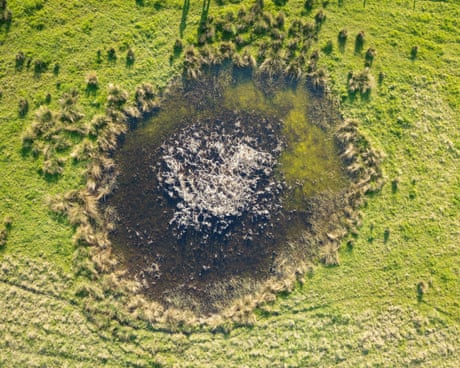
In the UK capital, Bomb Crater Pond is full of wildlife, while scientists studying land obliterated by recent Russian blasts 1,500 miles away have seen ‘how quickly nature begins to heal itself’In February 1945, towards the end of the second world war, a German V2 rocket struck Walthamstow Marshes in east London. The explosion tore a crater into the marshland.

Full BriefGenerated 155d ago
What Happened
Scientists studying bomb craters in Ukraine and a V2 rocket crater from 1945 in London's Walthamstow Marshes have documented rapid ecological recovery in blast sites. The London crater, created by a German V2 strike in February 1945, has transformed into a wildlife-rich pond known as Bomb Crater Pond. Researchers examining sites in Ukraine damaged by recent Russian strikes observed similar patterns of natural regeneration, with ecosystems beginning to recover shortly after bombardment despite the destruction of the original landscape.
Key Actors
  • ·
    Scientists studying crater ecology(Researchers documenting ecological recovery in conflict zones)Observed rapid natural regeneration in both historical London bomb sites and recent Ukrainian blast craters from Russian strikes.
  • ·
    Russian Armed Forces(Military force conducting strikes in Ukraine)Created the recent blast craters in Ukraine that are now subjects of ecological study.
Why It Matters
The research provides empirical evidence that ecosystems can recover from large-scale explosive damage within relatively short timeframes, offering a framework for understanding the long-term environmental trajectory of Ukraine's heavily bombarded territories. With thousands of craters now scarring Ukrainian land from ongoing Russian bombardment, the London precedent suggests that even severely damaged landscapes may support biodiversity recovery once hostilities cease, though the timeline and extent depend on contamination levels and subsequent land use.
Watch For
Monitor publication of detailed ecological surveys from Ukrainian blast sites, particularly studies measuring soil contamination, species colonization rates, and comparisons with historical European conflict zones. Track whether Ukrainian environmental agencies or international bodies establish formal monitoring programs for crater sites, and whether findings influence post-war land restoration planning or demining prioritization strategies.
Generated 155d ago · Based on full article
Auto-Compiled
From V2 rocket-scarred London to Ukraine: how nature thrives in bomb craters
DAILY BRIEFING

Follow Ukraine–Russia

Get a daily briefing with the most critical developments from every active conflict zone. Concise. Verified. Free.

No spam. Unsubscribe anytime. Verified sources only.

This page aggregates and summarizes reporting from The Guardian Europe. The Conflict Pulse does not author original reporting. Read the original source for full coverage.
READ ORIGINAL

Ukraine–Russia

Latest verified updates on Russia’s war in Ukraine, frontline shifts, drone warfare, Western support, occupied territories, and ceasefire diplomacy.

Active since February 2014

Recent reporting from this region. These stories may cover different events.

This selection currently contains center-leaning sources.

VIEW ALL UKRAINE–RUSSIA COVERAGE →