dw.com
centerREPORTEthiopia PM Abiy Ahmed : From Nobel winner to war commander
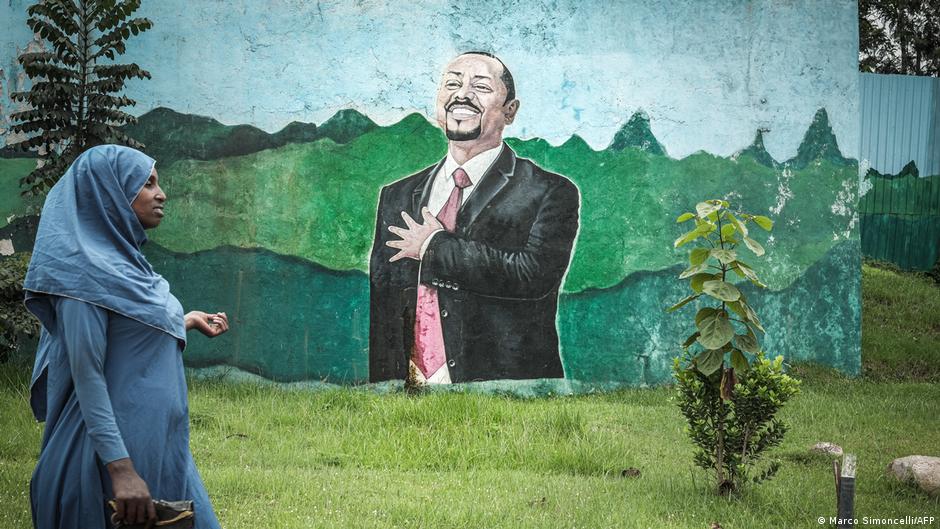
Ethiopia PM Abiy Ahmed : From Nobel winner to war commander
Full BriefGenerated 2d ago
What Happened
Ethiopia’s National Election Board released results of the June 1, 2026 federal elections on June 21, showing Prime Minister Abiy Ahmed’s Prosperity Party secured nearly 90% of parliamentary seats. Voting was suspended in numerous polling stations due to security concerns, and no voting was conducted in the Tigray region for the second consecutive election since the 2020–2022 Tigray War. Abiy now awaits a formal vote by the House of Peoples’ Representatives to continue as prime minister. The article recaps his trajectory from Nobel Peace Prize laureate to commander in a devastating war against the Tigray People’s Liberation Front (TPLF) that formally ended with the November 2022 Pretoria Agreement, while noting that federal forces are currently battling the Fano militia in Amhara and Eritrean troops reportedly remain in parts of Tigray.
Key Actors
- ·Abiy Ahmed(Prime Minister of Ethiopia, chairman of the Prosperity Party)Poised to secure another term after his party’s electoral victory; continues to lead military campaigns against the Fano militia in Amhara and contends with unresolved post-Pretoria tensions in Tigray.
- ·Prosperity Party(Ruling political party formed by Abiy Ahmed in 2019)Won nearly 90% of seats in the June 2026 election, consolidating political control amid incomplete implementation of the Tigray peace deal and active insurgencies.
- ·Fano militia(Decentralized Amhara armed groups, formerly allied with the ENDF during the Tigray War)Currently fighting federal forces in the Amhara region, presenting a major internal security challenge to Abiy’s government post-election.
- ·Tigray region(Northern region still recovering from the 2020–2022 war)No elections held for the second time; ongoing implementation of the Pretoria Agreement remains uneven, with Eritrean forces reportedly still present.
Why It Matters
The election consolidates Abiy Ahmed’s grip on power despite multiple unresolved internal conflicts and a fractured international reputation. With the Tigray peace deal stalled, an active Fano insurgency in Amhara, and tensions over the Grand Ethiopian Renaissance Dam with downstream neighbors, Ethiopia’s trajectory affects regional stability in the Horn of Africa. The exclusion of Tigray from the vote also deepens the political marginalization that fuelled the 2020 war, risking renewed unrest.
Watch For
The formal election of Abiy Ahmed by the House of Peoples’ Representatives and subsequent government formation. Monitor for renewed federal–TPLF talks on Pretoria implementation, particularly regarding Western Tigray and Eritrean withdrawal. Watch whether the Fano insurgency intensifies or leads to negotiations, and whether security conditions allow for a delayed election in Tigray. Regional reactions, especially from Eritrea, Somalia, and Egypt, to Abiy’s renewed mandate will also be telling.
Generated 2d ago · Based on full articleAuto-Compiled
This page aggregates and summarizes reporting from dw.com. The Conflict Pulse does not author original reporting. Read the original source for full coverage.
CONFLICT OVERVIEW
Ethiopia / Tigray
Latest verified updates on Ethiopia’s Tigray crisis, Amhara and Oromia insurgencies, federal tensions, humanitarian conditions, and Horn of Africa risks.
Active since November 2020
SOURCE PERSPECTIVES
How outlets across the bias spectrum are covering this conflict.
Limited perspective coverage. Only center-leaning sources currently tracked for this region.
LATEST FROM ETHIOPIA / TIGRAY