
DW News
centerREPORTCould Iran become America's next 'forever war?'
The ceasefire has collapsed, attacks are escalating and shipping in the Strait of Hormuz remains under threat. Is the US drifting into another open-ended conflict with no clear way out?.
Full BriefGenerated 101d ago
What Happened
As of July 23, 2026, the truce between the United States and Iran is effectively dead, with daily exchanges of air raids, drone attacks, and missile launches resuming. Washington has intensified airstrikes on targets across Iran, including infrastructure such as railways and port facilities, while Tehran continues to attack U.S. positions and regional allies, striking sites in Gulf countries and disrupting shipping in the Strait of Hormuz. Iranian-backed Houthi rebels have threatened Saudi Arabia's maritime trade routes, expanding the conflict's geographical scope. Diplomatic efforts stalled after Iranian Interior Minister Eskandar Momeni traveled to Pakistan in an attempt to revive talks, but U.S. President Donald Trump stated on Tuesday that the U.S. had 'no interest in meeting.' Analysts from the Stimson Center and Sibylline warn that the conflict is evolving into a war of attrition, with no clear path to de-escalation, as each side's residual capacities allow continued disruption and strikes.
Key Actors
- ·United States(Military and political actor)Escalating air strikes across Iran, rejecting negotiations; President Trump signaled the campaign could intensify further.
- ·Iran(State actor)Continuing attacks on U.S. positions and Gulf allies, disrupting Hormuz shipping; warns strikes on nuclear sites could trigger major escalation.
- ·Houthis (Ansar Allah)(Iran-backed rebel group)Threatened Saudi Arabia's maritime trade routes, drawing a second strategic chokepoint into the conflict.
- ·Eskandar Momeni(Iranian Interior Minister)Traveled to Pakistan to attempt to revive ceasefire talks, as prospects for a breakthrough remain slim.
Why It Matters
The conflict risks becoming an open-ended 'forever war' comparable to past U.S. interventions, with cycles of air strikes and no lasting political settlement. The disruption of the Strait of Hormuz, through which roughly a fifth of the world's traded oil and gas once passed, threatens global energy markets and economic stability. The involvement of Houthis in threatening Saudi routes widens the conflict, potentially drawing in GCC states and exacerbating regional instability. Shifting U.S. objectives—from regime change and nuclear program elimination to a focus on reopening the strait—echo unresolved earlier campaigns and raise concerns about mission creep without a clear exit strategy.
Watch For
Monitor diplomatic backchannels, particularly via Pakistan and Oman, for any resumption of talks or further rejection. Watch for escalation if U.S. strikes hit Iranian nuclear or energy infrastructure, triggering Iranian retaliation against Gulf or Levant targets. Track shipping insurance rates and maritime traffic through the Strait of Hormuz as an indicator of disruption levels. Observe Houthi attacks on Saudi maritime routes for signs of a wider regional conflict. Pay attention to any new U.S. statements refining war aims or signaling potential off-ramps.
Generated 101d ago · Based on full articleAuto-Compiled
NO IMAGE AVAILABLEDW News
DAILY BRIEFING
Follow Iran
Get a daily briefing with the most critical developments from every active conflict zone. Concise. Verified. Free.
No spam. Unsubscribe anytime. Verified sources only.
This page aggregates and summarizes reporting from DW News. The Conflict Pulse does not author original reporting. Read the original source for full coverage.
CONFLICT OVERVIEW
Iran
Latest verified updates on Iran’s regional confrontation, U.S.–Israeli strikes, missile retaliation, proxy networks, sanctions, and Strait of Hormuz risks.
MORE REPORTING ON THIS REGION
Recent reporting from this region. These stories may cover different events.
LATEST FROM IRAN

DEVELOPINGJerusalem Post — Iran News11h ago
'Some optimism' in US-Iran negotiations despite major disagreements, sources tell 'Post'

REPORTAl Jazeera12h ago
How will the Iran war shape the outcome of the US midterm vote?
REPORTJerusalem Post — Iran News13h ago
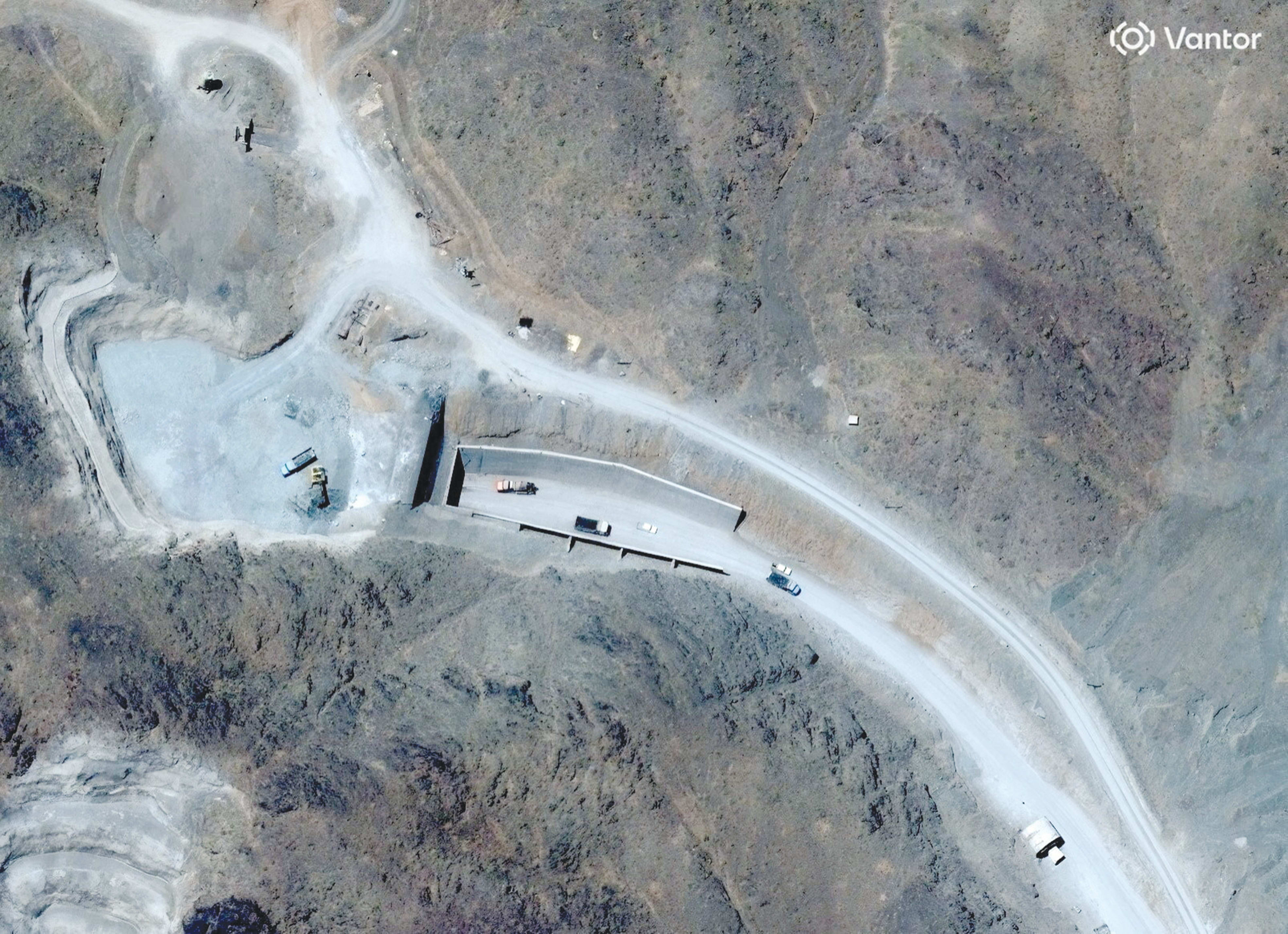
Israel, US have plan ready for third Iran war, Tehran's hidden weapons pose challenges - analysis

REPORTJerusalem Post — Iran News14h ago
Iran has a hidden network of military agencies managing to smuggle hardware past US blockade
REPORTJerusalem Post — Iran News16h ago
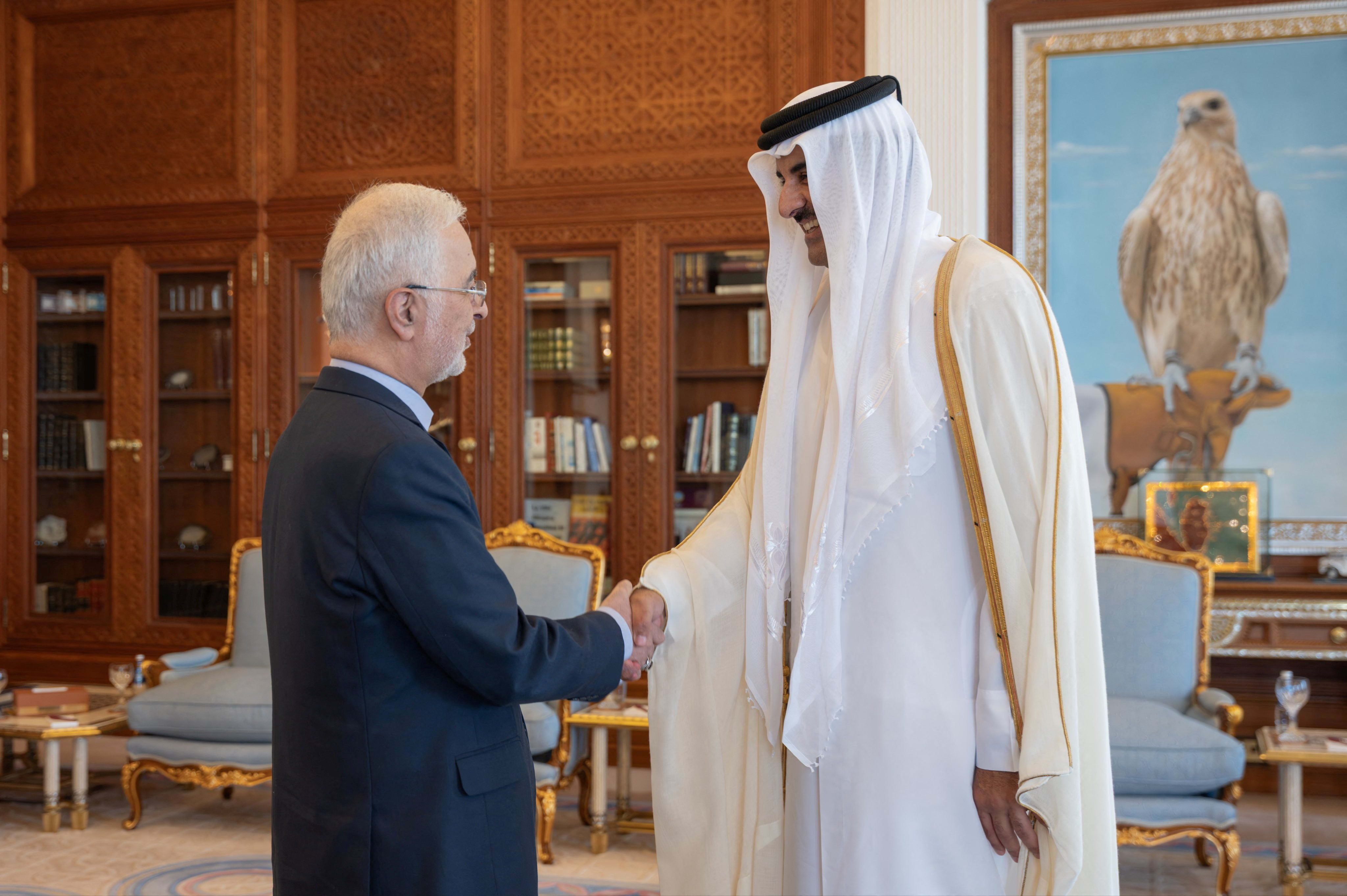
Iranian negotiators in Doha to continue talks to end the US-Iran war, official says

REPORTMiddle East Eye17h ago