
BBC Middle East
centerREPORTAs the US pauses the war with Iran, is Trump really running out of weapons?
Full BriefGenerated 97d ago
What Happened
Following the conclusion of Operation Epic Fury on 8 April, which involved US forces striking over 13,000 targets across Iran and intercepting 1,700 Iranian drones and ballistic missiles, the US has entered a pause in hostilities to facilitate negotiations. The conflict, which the White House reports cost $37.5bn, has significantly depleted US munitions stockpiles, specifically Tomahawk Land Attack Missiles, Patriot interceptors, and Terminal High Altitude Area Defense (THAAD) systems. While President Donald Trump denied reports of a shortfall, Secretary of War Pete Hegseth informed the Senate Appropriations Committee that the Pentagon requires an additional $87bn to address critical equipment and supply deficits.
Key Actors
- ·Donald Trump(US President)Advocates for increased domestic weapons production while maintaining that US munitions stockpiles remain sufficient.
- ·Pete Hegseth(US Secretary of War)Requested $87bn from the Senate Appropriations Committee to address critical military equipment shortfalls.
- ·Center for Strategic and International Studies (CSIS)(Washington DC-based think tank)Estimates that US forces expended over 1,000 Tomahawks and 1,430 Patriot interceptors, noting that replenishment could take until 2031.
Why It Matters
The depletion of high-end munitions during the conflict with Iran has created what analysts describe as a 'window of vulnerability' for US military readiness. With production timelines for systems like the Tomahawk and THAAD spanning several years, the US faces potential constraints in its ability to project power or respond to contingencies in other theaters, most notably the Pacific, where military planners monitor the risk of a potential Chinese effort to invade Taiwan.
Watch For
Monitor the progress of the current ceasefire negotiations and any subsequent congressional action regarding the $87bn funding request for the Pentagon. Additionally, observe US military procurement reports for evidence of accelerated production timelines or shifts in strategic stockpiling priorities as the administration balances post-conflict replenishment with the 'Davidson window' security concerns in the Pacific.
Generated 97d ago · Based on full articleAuto-Compiled

DAILY BRIEFING
Follow Iran
Get a daily briefing with the most critical developments from every active conflict zone. Concise. Verified. Free.
No spam. Unsubscribe anytime. Verified sources only.
This page aggregates and summarizes reporting from BBC Middle East. The Conflict Pulse does not author original reporting. Read the original source for full coverage.
CONFLICT OVERVIEW
Iran
Latest verified updates on Iran’s regional confrontation, U.S.–Israeli strikes, missile retaliation, proxy networks, sanctions, and Strait of Hormuz risks.
MORE REPORTING ON THIS REGION
Recent reporting from this region. These stories may cover different events.
LATEST FROM IRAN
DEVELOPINGJerusalem Post — Iran News9h ago
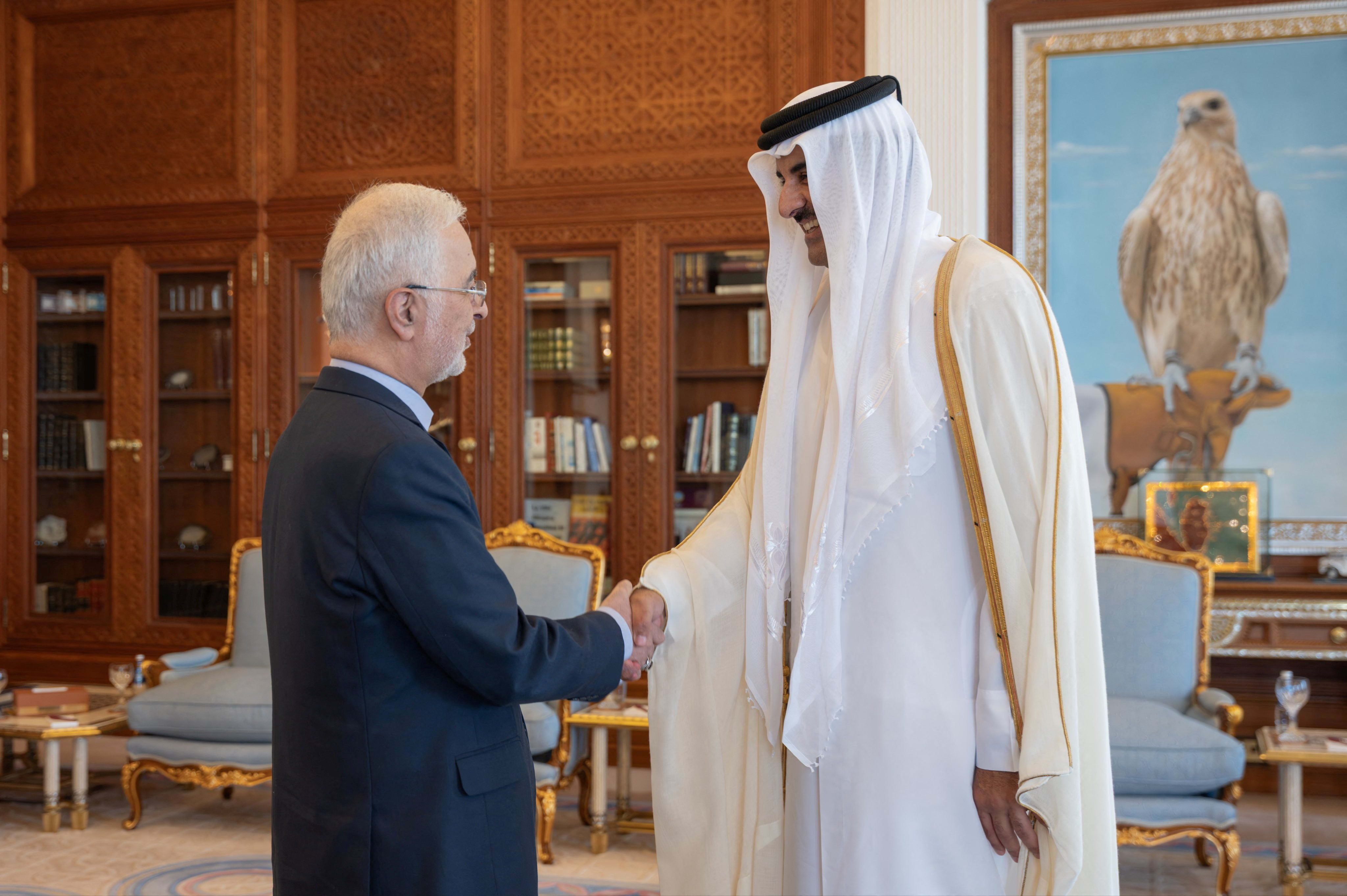
Iranian negotiators in Doha to continue talks to end the US-Iran war, official says

DEVELOPINGAl Jazeera10h ago
Iran and US explore diplomacy amid rising threats of war
DEVELOPINGJerusalem Post — Iran News11h ago
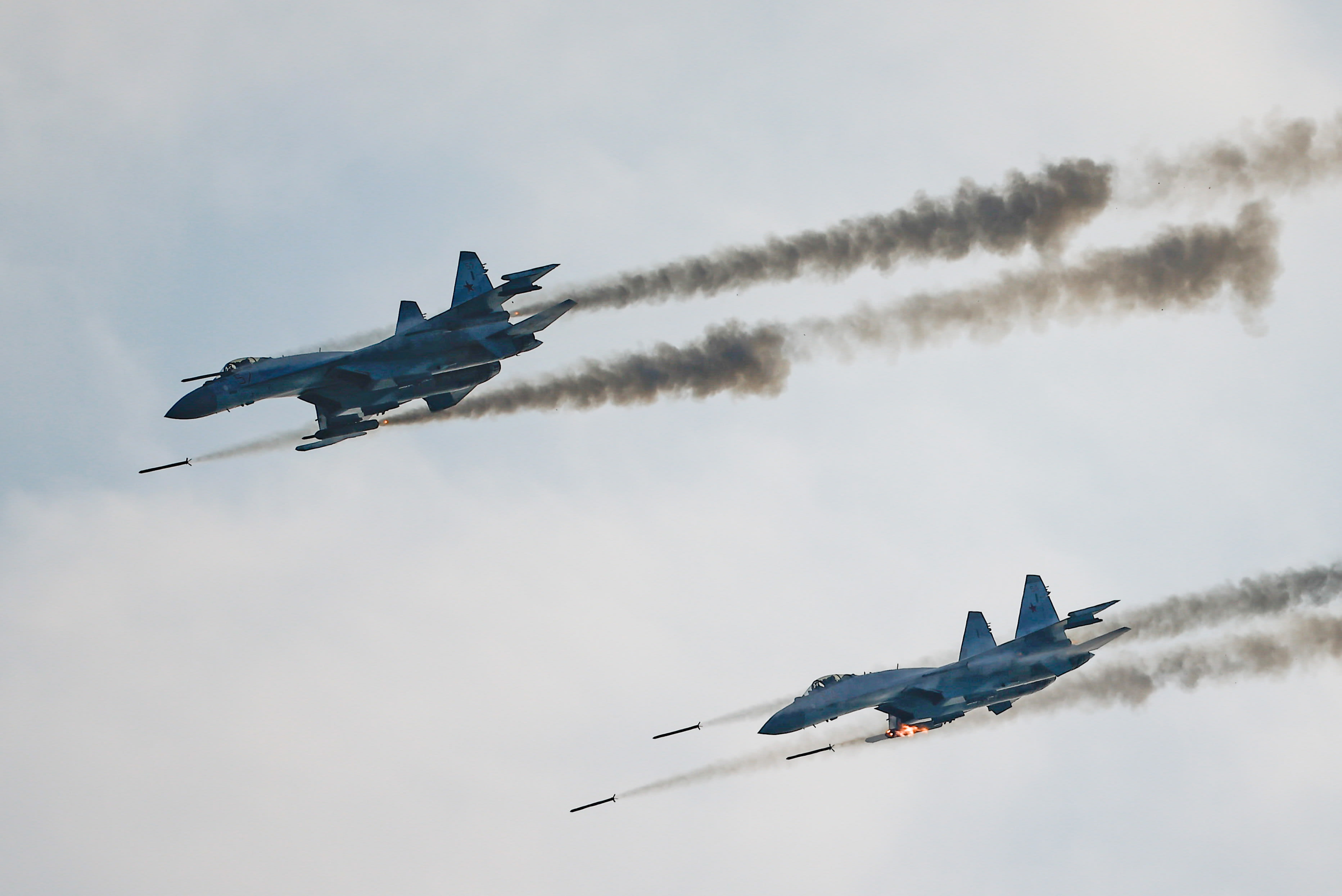
Iran to receive Russian Su-35 fighter jets after US-Iran war ends, IRGC spokesman says - report

REPORTMiddle East Eye12h ago
Iran has 'no intention' to engage in peace talks with US as war looms

REPORTNaharnet12h ago
Aoun doesn't trust Hezbollah's assurances despite 'timid dialogue'

REPORTAl Jazeera12h ago