The Guardian Middle East
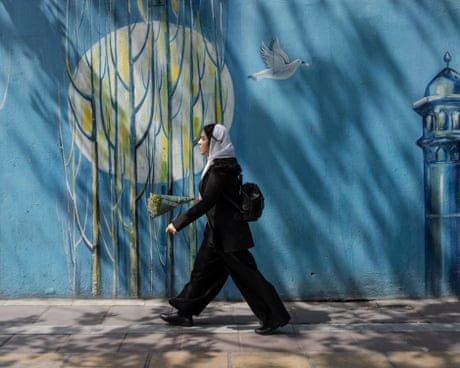
leftA veneer of normality has returned to Tehran but fears for the future are rife
Full BriefGenerated 10h ago
What Happened
In the weeks following a fragile ceasefire between Iran, the United States, and Israel, Tehran has experienced a superficial return to normalcy, with security checkpoints removed, public spaces reopening, and daily routines resuming. However, beneath this veneer, residents express deep anxieties about the potential for renewed conflict and ongoing economic hardships. The ceasefire has not resolved underlying tensions, and the population remains acutely aware that hostilities could resume at any moment, leaving the city in a state of uneasy calm rather than genuine stability.
Key Actors
- ·Iran(Islamic Republic of Iran, party to the ceasefire)Has entered a fragile ceasefire with the US and Israel, allowing a temporary easing of visible security measures in Tehran while underlying tensions persist.
- ·United States(US government, party to the ceasefire)Participant in the ceasefire agreement with Iran, though the durability and terms of the arrangement remain uncertain.
- ·Israel(Israeli government, party to the ceasefire)Engaged in the ceasefire with Iran, but the agreement has not eliminated the threat of renewed military escalation.
- ·Tehran residents(Civilian population of Iran's capital)Experiencing a return to daily routines but remain fearful of economic instability and the possibility of war resuming without warning.
Why It Matters
The fragile ceasefire between Iran, the US, and Israel represents a temporary de-escalation in a region where tensions have repeatedly flared into direct military confrontation, including Iranian missile strikes on Israel and Israeli strikes on Iranian territory. Tehran's superficial return to normalcy masks profound public anxiety about economic collapse and the resumption of hostilities, reflecting the broader instability of the agreement. If the ceasefire collapses, it could trigger a wider regional conflict involving Iranian proxies, Israeli military operations, and potential US intervention, with significant implications for energy markets, regional alliances, and the security of critical infrastructure across the Middle East.
Watch For
Monitor for any breakdown in the ceasefire terms, including renewed Israeli strikes on Iranian nuclear or military facilities, Iranian proxy attacks in Iraq, Syria, or Lebanon, or US sanctions enforcement actions that could provoke Tehran. Watch for public statements from Iranian Supreme Leader Ali Khamenei or the Islamic Revolutionary Guard Corps (IRGC) signaling a shift in posture, as well as any scheduled diplomatic engagements between the parties that could either solidify or unravel the agreement. Track economic indicators in Iran, including inflation rates and currency devaluation, as worsening conditions could fuel domestic unrest or push the government toward more aggressive external actions to rally public support.
Generated 10h ago · Based on full articleAuto-Compiled
This page aggregates and summarizes reporting from The Guardian Middle East. The Conflict Pulse does not author original reporting. Read the original source for full coverage.
CONFLICT OVERVIEW
Iran
Internal political tensions, regional proxy conflicts, and international standoffs regarding Iran's nuclear program and geopolitical influence.
SOURCE PERSPECTIVES
How outlets across the bias spectrum are covering this conflict.
left
Middle East crisis live: Iran’s top negotiator says US aiming to force Tehran’s ‘surrender’
The Guardian Middle EastTrump tells Iran to accept deal or face new wave of US bombing
The Guardian AsiaLATEST FROM IRAN