
Al Jazeera
centerREPORTWhy is Iran bombing Gulf states while avoiding US naval assets and Israel?
Analysts say Iran is using Gulf states to pressure Washington while avoiding direct confrontation with US forces.
Full BriefGenerated 107d ago
What Happened
The Islamic Revolutionary Guard Corps (IRGC) has reportedly targeted civilian airports, water desalination facilities, and power stations in Kuwait and Bahrain in response to ongoing United States military strikes against Iranian infrastructure. These US operations, which began in late February following orders from President Donald Trump, have reportedly damaged railway stations, power facilities, and telecommunications networks within Iran. While Iranian officials claim these strikes are justified by the alleged use of Gulf military bases for US operations, Kuwaiti and regional analysts reject these claims as propaganda, noting that US strikes are launched from the USS George W. Bush and USS Abraham Lincoln aircraft carriers.
Key Actors
- ·IRGC(Iranian military branch)Conducting strikes against civilian infrastructure in Kuwait and Bahrain to pressure the United States.
- ·United States(Military power)Executing strikes against Iranian infrastructure from aircraft carriers positioned approximately 150km from the Iranian coast.
- ·Kuwait(Gulf state)Maintaining that its territory is not used for attacks against Iran while suffering damage to critical civilian infrastructure.
Why It Matters
The conflict highlights a strategic shift where Iran is targeting regional neighbors to indirectly pressure the United States, while both Tehran and Washington appear to be avoiding direct engagement with each other's primary military assets to prevent a broader regional war. The targeting of essential civilian infrastructure, such as water desalination plants during summer, risks significant humanitarian consequences and further regional instability.
Watch For
Monitor for potential escalation if Iranian strikes result in significant civilian casualties in Gulf states, which analysts suggest could force a shift in regional security postures. Additionally, observe the status of the June memorandum of understanding between the United States and Iran, as both parties continue to trade accusations of violating the ceasefire agreement.
Generated 107d ago · Based on full articleAuto-Compiled

DAILY BRIEFING
Follow Iran
Get a daily briefing with the most critical developments from every active conflict zone. Concise. Verified. Free.
No spam. Unsubscribe anytime. Verified sources only.
This page aggregates and summarizes reporting from Al Jazeera. The Conflict Pulse does not author original reporting. Read the original source for full coverage.
CONFLICT OVERVIEW
Iran
Latest verified updates on Iran’s regional confrontation, U.S.–Israeli strikes, missile retaliation, proxy networks, sanctions, and Strait of Hormuz risks.
MORE REPORTING ON THIS REGION
Recent reporting from this region. These stories may cover different events.
LATEST FROM IRAN

DEVELOPINGJerusalem Post — Iran News11h ago
Iran's strategic patience in negotiation with Trump pays off after US midterm election - analysis
REPORTJerusalem Post — Iran News14h ago
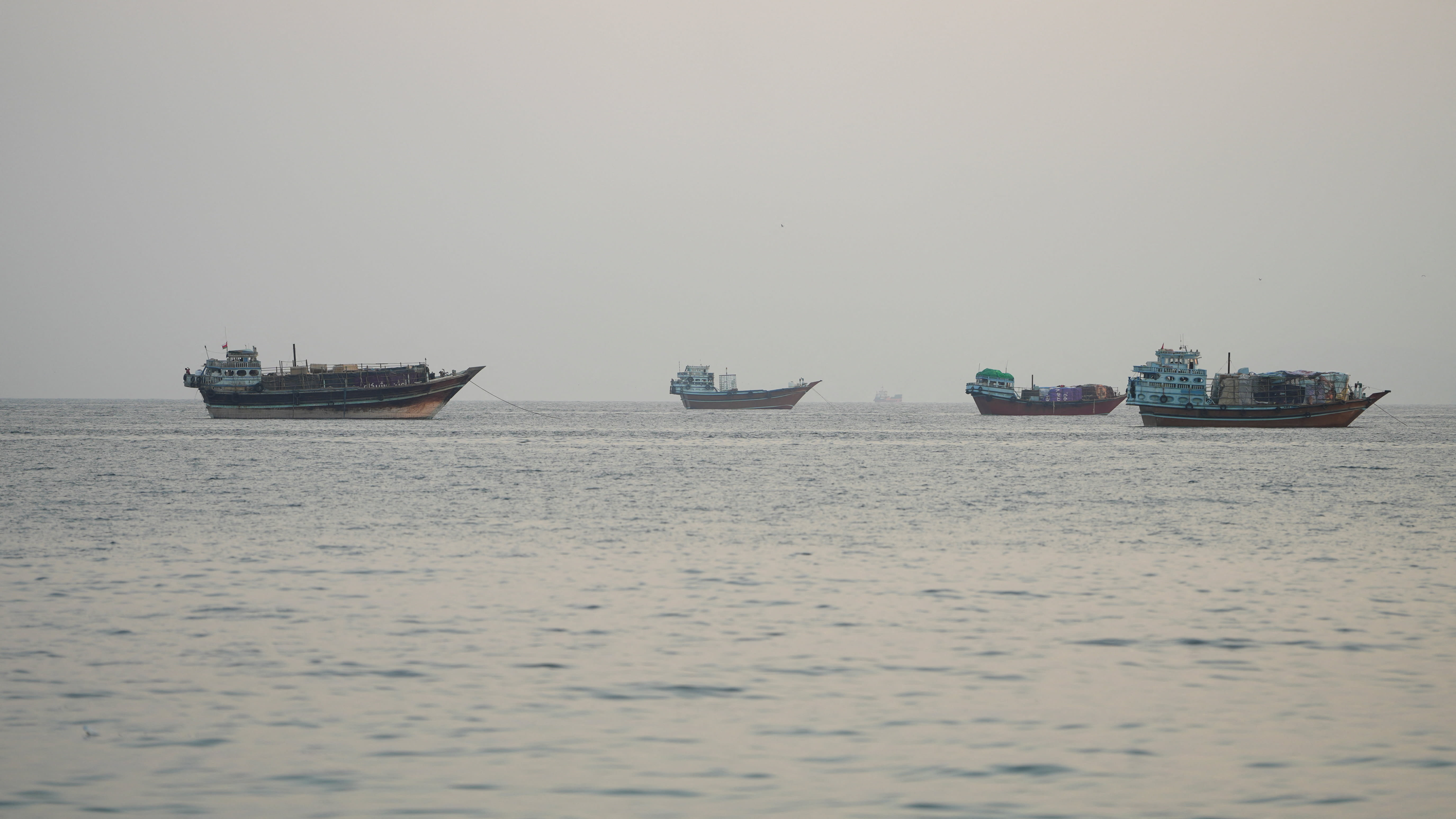
Four oil tankers destroyed by naval mines in Strait of Hormuz, IRGC announces

REPORTMiddle East Eye16h ago
Trump acknowledges Iran played role in Republican midterm losses
REPORTMiddle East Eye17h ago
Iran's top negotiator Ghalibaf says Americans voted 'no to war'
REPORTJerusalem Post — Iran News21h ago
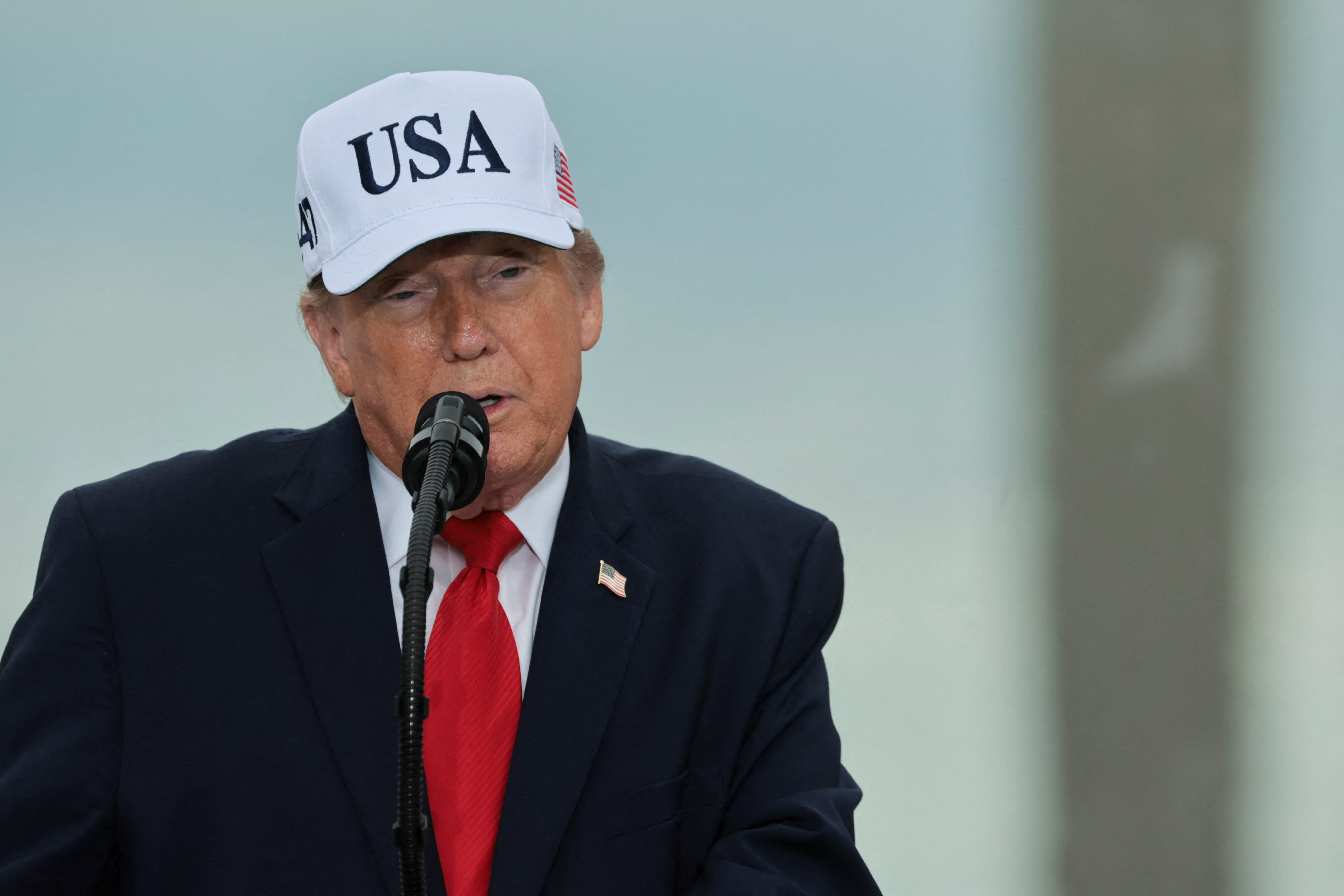
Trump says US has no immediate plans to strike Iran, ‘getting everything we want’ in negotiations
REPORTMiddle East Eye23h ago