
Jerusalem Post — Iran News
rightREPORTWhy Iran's new push for a deal to end the war appears to be stalling - analysis
Iran proposed a plan to reopen the Strait of Hormuz for a seven-day ceasefire, but the US seems uninterested as it wants something more to show from six months of conflict.
Full BriefGenerated 7d ago
What Happened
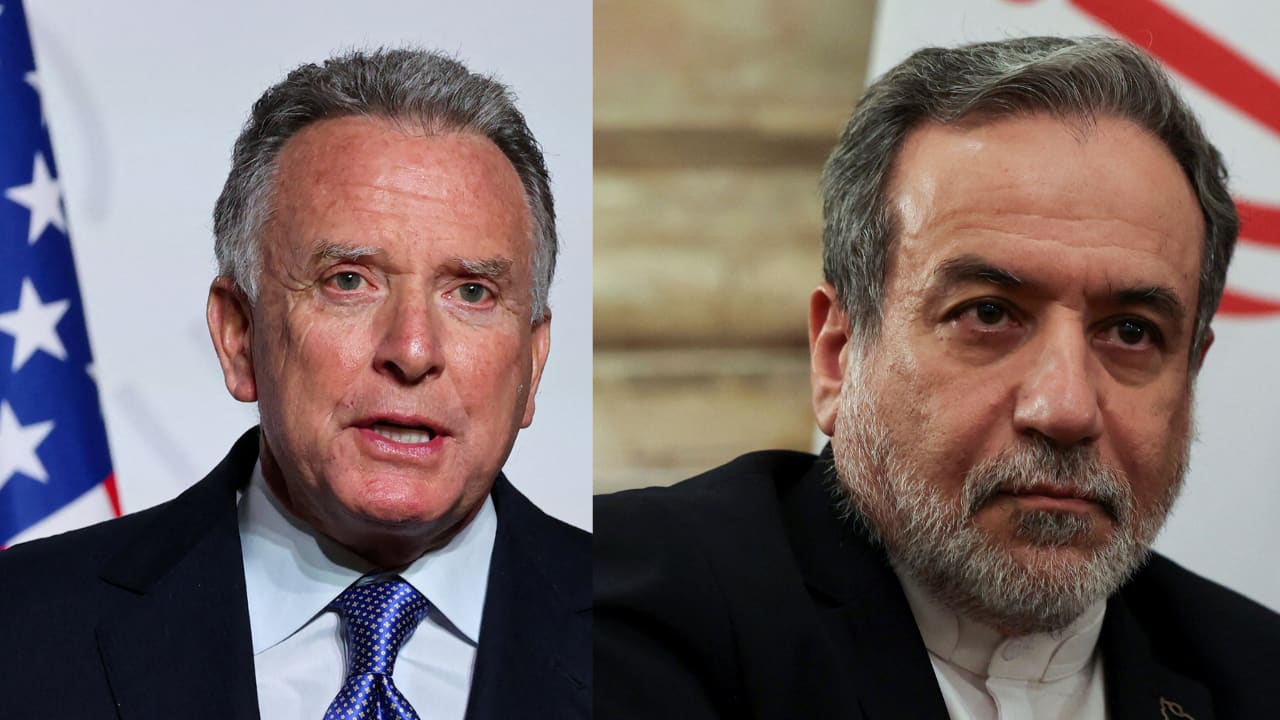
Iranian Foreign Minister Abbas Araghchi said on Saturday in New York that Tehran had not received a formal US response to its proposal for a seven-day reopening of the Strait of Hormuz, despite having presented the plan more than a week earlier. US President Donald Trump told Rudaw Media Network at the White House that he had 'rejected' the proposal, and Iranian state broadcaster Islamic Republic of Iran Broadcasting quoted Araghchi as saying: 'We saw the first reaction from the US president, but nothing has yet been conveyed to us by the mediators.' Rudaw Media Network, citing an Iranian diplomat, reported that Iran's conditions for reopening the strategic waterway include the release of frozen assets, an end to the war on all fronts including Lebanon, and the lifting of the US naval blockade of Iran. Araghchi and US Special Envoy Steve Witkoff held talks on Tuesday through Qatari mediators on the sidelines of the 81st United Nations General Assembly.
Key Actors
- ·Abbas Araghchi(Iranian Foreign Minister)Said Iran proposed a seven-day reopening of the Strait of Hormuz and had not received a formal response from Washington.
- ·Donald Trump(US President)Told Rudaw at the White House that he rejected Iran's proposal to reopen the Strait of Hormuz within seven days.
- ·Steve Witkoff(US Special Envoy)Met Araghchi through Qatari mediators on Tuesday at the 81st UN General Assembly.
Why It Matters
The Strait of Hormuz is a critical chokepoint, and Iran has made its reopening the central bargaining chip in an attrition conflict that the US has so far declined to relieve. The analysis argues that Washington sees no incentive to accept a short-term deal that benefits Iran without a larger win on preventing Iranian nuclear weapons, while Tehran is binding its own negotiators and believes time is on its side; with both sides perceiving themselves as winning, an agreement is unlikely in the near term.
Watch For
Monitor whether Qatari mediators deliver a formal US response to Tehran and whether Iran adjusts or lowers its conditions. Watch for any change in the US naval blockade or Strait of Hormuz shipping status, further sideline contacts after the 81st UN General Assembly, and US midterm election timing, which Trump referenced as a possible point for a deal.
Generated 7d ago · Based on full articleAuto-Compiled
DAILY BRIEFING
Follow Iran
Get a daily briefing with the most critical developments from every active conflict zone. Concise. Verified. Free.
No spam. Unsubscribe anytime. Verified sources only.
This page aggregates and summarizes reporting from Jerusalem Post — Iran News. The Conflict Pulse does not author original reporting. Read the original source for full coverage.
CONFLICT OVERVIEW
Iran
Latest verified updates on Iran’s regional confrontation, U.S.–Israeli strikes, missile retaliation, proxy networks, sanctions, and Strait of Hormuz risks.
MORE REPORTING ON THIS REGION
Recent reporting from this region. These stories may cover different events.
LATEST FROM IRAN

DEVELOPINGAl Jazeera8h ago
War on Iran: Is escalation more likely than a deal?

DEVELOPINGMiddle East Eye10h ago
Iran airlines resume flights to Iraq’s Najaf after US exemption

REPORTMiddle East Eye13h ago
US response to Hormuz proposal currently 'under review' by Tehran

REPORTAl Jazeera15h ago
Iran says Hormuz to remain closed until US meets conditions
REPORTMiddle East Eye18h ago
Iran says Hormuz Strait to remain closed until US meets seven conditions
REPORTMiddle East Eye18h ago