BBC Middle East
centerDEVELOPINGWhy Iran is risking so much over the Strait of Hormuz
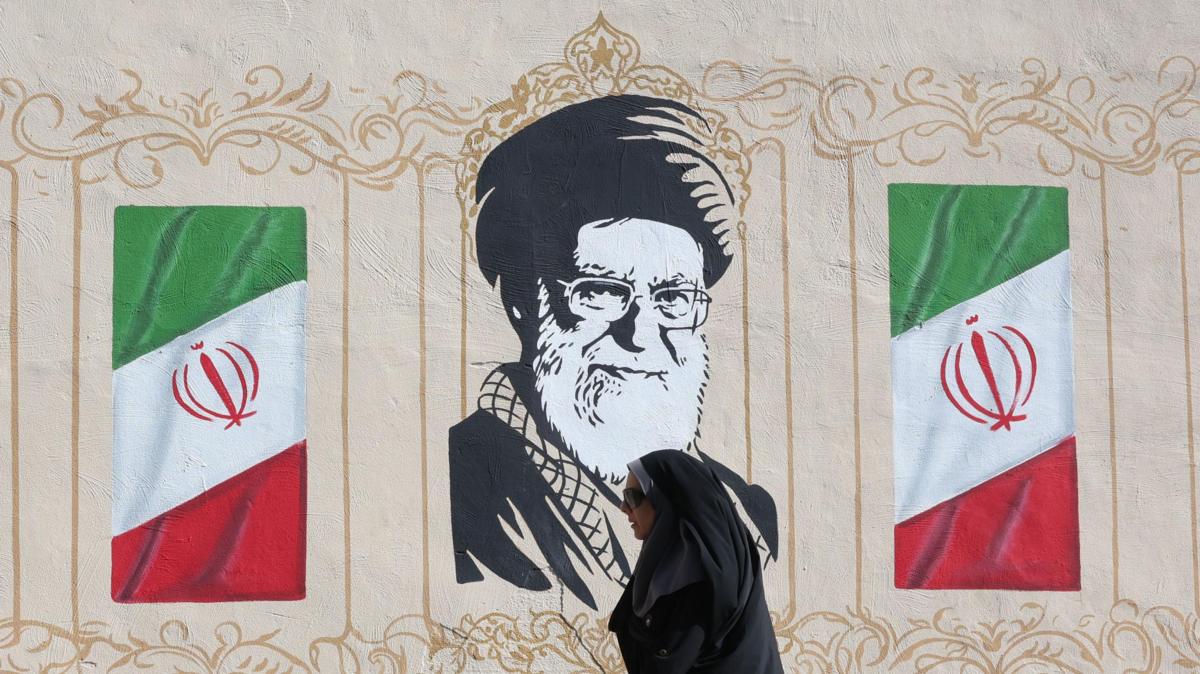
None of the choices facing Iran’s leaders offer a clear path to victory, as the conflict with the US continues.
Full BriefGenerated 2h ago
What Happened
After a 10-day exchange of strikes with the US over control of the Strait of Hormuz, Iran faces three unpalatable options: accept Washington's demands—ending attacks on shipping, diluting enriched uranium stockpiles, and accepting intrusive inspections in return for sanctions relief and protection; escalate by intensifying attacks on American bases and Gulf infrastructure, risking a broader conflict; or maintain instability by exerting enough pressure on shipping to retain leverage without triggering all-out war. A June Memorandum of Understanding (MoU) to halt military operations and reopen the Strait collapsed after three weeks when President Trump declared the ceasefire over, citing Iranian attacks on ships and subsequent US strikes. The strategic calculus is complicated by the February killing of Supreme Leader Ayatollah Ali Khamenei and the unclear authority of his son Mojtaba, alongside President Masoud Pezeshkian's pragmatic faction and hardliners in the IRGC and parliament.
Key Actors
- ·Islamic Revolutionary Guard Corps (IRGC)(Core of Iran's military power and external operations.)Central to missile programme, regional alliances, and Strait of Hormuz strategy; its commanders may favour escalation to strengthen bargaining position.
- ·US President Donald Trump(Commander-in-Chief of US forces and architect of the 'maximum pressure' sanctions policy.)Declared the June ceasefire over in response to Iranian ship attacks, resuming strikes and demanding free passage, nuclear concessions, and intrusive inspections.
- ·President Masoud Pezeshkian(Head of Iran's elected government.)Favours a settlement to ease economic pressure and restore stability, representing pragmatic elements.
- ·Mojtaba Khamenei(Son and successor of killed Supreme Leader Ayatollah Ali Khamenei.)Uncertain authority over the fractured decision-making process, as traditional balance between politicians, clerics, and Guards is unsettled.
Why It Matters
The outcome of Iran's strategic choice over the Strait of Hormuz will profoundly affect global energy markets and regional security. Iran has for the first time demonstrated its ability to impose immediate economic costs through maritime disruption, making the waterway a potent deterrent possibly surpassing its missile and proxy networks. The internal power struggle following Khamenei's death creates dangerous unpredictability: a push for a deal could weaken hardline credibility, while sustained instability risks accelerating international efforts to bypass Hormuz entirely, eroding Iran's long-term leverage.
Watch For
Whether the MoU framework is revived or definitively abandoned; any new attacks on commercial shipping or US assets that could trigger escalation; statements or actions from Mojtaba Khamenei clarifying the chain of command; internal Iranian political moves by Pezeshkian or hardliners; and announcements of alternative energy transit routes that might dilute Hormuz's strategic value.
Generated 2h ago · Based on full articleAuto-Compiled
This page aggregates and summarizes reporting from BBC Middle East. The Conflict Pulse does not author original reporting. Read the original source for full coverage.
CONFLICT OVERVIEW
Iran
Latest verified updates on Iran’s regional confrontation, U.S.–Israeli strikes, missile retaliation, proxy networks, sanctions, and Strait of Hormuz risks.
SOURCE PERSPECTIVES
How outlets across the bias spectrum are covering this conflict.
left
Houthis threaten to attack shipping tankers if they use Saudi Arabian ports on Red Sea
The Guardian Middle East“Cover-Up” Unravels as Pentagon Admits Nearly 100 Injured in Iran Strikes
The InterceptLATEST FROM IRAN