
Al Jazeera
centerREPORTWhy have half a million Russians gone bankrupt amid Ukraine war?
Full BriefGenerated 92d ago
What Happened
A European intelligence report, seen by Reuters, states that over 500,000 Russians declared bankruptcy in the past year — a year-on-year increase of nearly one-third — as the cost of living strains households. The report estimates that 10% of corporate loans are now doubtful, a sharp rise from two years ago, and that state-backed credit programmes have spurred more than 13 million Russians to hold three or more concurrent loans. Russia's Ministry of Economic Development has revised its 2026 GDP growth forecast downward from 1.3% to 0.4%. The intelligence assessment warns that a heavy reliance on government-supported lending masks a precarious buildup of risky loans; an economic shock — such as new EU sanctions targeting banks and cryptocurrency networks — could trigger an 'explosive' banking crisis. However, Vladislav Inozemtsev of Chatham House contends that a full-blown banking crisis is unlikely, citing Russian banks' record profits (forecast at 3.9 trillion rubles this year), the concentration of most overdue corporate debt in state-linked defence enterprises which will ultimately be covered by the government, and the structure of the banking system dominated by a few highly supervised institutions. Russian central bank Deputy Governor Filipp Gabunia has also played down vulnerabilities, saying they are 'not critical'.
Key Actors
- ·European intelligence report(Intelligence assessment prepared for EU officials)Warns that Russian banks' reliance on risky state-backed loans has created an illusion of a dynamic economy, masking an 'explosive' vulnerability that new sanctions could trigger.
- ·Vladislav Inozemtsev(Associate Fellow, Russia and Eurasia Programme, Chatham House)Argues that a banking crisis is unlikely because defence-linked overdue corporate debt will be covered by the state, banks have set aside reserves for household defaults, and the concentrated banking system is resilient.
Why It Matters
The report highlights growing economic fissures in Russia after three years of full-scale war, raising questions about the sustainability of the war effort if financial strain intensifies. The debate over a potential banking crisis is central to Western sanctions strategy: if Russia's banking system remains stable, it can continue financing the military and cushioning the population; if vulnerabilities are exploited, a new shock could undermine the Kremlin's capacity to sustain the conflict. The intelligence assessment informs upcoming EU sanctions decisions, while expert scepticism suggests that targeting Russian finance may require more than headline bankruptcy figures.
Watch For
Finalisation of the EU's 21st sanctions package, expected in July, which will target Russian banks and cryptocurrency networks. Monitor Russian central bank liquidity support measures and any official acknowledgement of stress. Track corporate and household default rates, GDP performance against the lowered 2026 forecast, and any new economic shocks — such as further energy price drops or sanctions enforcement — that could test the banking sector.
Generated 92d ago · Based on full articleAuto-Compiled

DAILY BRIEFING
Follow Ukraine–Russia
Get a daily briefing with the most critical developments from every active conflict zone. Concise. Verified. Free.
No spam. Unsubscribe anytime. Verified sources only.
This page aggregates and summarizes reporting from Al Jazeera. The Conflict Pulse does not author original reporting. Read the original source for full coverage.
CONFLICT OVERVIEW
Ukraine–Russia
Latest verified updates on Russia’s war in Ukraine, frontline shifts, drone warfare, Western support, occupied territories, and ceasefire diplomacy.
Active since February 2014
MORE REPORTING ON THIS REGION
Recent reporting from this region. These stories may cover different events.
LATEST FROM UKRAINE–RUSSIA

DEVELOPINGAl Jazeera9h ago
Russian attack on buses in Ukraine’s Kramatorsk kills at least 30 people

DEVELOPINGBBC Asia10h ago
South Korea recalls Ukraine envoy over prisoner-of-war row
DEVELOPINGUkrainska Pravda10h ago
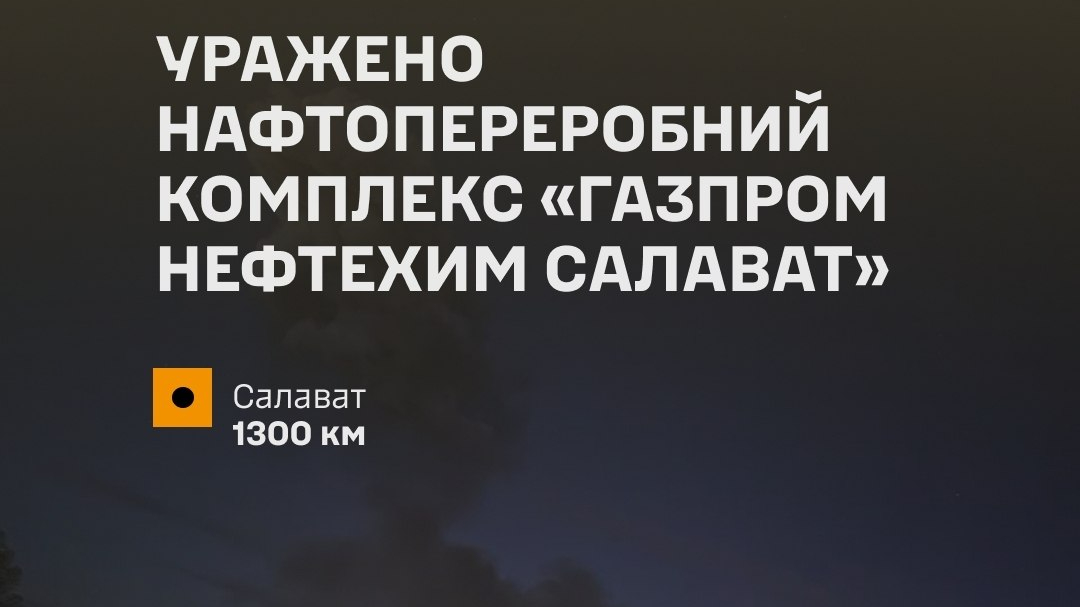
Ukraine's defence forces strike Gazprom oil refinery in Bashkortostan, 1,400 km from border
DEVELOPINGUkrainska Pravda11h ago
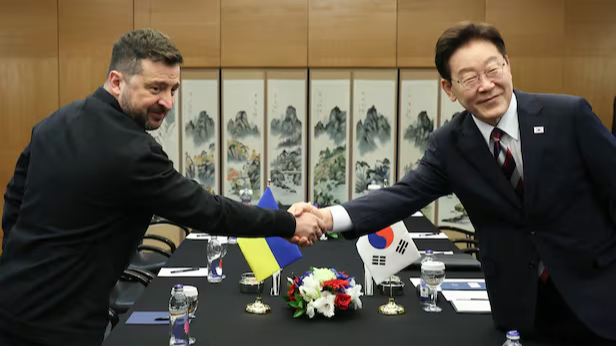
South Korea recalls its ambassador to Ukraine amid dispute over North Korean POWs
REPORTUkrainska Pravda12h ago
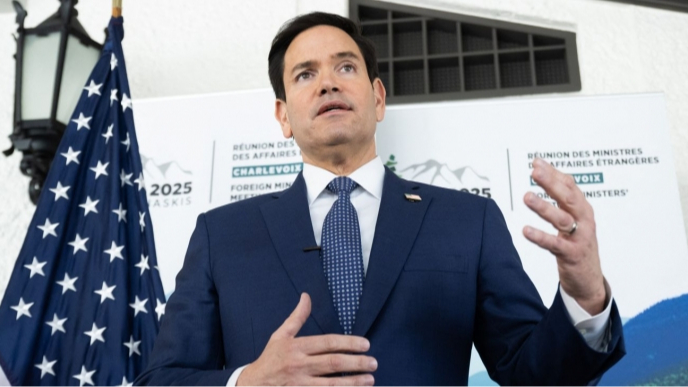
Rubio says diplomatic negotiations to end war in Ukraine are "proving elusive"
REPORTUkrainska Pravda12h ago