
Al Jazeera
centerREPORTWhat’s behind Trump’s shift to economic pressure on Iran? Will it work?
Full BriefGenerated 60d ago
What Happened
United States President Donald Trump indicated a shift from threatening military strikes to applying economic pressure on Iran, describing the approach as 'low-keying it' in an interview with Axios. The US has maintained a naval blockade against Iranian ports since mid-April, with US Central Command (CENTCOM) reporting on Saturday that it redirected 53 commercial vessels, boarded two, and disabled two others. Trump claimed Iran is in 'very bad shape' financially, citing high inflation and difficulty paying its soldiers, and credited the blockade and falling oil prices for easing the impact on US consumers. Vice President JD Vance stated the US is applying diplomatic, economic, and military tools. Iranian authorities say crude exports are near zero due to the blockade, and Tehran has denied direct talks with Washington, though Oman-mediated negotiations on management of the Strait of Hormuz are ongoing. Pentagon official Jarred Conley told Al Jazeera that the US has sufficient munitions for current operations, countering reports of shortages.
Key Actors
- ·Donald Trump(President of the United States)Announced a shift to economic pressure on Iran, stating the US is 'low-keying it' and emphasizing Iran's financial difficulties.
- ·US Central Command (CENTCOM)(Unified combatant command of the US Department of Defense)Enforced the naval blockade by redirecting 53 vessels, boarding two, and disabling two others to cut Iranian oil exports.
- ·Jarred Conley(Principal deputy director at the Defense Department’s Defense Innovation Unit)Asserted that the US has sufficient munitions for ongoing military operations, countering media reports of shortages.
- ·Iran(State actor subject to US pressure)Denied direct talks with the US, reported near-zero crude exports, and demanded compensation for infrastructure damage as a condition for reopening the Strait of Hormuz.
Why It Matters
The shift to economic coercion signals a recalibration of US strategy driven by munitions constraints and domestic political pressures ahead of midterm elections, as the war remains unpopular. Prolonged economic warfare could strain global oil markets, test Gulf state alignments, and harden Iranian resistance, raising the risk of a protracted standoff that destabilizes the broader Middle East.
Watch For
Monitor the progress of Oman-mediated talks on Strait of Hormuz management and any hints of direct US-Iran negotiations. Watch for further CENTCOM interceptions, fluctuations in Iranian oil export volumes, and economic indicators that may trigger domestic unrest. Track US munitions supply reports and Pentagon statements, as well as US public opinion polls ahead of the November midterms. Observe any Iranian retaliatory pressure on Gulf states hosting US assets.
Generated 60d ago · Based on full articleAuto-Compiled

DAILY BRIEFING
Follow Iran
Get a daily briefing with the most critical developments from every active conflict zone. Concise. Verified. Free.
No spam. Unsubscribe anytime. Verified sources only.
This page aggregates and summarizes reporting from Al Jazeera. The Conflict Pulse does not author original reporting. Read the original source for full coverage.
CONFLICT OVERVIEW
Iran
Latest verified updates on Iran’s regional confrontation, U.S.–Israeli strikes, missile retaliation, proxy networks, sanctions, and Strait of Hormuz risks.
MORE REPORTING ON THIS REGION
Recent reporting from this region. These stories may cover different events.
LATEST FROM IRAN

DEVELOPINGAl Jazeera9h ago
Is Trump signalling a return to war with Iran after the midterms?

DEVELOPINGMiddle East Eye10h ago
Iranian human rights official says legal efforts under way over Minab attack
DEVELOPINGThe Guardian Middle East10h ago
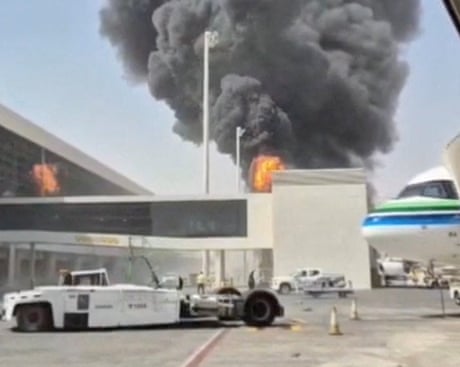
Three Saudis killed in Riyadh airport attack claimed by Houthis
REPORTMiddle East Eye13h ago
Morning update

REPORTAl Jazeera14h ago
Trump says US will not strike Iran before midterm elections
REPORTMiddle East Eye14h ago