Al Jazeera
centerREPORTWhat Israeli and Lebanese officials are saying before Washington talks

Full BriefGenerated 10h ago
What Happened
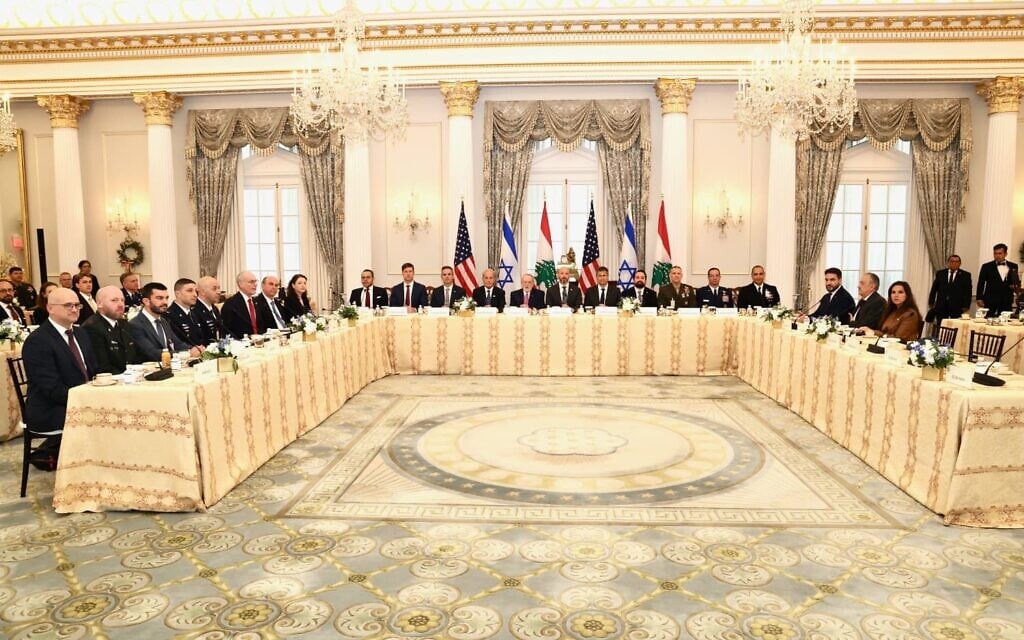
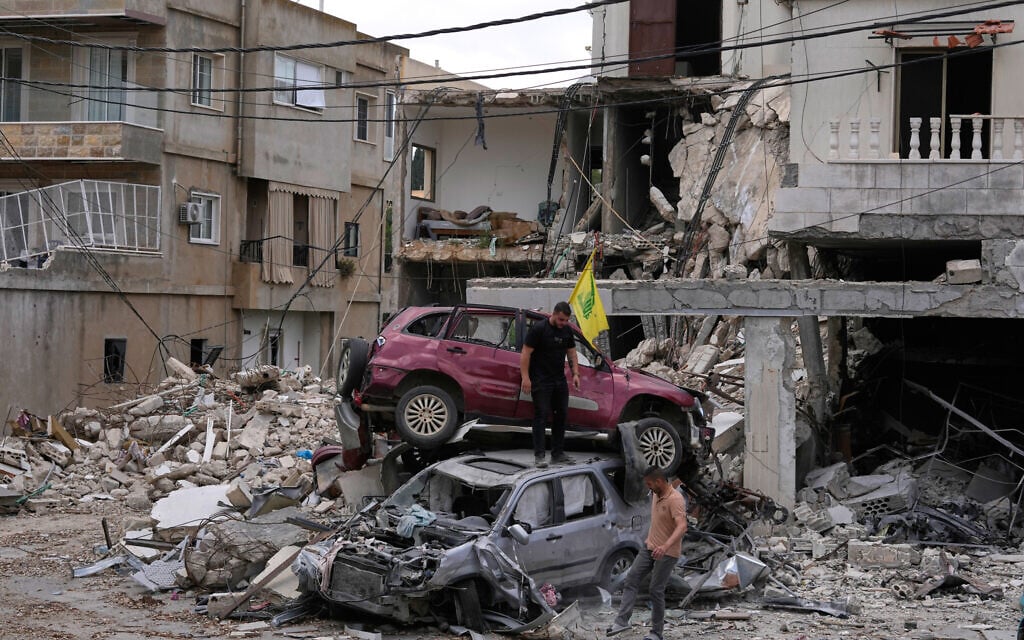
The United States announced talks between Israel and Lebanon will be held in Washington, D.C., from Tuesday to Thursday this week, as part of a US-Iran framework to cement a ceasefire. The move follows a fragile November 2024 ceasefire that never fully held: Israel continued near-daily attacks and occupied about one-fifth of southern Lebanon, while Hezbollah renewed rocket fire into northern Israel in March after US-Israeli strikes killed Iran’s supreme leader, Ayatollah Ali Khamenei. An MoU signed by President Trump and Iran’s President Pezeshkian last week triggered 60-day negotiations, with Iran demanding a Lebanon ceasefire as a precondition for direct talks. Mediators Qatar and Pakistan announced a new roadmap including a ‘de-confliction cell’ to end Israeli military operations in Lebanon. US Vice President JD Vance said coordination mechanisms would oversee the ceasefire and de-mining of the Strait of Hormuz. Lebanese President Joseph Aoun discussed the deconfliction mechanism with Vance and Qatar’s prime minister. However, Israeli Defence Minister Israel Katz and Prime Minister Benjamin Netanyahu have repeatedly stated the military will remain in Lebanon’s security zones indefinitely and act with ‘full freedom’ against any threat. Hezbollah condemned the talks, demanding a full Israeli withdrawal first. Israeli attacks on Lebanon have killed more than 4,000 people and displaced over one million.
Key Actors
- ·Israel(State party to the conflict and the Washington talks)Refuses to withdraw from southern Lebanon, insisting on an indefinite military presence and freedom to engage any perceived threat, contradicting ceasefire obligations.
- ·Hezbollah(Lebanese political-military movement and Iranian-backed armed group)Condemns the upcoming talks and demands full Israeli withdrawal before any agreement, having renewed attacks on Israel after US-Israeli strikes on Iran.
- ·Lebanon (President Joseph Aoun)(Lebanese head of state and a key negotiator in the ceasefire framework)Engaging with the US and Qatar to consolidate the ceasefire and advance the de-confliction mechanism, while facing Hezbollah’s opposition.
- ·United States(Mediator, host of the Washington talks, and party to the US-Iran MoU)Aiming to establish coordination mechanisms to end military operations in Lebanon, with Vice President Vance pressing Israel for a concrete alternative to indefinite military action.
Why It Matters
The talks represent a critical junction in US-Iran diplomacy and the fragile Lebanon ceasefire. Israel’s entrenched occupation and Hezbollah’s precondition of full withdrawal directly threaten the viability of the de-confliction cell, which Iran views as the first real test of the MoU. A failure could reignite full-scale hostilities, killing the US-Iran nuclear deal and destabilizing the region, while success might curb Iranian influence and open space for Lebanese state consolidation—but only if Israeli compliance is enforced and Hezbollah is reined in.
Watch For
The Washington talks from Tuesday to Thursday will test whether the de-confliction cell can immediately halt Israeli military operations. Monitor Hezbollah’s response to the talks: any attacks on northern Israel would signal rejection. Watch for statements from Netanyahu and Katz on whether Israeli forces begin any withdrawal or instead extend occupation. The US-Iran technical negotiations on sticking points will follow in the coming weeks; any breakdown there could unravel the group effort. Saudi and Qatari mediation roles remain critical, as does the Lebanese Armed Forces’ cooperation in the coordination mechanisms outlined by Vance.
Generated 10h ago · Based on full articleAuto-Compiled
This page aggregates and summarizes reporting from Al Jazeera. The Conflict Pulse does not author original reporting. Read the original source for full coverage.
CONFLICT OVERVIEW
Lebanon
Latest verified updates on Lebanon, Hezbollah, Israel–Lebanon escalation, southern border fighting, displacement, state authority, and ceasefire diplomacy.
Active since October 2023
SOURCE PERSPECTIVES
How outlets across the bias spectrum are covering this conflict.
Limited perspective coverage. Only center-leaning sources currently tracked for this region.
LATEST FROM LEBANON