The Guardian Middle East
leftREPORTWhat do we know about the US-Iran peace deal – and what questions remain?
Full BriefGenerated 9d ago
What Happened
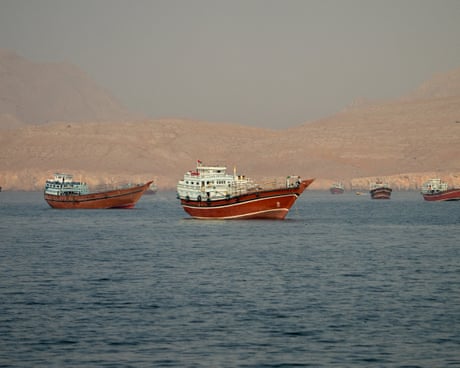
On Sunday, US President Donald Trump announced the opening of the Strait of Hormuz, conditioning it on a peace deal signing scheduled for Friday and describing it as 'for purposes of mine removal.' Pakistan's Prime Minister Shehbaz Sharif, the mediator, declared an immediate and permanent cessation of military operations on all fronts, including Lebanon, but omitted mention of the strait. Iran's state news Mehr reported the memorandum of understanding calls for reopening the strait within 30 days under 'Iranian arrangements,' while the E4 group (UK, France, Germany, Italy) insisted on unconditional and unrestricted freedom of navigation. Global oil prices fell sharply. The deal does not resolve Iran's nuclear program; senior Pakistani officials said nuclear talks will continue for 60 days, and Trump threatened fresh military action if no deal is reached. An Israeli strike on Beirut that killed three and injured six delayed the signing by a few hours, and Israeli Prime Minister Benjamin Netanyahu, not a party to the talks, has domestic political motives to continue operations, potentially torpedoing the agreement. Lebanon's inclusion in the ceasefire was asserted by Iran and the mediator but not mentioned by Trump, creating ambiguity.
Key Actors
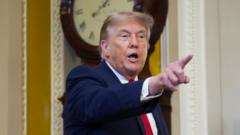
- ·Donald Trump(President of the United States)Announced the Strait of Hormuz opening contingent on a deal, focused on strait and nuclear program, omitted Lebanon ceasefire, and warned of new attacks if no nuclear deal within 60 days.
- ·Shehbaz Sharif(Prime Minister of Pakistan and peace deal mediator)Declared the immediate and permanent termination of military operations on all fronts including Lebanon, but did not address the Strait of Hormuz in his opening announcement.
- ·Kazem Gharibabadi(Iranian Deputy Foreign Minister)Stated the agreement includes a permanent and immediate end to the war on all fronts, including Lebanon, and that the Strait of Hormuz will reopen within 30 days under Iranian arrangements.
- ·Benjamin Netanyahu(Prime Minister of Israel)Not participating in the negotiations; his military operations in Lebanon, including a strike that delayed the deal signing, threaten the agreement's durability.
Why It Matters
The announced US-Iran peace deal, if implemented, could de-escalate a multi-front confrontation involving direct strikes, proxy warfare, and a maritime chokepoint crisis. The Strait of Hormuz’s status directly impacts global energy markets and shipping. However, critical gaps—Lebanon’s inclusion, the unresolved nuclear file, and Israel’s unconstrained military actions—risk immediate unravelling. Pakistan’s mediation role highlights non-Western diplomatic channels, while the E4’s conditional sanctions relief offer ties economic incentives to verified nuclear concessions, reviving a framework reminiscent of the 2015 JCPOA.
Watch For
The formal deal signing scheduled for Friday as stated by Trump; nuclear negotiations over the next 60 days, particularly Iran’s willingness to address its enriched uranium stockpile and the US/E4 sanctions relief process; potential Israeli military actions in Lebanon that could violate the ceasefire and disrupt the agreement; practical steps toward Strait of Hormuz reopening, including mine clearance and shipping insurance normalization; and Iran’s adherence to the 30-day timeline for strait arrangements.
Generated 9d ago · Based on full articleAuto-Compiled
This page aggregates and summarizes reporting from The Guardian Middle East. The Conflict Pulse does not author original reporting. Read the original source for full coverage.
CONFLICT OVERVIEW
Iran
Latest verified updates on Iran’s regional confrontation, U.S.–Israeli strikes, missile retaliation, proxy networks, sanctions, and Strait of Hormuz risks.
SOURCE PERSPECTIVES
How outlets across the bias spectrum are covering this conflict.
LATEST FROM IRAN