
The Guardian Asia
leftREPORT‘We feel like we are failing’: Myanmar doctor speaks out as health system teeters on ‘brink of collapse’
Full BriefGenerated 72d ago
What Happened
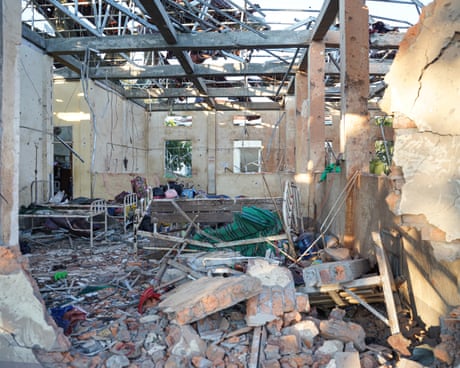
Myanmar’s healthcare system is on the verge of collapse as the military junta intensifies attacks on medical infrastructure and blockades exacerbate shortages of essential supplies, according to the World Health Organization (WHO) and medical professionals. The WHO verified 70 attacks on health care sites, resulting in 148 deaths and 186 injuries in 2025, driven by intensified airstrikes. Dr. Andrew Green, chair of the British Medical Association’s medical ethics committee, stated that violations of medical neutrality have led to the ‘complete destruction of medical services’ in some areas. A doctor named Elle, who fled to the jungle to support the resistance, described personal hardship and treating patients from refugee camps without being able to support her parents. Since the 2021 coup, Insecurity Insight documented at least 1,948 incidents of violence against or obstruction of healthcare, with 932 health workers arrested and 175 killed. The junta has denied targeting civilians, claiming those killed were ‘terrorists’. The military has recently recaptured some strategic ground, disrupting resistance supply lines, after earlier defeats in 2024. Over 100,000 people have been killed in the conflict, according to ACLED, and the UN reports at least 702 civilian deaths caused by the military in the six months around the widely condemned January elections.
Key Actors
- ·SAC/Tatmadaw(Military junta governing Myanmar)Conducting airstrikes and blockades that target healthcare sites and restrict medical supplies, denying civilian casualties and labeling victims as terrorists.
- ·Healthcare workers(Doctors and medical staff, many supporting the resistance)Facing arrests, killings, and forced displacement; providing care under extreme duress while the system collapses, exemplified by a doctor named Elle treating refugees without pay.
- ·World Health Organization(UN health agency)Verifying attacks on healthcare and warning that the system is on the brink of collapse, with more than 16 million people requiring life-saving assistance.
Why It Matters
The collapse of Myanmar's healthcare system amid deliberate targeting and blockades represents a severe humanitarian crisis, compounding the war's toll of over 100,000 dead and massive displacement. It underscores systematic violations of international humanitarian law and medical neutrality, with attacks on clinics precisely because they sustain communities resistant to military rule. The breakdown threatens a resurgence of preventable diseases like malaria and interrupts maternal and child health services, leaving millions without care and deepening the country's instability.
Watch For
Monitor further WHO and Insecurity Insight reports on attacks and health access; potential UN Security Council briefings or International Humanitarian Fact‑Finding Commission inquiries into medical neutrality violations; any ASEAN or international donor response to the healthcare emergency; and disease outbreak warnings from humanitarian agencies as the rainy season progresses.
Generated 72d ago · Based on full articleAuto-Compiled
DAILY BRIEFING
Follow Myanmar
Get a daily briefing with the most critical developments from every active conflict zone. Concise. Verified. Free.
No spam. Unsubscribe anytime. Verified sources only.
This page aggregates and summarizes reporting from The Guardian Asia. The Conflict Pulse does not author original reporting. Read the original source for full coverage.
CONFLICT OVERVIEW
Myanmar
Latest verified updates on Myanmar’s post-coup civil war, junta operations, resistance gains, ethnic armed groups, displacement, and regional diplomacy.
Active since May 2021
MORE REPORTING ON THIS REGION
Recent reporting from this region. These stories may cover different events.
LATEST FROM MYANMAR

REPORTAl Jazeera4d ago
Why is Malaysia sending back Rohingya refugees to Myanmar?

REPORTAl Jazeera5d ago
Malaysia gave refuge to Rohingya; now it wants them to go

REPORTAl Jazeera5d ago
Malaysia begins sending back Rohingya refugees despite safety warnings

REPORTMyanmar Now5d ago
Malaysia starts sending Myanmar migrants home

REPORTAl Jazeera6d ago
Myanmar army air strike kills dozens in Rakhine state
REPORTThe Guardian Asia6d ago