
Al Jazeera
centerREPORTUS Senate passes sweeping Russian energy sanctions bill amid Ukraine war
Full BriefGenerated 61d ago
What Happened
The U.S. Senate passed the 'Lindsey O. Graham Sanctioning Russia and Iran Act of 2026' on Friday by an 86–11 vote. The legislation imposes 100 percent tariffs on nations importing Russian oil and gas and targets clandestine maritime networks used to evade Western embargoes. The bill was named after Republican Senator Lindsey Graham, who died on July 11 and had secured White House approval for new sanctions the day before his death, after earlier versions were blocked by President Donald Trump. The bill now moves to the House of Representatives, but a vote will not occur until at least early September due to the congressional summer recess.
Ukrainian President Volodymyr Zelenskyy welcomed the passage, stating that 'real, strong American pressure and sanctions against Russia are what will help the most' to end the war. European Commission President Ursula von der Leyen also expressed support, while several House Democrats, including Gregory Meeks and Don Beyer, called the version adopted 'unacceptable,' citing potential unrestrained use of tariff powers by Trump. The Russian Embassy in Washington, D.C., previously condemned the legislation, claiming it would be 'extremely counterproductive' amid an impending energy crisis and rising gas prices before the U.S. midterm elections.
Key Actors
- ·U.S. Senate(Legislative body that passed the sanctions bill with bipartisan support)Approved the Lindsey O. Graham Sanctioning Russia and Iran Act of 2026, imposing 100% tariffs on Russian oil and gas importers and targeting evasion networks.
- ·Ukrainian President Volodymyr Zelenskyy(Head of state of Ukraine)Praised the sanctions as critical to ending the war, expressing gratitude for bipartisan American support.
- ·Russian government(Target of the sanctions, represented by the Russian Embassy in Washington)Condemned the bill as counterproductive, warning of energy crisis and gas price hikes before U.S. elections.
Why It Matters
The sanctions aim to deprive Russia of energy revenues that fund its war in Ukraine, potentially altering the conflict's economic calculus. By imposing secondary tariffs on nations that import Russian oil and gas, the U.S. seeks to amplify pressure beyond existing Western embargoes. The bipartisan Senate vote signals sustained American commitment to Ukraine, though House passage remains uncertain, and the bill's reliance on tariff authorities could be contentious under the Trump administration.
Watch For
The House of Representatives vote, expected in early September 2026, where opposition from some Democrats may complicate passage. Monitor whether the threat of sanctions changes buying patterns ahead of implementation, the Russian government's retaliatory measures, and the Trump administration's use of tariff powers if the bill becomes law. Also watch for impacts on global oil prices and further diplomatic reactions from U.S. allies and Russia.
Generated 61d ago · Based on full articleAuto-Compiled

DAILY BRIEFING
Follow Ukraine–Russia
Get a daily briefing with the most critical developments from every active conflict zone. Concise. Verified. Free.
No spam. Unsubscribe anytime. Verified sources only.
This page aggregates and summarizes reporting from Al Jazeera. The Conflict Pulse does not author original reporting. Read the original source for full coverage.
CONFLICT OVERVIEW
Ukraine–Russia
Latest verified updates on Russia’s war in Ukraine, frontline shifts, drone warfare, Western support, occupied territories, and ceasefire diplomacy.
Active since February 2014
MORE REPORTING ON THIS REGION
Recent reporting from this region. These stories may cover different events.
LATEST FROM UKRAINE–RUSSIA
DEVELOPINGUkrainska Pravda2h ago
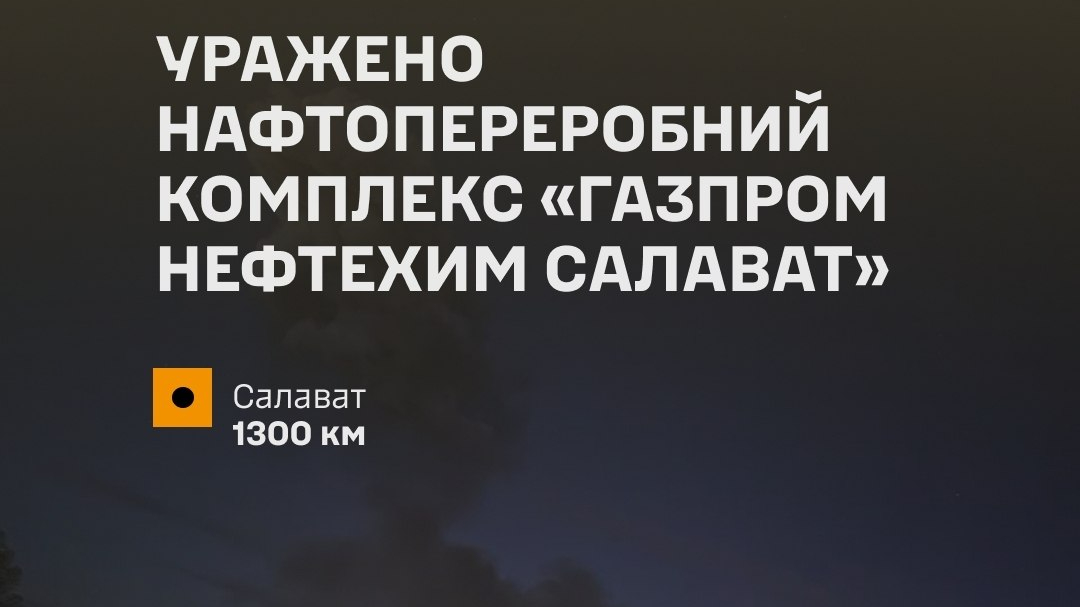
Ukraine's defence forces strike Gazprom oil refinery in Bashkortostan, 1,400 km from border
DEVELOPINGUkrainska Pravda3h ago
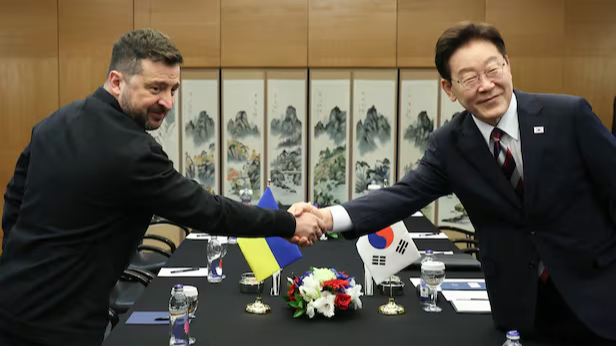
South Korea recalls its ambassador to Ukraine amid dispute over North Korean POWs
DEVELOPINGUkrainska Pravda4h ago
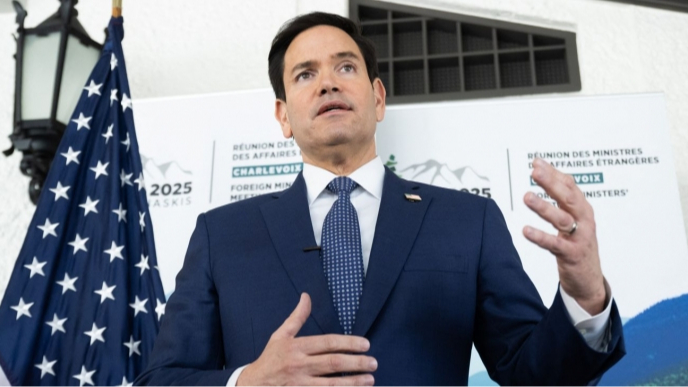
Rubio says diplomatic negotiations to end war in Ukraine are "proving elusive"

DEVELOPINGUkrainska Pravda4h ago
Slovakia sends military attaché back to Russia for first time in 4 years
DEVELOPINGUkrainska Pravda5h ago
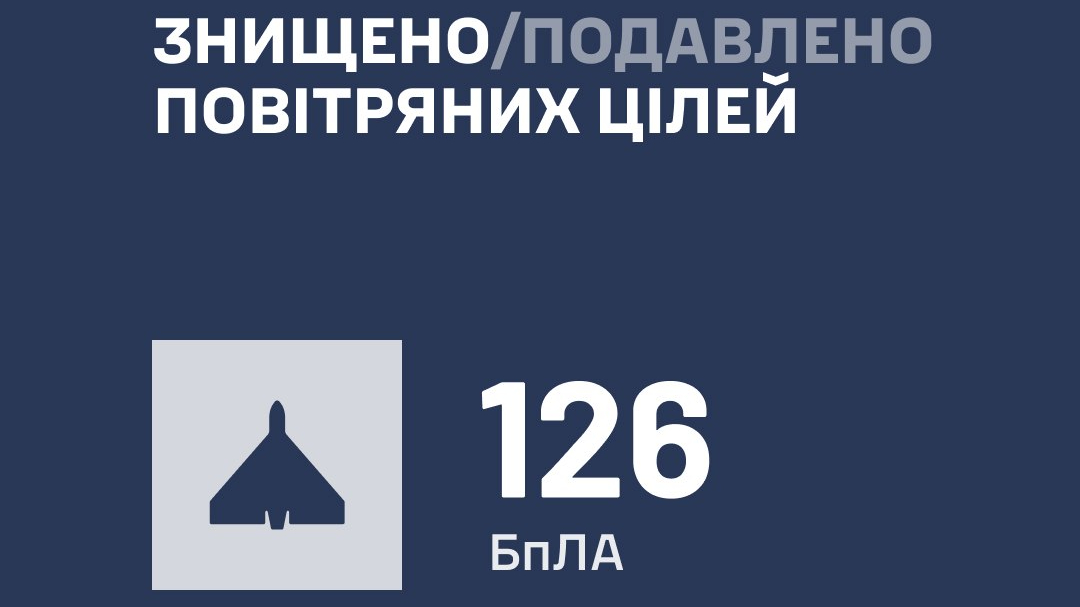
Russia attacked Ukraine with 142 drones overnight, 126 aerial assets brought down
DEVELOPINGUkrainska Pravda5h ago