
theguardian.com
leftREPORTUS Senate passes Russia sanctions bill championed by Lindsey Graham
Full BriefGenerated 61d ago
What Happened
On Friday, the US Senate passed the 'Lindsey O Graham Sanctioning Russia Act' by a bipartisan vote of 86-11, with 10 Democrats and Republican Rand Paul opposed. The legislation, renamed posthumously for the late Senator Lindsey Graham, imposes new sanctions and visa bans on Russian President Vladimir Putin and top military commanders, tariffs of up to 500% on Russian exports, and grants the president authority to levy tariffs of up to 100% on goods from the top five importers of Russian oil and gas. The bill had stalled for months but was accelerated after Graham's death; his sister Darline Graham, appointed to his seat, presided over the vote. Ukrainian President Volodymyr Zelenskyy and European Commission President Ursula von der Leyen welcomed the passage. The measure now moves to the House of Representatives, where some Democrats, including House Foreign Affairs Committee ranking member Gregory Meeks and Joint Economic Committee senior Democrat Don Beyer, criticized the tariff powers as granting President Trump excessive discretion to weaponize trade policy without congressional oversight.
Key Actors
- ·US Senate(Legislative body that passed the Graham sanction bill)Approved the bill 86-11, sending it to the House of Representatives.
- ·Lindsey Graham(Late Republican Senator from South Carolina)Posthumously honored; his advocacy pushed the legislation, which was renamed after him.
- ·Volodymyr Zelenskyy(President of Ukraine)Thanked the Senate and stated the bill helps increase pressure on Russia to end the war.
- ·House Democrats (Gregory Meeks, Don Beyer)(Senior Democratic lawmakers on House committees)Opposed the bill's tariff provisions, warning that they grant President Trump unchecked power to impose tariffs arbitrarily.
Why It Matters
The bill represents a rare bipartisan legislative push to escalate economic pressure on Russia by targeting its energy revenues and the countries that sustain them, signaling US readiness to deploy secondary sanctions. For Ukraine, it is a symbolic and practical reaffirmation of congressional support, counterbalancing the Trump administration's transactional approach. Domestically, however, the bill inflames partisan tensions over executive tariff authority, which could delay House passage and complicates the broader trade policy landscape. Its enactment could strain relations with major Russian oil importers like China and India.
Watch For
House consideration of the bill after the August recess, with potential amendments to strip or curtail the tariff provisions. President Trump's willingness to sign the bill and his subsequent use of the tariff authority. Reactions from the top five importers of Russian oil and any retaliatory measures. Implementation of sanctions and visa bans on Putin and military commanders, and whether they trigger further escalation from Moscow.
Generated 61d ago · Based on full articleAuto-Compiled

DAILY BRIEFING
Follow Ukraine–Russia
Get a daily briefing with the most critical developments from every active conflict zone. Concise. Verified. Free.
No spam. Unsubscribe anytime. Verified sources only.
This page aggregates and summarizes reporting from theguardian.com. The Conflict Pulse does not author original reporting. Read the original source for full coverage.
CONFLICT OVERVIEW
Ukraine–Russia
Latest verified updates on Russia’s war in Ukraine, frontline shifts, drone warfare, Western support, occupied territories, and ceasefire diplomacy.
Active since February 2014
MORE REPORTING ON THIS REGION
Recent reporting from this region. These stories may cover different events.
LATEST FROM UKRAINE–RUSSIA
DEVELOPINGUkrainska Pravda2h ago
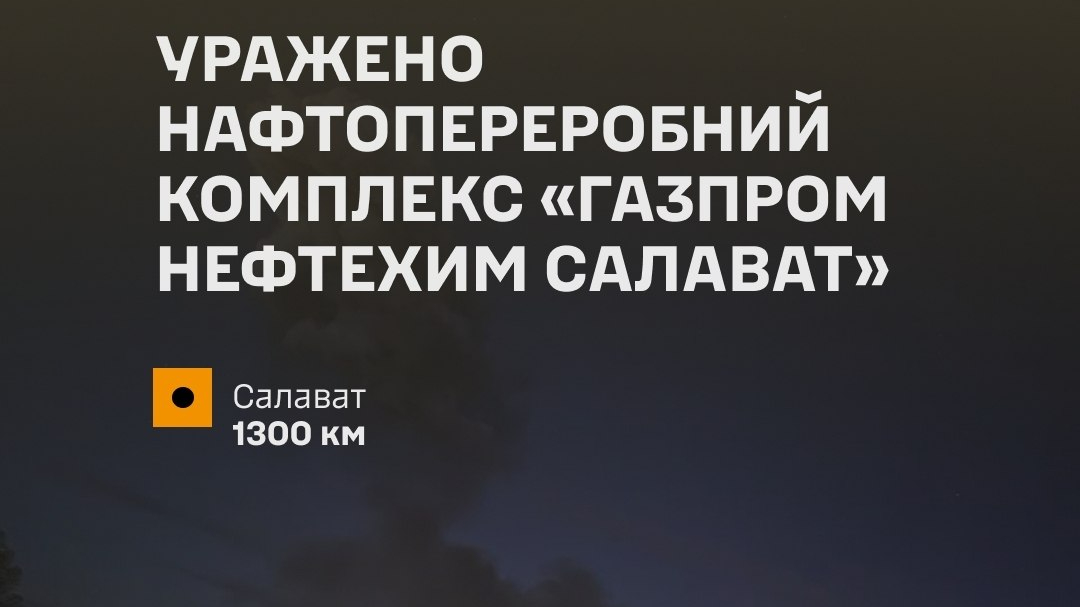
Ukraine's defence forces strike Gazprom oil refinery in Bashkortostan, 1,400 km from border
DEVELOPINGUkrainska Pravda3h ago
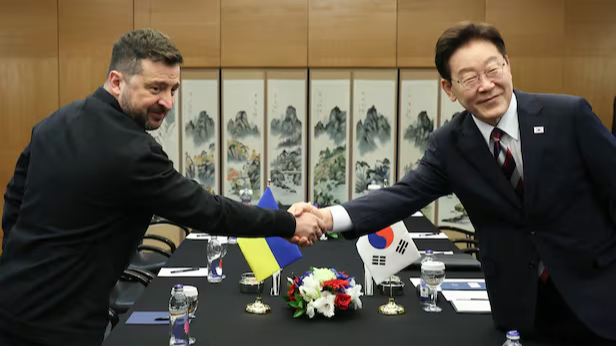
South Korea recalls its ambassador to Ukraine amid dispute over North Korean POWs
DEVELOPINGUkrainska Pravda4h ago
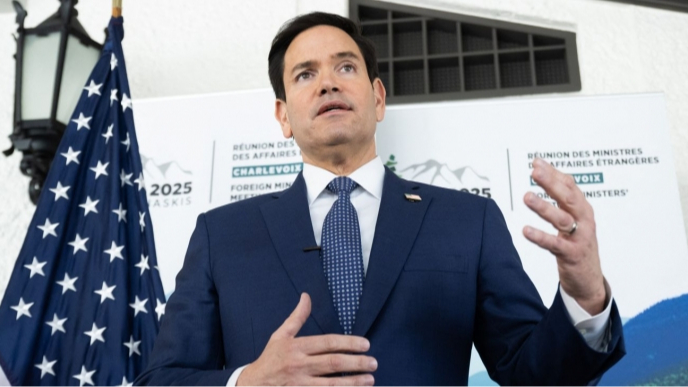
Rubio says diplomatic negotiations to end war in Ukraine are "proving elusive"
DEVELOPINGUkrainska Pravda4h ago
Slovakia sends military attaché back to Russia for first time in 4 years
DEVELOPINGUkrainska Pravda5h ago
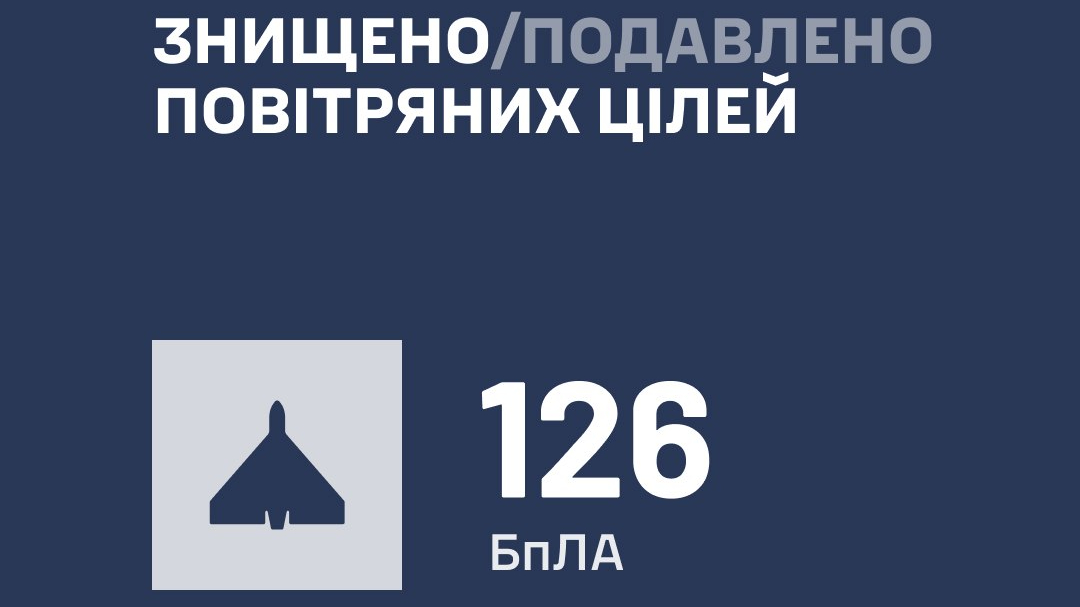
Russia attacked Ukraine with 142 drones overnight, 126 aerial assets brought down
DEVELOPINGUkrainska Pravda5h ago