
BBC US & Canada
centerREPORTUS says helicopter fired missiles to disable ship breaking Iran blockade
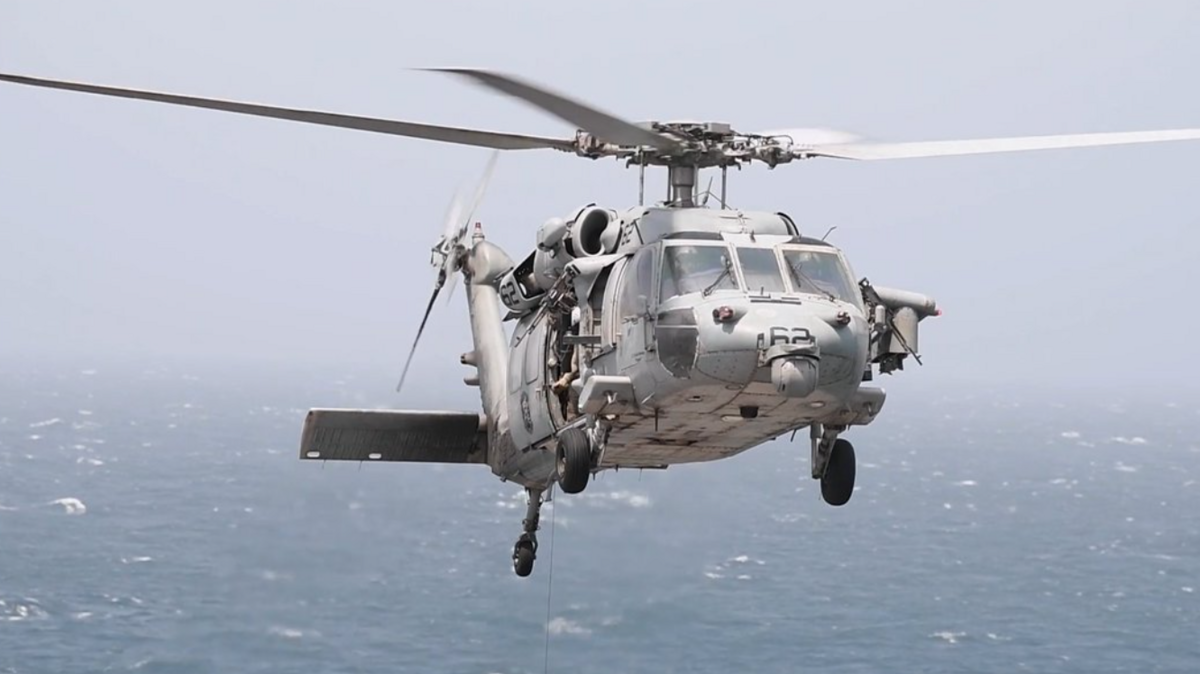
US Central Command says its helicopter hit the engine room of a Panama-flagged cargo vessel in the Gulf of Oman.
Full BriefGenerated 58d ago
What Happened
US Central Command (Centcom) stated that an MH-60 helicopter fired two hellfire missiles into the engine room of the Panama-flagged M/V Vela Nova in the Gulf of Oman on Tuesday after the civilian crew ignored repeated warnings. Centcom claimed the strike disabled the vessel's steering gear, preventing it from transiting to an unspecified Iranian port. This marks the third non-compliant vessel disabled under the US blockade of Iranian ports since the war began, with Centcom reporting it has redirected 55 vessels, disabled 3, and boarded 2 as of 11 August. Iran has not commented. Separately, the internationally recognised government of Yemen reported that Iran-backed Houthi strikes on a cargo ship in the Red Sea killed six and wounded ten; the Houthis claimed the vessel carried Saudi military equipment, in what appears to be the group's first deadly attack on a ship during the conflict.
Key Actors
- ·US Central Command (Centcom)(US military combatant command responsible for the Middle East)Enforcing the blockade of Iranian ports; disabled the M/V Vela Nova after it attempted to transit to Iran.
- ·M/V Vela Nova(Panama-flagged cargo vessel)Attempted to run the US blockade and sail to an Iranian port; disabled by US helicopter fire.
- ·Iran(Sovereign state subject to US blockade)Has not commented on the incident; its ports remain blockaded and the Strait of Hormuz effectively closed by Tehran's retaliatory actions.
- ·Houthis (Ansar Allah)(Iran-backed Yemeni armed group)Claimed a strike on a vessel carrying Saudi military equipment in the Red Sea, killing six and wounding ten in the first deadly ship attack since the war began.
Why It Matters
The disabling of the Vela Nova underscores the active enforcement of a US naval blockade on Iran, a critical escalation in the US–Iran proxy conflict that has severely disrupted commercial shipping and global energy markets. With the Strait of Hormuz effectively closed, a fifth of the world's oil and LNG transit is imperilled, causing price volatility. The separate Houthi attack, the group's first lethal maritime strike since the war's outbreak, signals an expanding and increasingly deadly maritime front, further threatening Red Sea shipping lanes and regional stability.
Watch For
Monitor Iran's potential retaliation via its military or proxy forces, including further attacks on shipping or US assets in the Gulf. Watch for any diplomatic breakthroughs on reopening the Strait of Hormuz, especially after the June ceasefire collapse. Track Centcom's continued enforcement actions, including vessel interceptions and boardings. Assess fallout from the Houthi attack, including Saudi and coalition responses, and its impact on maritime security operations in the Red Sea.
Generated 58d ago · Based on full articleAuto-Compiled
DAILY BRIEFING
Follow Iran
Get a daily briefing with the most critical developments from every active conflict zone. Concise. Verified. Free.
No spam. Unsubscribe anytime. Verified sources only.
This page aggregates and summarizes reporting from BBC US & Canada. The Conflict Pulse does not author original reporting. Read the original source for full coverage.
CONFLICT OVERVIEW
Iran
Latest verified updates on Iran’s regional confrontation, U.S.–Israeli strikes, missile retaliation, proxy networks, sanctions, and Strait of Hormuz risks.
MORE REPORTING ON THIS REGION
Recent reporting from this region. These stories may cover different events.
LATEST FROM IRAN

DEVELOPINGBBC Middle East8h ago
Three Saudi nationals killed in Houthi attacks on Riyadh airport

DEVELOPINGMiddle East Eye11h ago
Morning update

REPORTAl Jazeera12h ago
Trump says US will not strike Iran before midterm elections
REPORTMiddle East Eye12h ago
Iranian lawmaker says Tehran not seeking production of nuclear weapons
REPORTMiddle East Eye13h ago
IRGC Navy official says violating vessels in Hormuz Strait 'punished every night'

REPORTMiddle East Eye14h ago