
BBC Latin America
centerREPORTUS kills leader of Venezuela's Tren de Aragua gang in air strike, Trump says
Full BriefGenerated 114d ago
What Happened
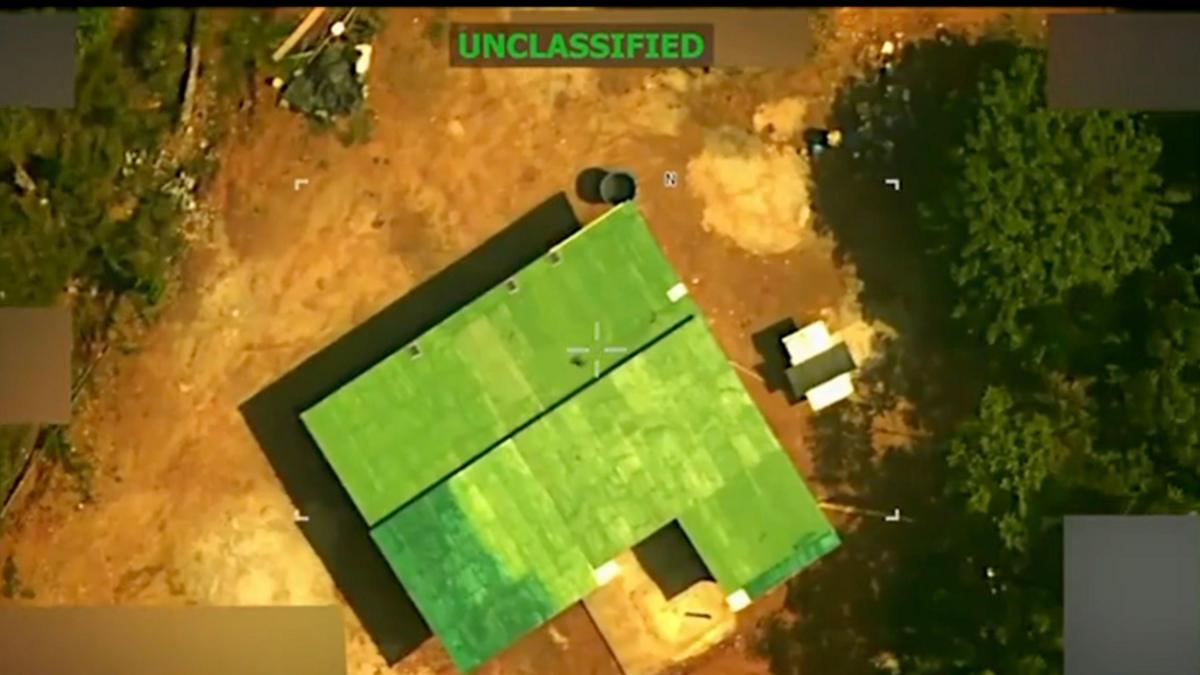
President Donald Trump announced that the US military, under the direction of US Southern Command, conducted a kinetic airstrike that killed Héctor Rusthenford Guerrero Flores, known as ‘Niño Guerrero,’ the longtime leader of the Venezuelan criminal gang Tren de Aragua. Trump posted footage of the strike, which showed a green building and a shed being destroyed. Venezuelan authorities confirmed their involvement in what they described as a ‘joint operation.’ The article further claims that in January, American forces seized then-President Nicolás Maduro from his compound in an overnight raid to face criminal charges in New York, and that his successor, Delcy Rodríguez, has since cooperated with the US, including on this operation and oil-extraction deals.
Key Actors
- ·US Southern Command / US military(US military command responsible for operations in the region)Executed the airstrike that killed Niño Guerrero at President Trump's direction, as part of a broader campaign against drug-trafficking organizations.
- ·Héctor Rusthenford Guerrero Flores (‘Niño Guerrero’)(Leader of the Tren de Aragua gang)Killed in the US airstrike; his organization had been declared a foreign terrorist organization by the Trump administration.
- ·Delcy Rodríguez(President of Venezuela (per the article’s narrative, succeeding Nicolás Maduro after his seizure))Confirmed Venezuelan involvement in the joint operation; has collaborated with the US on security and oil-extraction efforts since Maduro's removal.
- ·Donald Trump(President of the United States)Directed the strike and announced the killing on social media; frames US actions as part of an armed conflict with drug cartels.
Why It Matters
The operation underscores the Trump administration’s escalation of unilateral military action against transnational criminal organizations it labels as terrorist groups, bypassing traditional law-enforcement and extradition channels. The article’s account of Maduro’s earlier seizure and Rodríguez’s subsequent cooperation suggests a dramatic reconfiguration of US-Venezuela relations, with Washington leveraging kinetic strikes and sanctions relief to secure access to Venezuela’s vast oil reserves. The killing of Guerrero, a US State Department-designated target, signals a willingness to deploy lethal force in the hemisphere and may reshape the operational dynamics of Tren de Aragua, which has nodes in multiple Latin American countries and the United States.
Watch For
Monitor statements from Colombia, Ecuador, Peru, and Chile regarding potential spillover violence or leadership struggles within Tren de Aragua. Watch for further US military strikes in the region, especially against drug-smuggling vessels, and any legal challenges or international condemnation over the legality of targeted killings outside a declared war zone. Track any public reaction or crackdowns by the Rodríguez government and the status of US-Venezuela oil cooperation agreements.
Generated 114d ago · Based on full articleAuto-Compiled
DAILY BRIEFING
Follow Venezuela
Get a daily briefing with the most critical developments from every active conflict zone. Concise. Verified. Free.
No spam. Unsubscribe anytime. Verified sources only.
This page aggregates and summarizes reporting from BBC Latin America. The Conflict Pulse does not author original reporting. Read the original source for full coverage.
CONFLICT OVERVIEW
Venezuela
Latest verified updates on Venezuela’s political crisis, U.S. intervention, oil-sector recovery, migration, democratic transition demands, and regional fallout.
Active since February 2014
MORE REPORTING ON THIS REGION
Recent reporting from this region. These stories may cover different events.
LATEST FROM VENEZUELA

REPORTAl Jazeera7d ago
Venezuelans rally for opposition leader’s return and presidential elections

REPORTBBC Latin America7d ago
Venezuela releases dozens of political prisoners as election calls grow

REPORTAl Jazeera8d ago
Venezuela frees 39 political prisoners after post-Maduro talks

REPORTAl Jazeera8d ago
Venezuelan government, opposition agree to work towards reform of top court

REPORTBBC Latin America10d ago
Venezuela's interim president promises election after Maduro ousted

REPORTAl Jazeera10d ago