dw.com
centerREPORTUS - Iran talks : Hope and skepticism in the Swiss alps

Full BriefGenerated 6d ago
What Happened
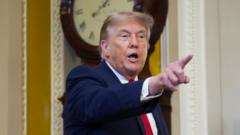
On June 18, 2026, US President Donald Trump announced a peace agreement with Iran, later revealing a memorandum of understanding (MoU) that both parties electronically signed. Trump signed the official text at a G7 dinner in Versailles on June 17, while Iranian President Masoud Pezeshkian signed in Tehran. The MoU initiates 60 days of negotiations focused on Iran’s nuclear programme and includes an interim agreement to end hostilities and reopen the Strait of Hormuz. Initial talks are scheduled for Friday in Bürgenstock, Switzerland, with the US, Iran, and mediators Pakistan and Qatar. This follows months of conflict after a US-Israeli attack on Iran in February, which killed thousands, mostly Iranian, and 13 US servicemembers, plus Iran’s closure of the Strait and attacks on Gulf energy infrastructure.
Key Actors
- ·Donald Trump(US President)Signed the MoU, claims it prevents Iranian nuclear weapons, threatened bombing if no broader deal is reached.
- ·Masoud Pezeshkian(Iranian President)Signed the MoU in Tehran and engages in negotiations.
- ·Emmanuel Macron(French President)Hosted the G7 dinner where Trump signed, expressed cautious support, and offered a Franco-British mission to the Strait.
- ·Swiss government(Host of talks)Facilitating initial negotiations in Bürgenstock on Friday, with mediators Pakistan and Qatar.
Why It Matters
The MoU temporarily halts active conflict and the economic disruption from the Strait of Hormuz closure, but does not resolve the underlying nuclear standoff. Trump previously withdrew from the JCPOA and his renewed threats undermine confidence in a durable settlement. The 60-day negotiation window faces political pressure from US midterm elections and potential non-compliance by Iran. For regional powers, it offers a respite but no permanent solution to the broader Iran-US confrontation.
Watch For
Formal start of negotiations on Friday in Switzerland; implementation steps for Strait reopening and ceasefire; Iran’s acceptance of nuclear verification measures; reactions from Israel and Gulf states; signals from Iranian hardliners or the IRGC that could derail talks; US Congressional oversight or pushback amid midterm election pressures.
Generated 6d ago · Based on full articleAuto-Compiled
This page aggregates and summarizes reporting from dw.com. The Conflict Pulse does not author original reporting. Read the original source for full coverage.
CONFLICT OVERVIEW
Iran
Latest verified updates on Iran’s regional confrontation, U.S.–Israeli strikes, missile retaliation, proxy networks, sanctions, and Strait of Hormuz risks.
SOURCE PERSPECTIVES
How outlets across the bias spectrum are covering this conflict.
LATEST FROM IRAN