DW News
centerREPORTUS-Iran deal: Between conflict and compromise
Full BriefGenerated 6d ago
What Happened
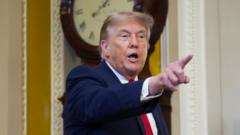
On June 18, 2026, the United States and Iran signed the 'Islamabad Memorandum of Understanding', extending a ceasefire and initiating a 60-day phase of technical negotiations. US President Donald Trump signed the document at the Palace of Versailles after the G7 summit; Iranian President Masoud Pezeshkian signed digitally from Tehran. The MoU calls for an immediate and permanent cessation of hostilities on all fronts, including in Lebanon, where Hezbollah had launched rockets at Israel following the outbreak of the Iran war and the killing of Supreme Leader Ayatollah Ali Khamenei, and Israel had responded with airstrikes and ground occupation. The text reaffirms Iran’s position that it has no intention of manufacturing or acquiring nuclear weapons, and it includes specific provisions for handling stocks of highly enriched uranium: both sides aim to clarify the status of near-weapons-grade uranium (enriched to 60%) and plan to dilute those stockpiles on site under IAEA supervision, with details to be settled in a final agreement.
Key Actors
- ·US(Signatory to the MoU)Signed the agreement, demanding verifiable nuclear limits and offering conditional sanctions relief and a $300 billion reconstruction fund; Vice President JD Vance claimed the deal was not a repeat of the Obama-era JCPOA and that Gulf states supported it.
- ·Iran(Signatory to the MoU)Signed the agreement, pledging no nuclear weapons and agreeing to negotiate dilution of enriched uranium under IAEA oversight in exchange for sanctions relief, port access, and the reconstruction fund; President Pezeshkian signed from Tehran.
- ·Hezbollah(Lebanese militia and Iran ally)Joined the war against Israel by firing rockets after Khamenei’s death; its actions are covered by the ceasefire, and its compliance is seen as critical to preventing derailment of the talks.
- ·Israel(US ally, non-signatory)Views the agreement with skepticism, has conducted airstrikes and occupies territory in southern Lebanon; is not bound by the MoU and could influence its durability.
Why It Matters
The memorandum marks a potential pivot from direct military conflict—sparked by the February 28 US-Israeli attack on Iran—back to diplomacy, directly addressing the nuclear programme that was a primary justification for the war. The reopening of the Strait of Hormuz is vital for global energy markets, and the deal links regional ceasefires (Lebanon, proxy fronts) to nuclear negotiations, potentially reshaping Iran’s Axis of Resistance network. However, the 60-day clock for technical talks is tight, Israel’s skepticism remains a major obstacle, and Iran’s history of reneging on nuclear pledges, as noted by German Bundestag Vice President Omid Nouripour, injects deep uncertainty into the process.
Watch For
The 60-day negotiation window ends approximately on August 17, 2026. Key events to monitor include: IAEA reports on the dilution and verification of enriched uranium stocks; compliance with the Lebanon ceasefire by Hezbollah and Israeli forces; Oman-mediated talks on the future administration of the Strait of Hormuz; whether the US Congress or regional allies (Gulf states, Israel) attempt to block sanctions relief; and the finalisation of the technical details on nuclear limits and the reconstruction fund, which is conditional on a comprehensive nuclear agreement.
Generated 6d ago · Based on full articleAuto-Compiled
This page aggregates and summarizes reporting from DW News. The Conflict Pulse does not author original reporting. Read the original source for full coverage.
CONFLICT OVERVIEW
Iran
Latest verified updates on Iran’s regional confrontation, U.S.–Israeli strikes, missile retaliation, proxy networks, sanctions, and Strait of Hormuz risks.
SOURCE PERSPECTIVES
How outlets across the bias spectrum are covering this conflict.
LATEST FROM IRAN