The Guardian Middle East
leftREPORTUS intensifies attacks on Iran as Tehran hits back at Gulf states
Full BriefGenerated 9d ago
What Happened
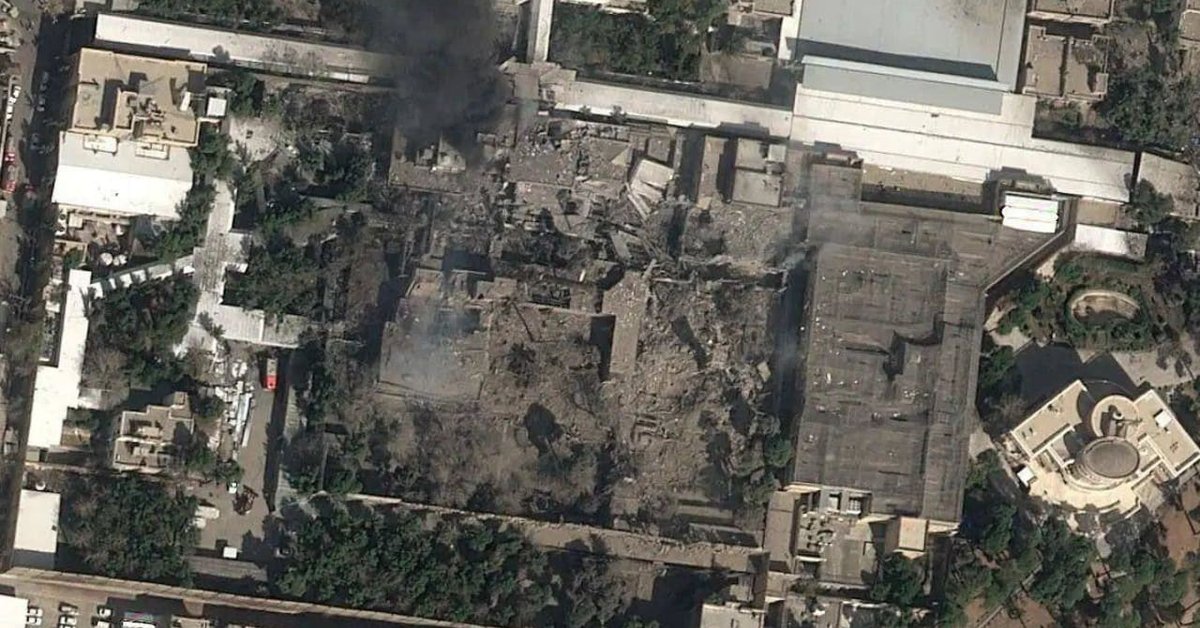
The United States intensified military strikes on Iran, hitting targets near Tehran for the first time in the current round of fighting and striking other provinces on Thursday, according to Iranian state media. US Central Command also said it fired a Hellfire missile at a tanker approaching Kharg Island after it ignored warnings, as part of a reimposed naval blockade. Iranian authorities claimed the US attacks killed over 35 people and wounded more than 300, and Iran's foreign ministry accused the US of a 'barbaric attack' that forced the evacuation of a cancer hospital in south-west Iran, with 211 chemotherapy patients moved. In retaliation, Iran launched missiles and drones targeting Bahrain, Jordan, and Kuwait, which host US bases. Iraq's Prime Minister Ali al-Zaidi reported an overnight drone attack on Erbil in Iraqi Kurdistan that was intercepted, and Iraqi authorities suspended crude oil loading at all terminals after a drone crashed into an oil tanker in Basra without causing damage. Iran warned it could expand attacks, with military spokesperson Col Ebrahim Zolfaghari stating that 'all the infrastructure in the region will be crushed' and that reopening the Strait of Hormuz required US adherence to a 14-point Memorandum of Understanding signed last month and Iranian transit regulations. The strait, which Iran had essentially closed since the war's start, saw reduced traffic, with only nine ships navigating it on Wednesday, down from 13 on Tuesday.
Key Actors
- ·United States (US Central Command and President Trump)(Belligerent imposing a naval blockade and conducting direct strikes on Iran)Enforcing the blockade on Iran and threatening further attacks on infrastructure; Trump claims Iran wants a peace deal but is willing to 'finish it off' militarily.
- ·Islamic Republic of Iran (military and Foreign Ministry)(State actor retaliating with missile and drone strikes against US regional allies and closing the Strait of Hormuz)Attacking Bahrain, Jordan, Kuwait, and Iraqi Kurdistan; demanding US adherence to the interim MoU and Iranian transit rules for the strait; characterizing the conflict as an 'essential and existential war with America' per Speaker Ghalibaf.
- ·Iraq (Prime Minister Ali al-Zaidi)(Indirectly affected state hosting US bases and facing Iranian-aligned attacks)Condemning the drone attack on Erbil and suspending oil loading after a drone crash in Basra, while pledging to disarm non-state armed groups.
Why It Matters
Six days of consecutive US-Iran strikes risk igniting a full-scale regional war, directly undermining the 60-day interim peace deal signed last month. The effective closure of the Strait of Hormuz—through which a fifth of global oil and gas exports once flowed—has driven oil prices to $85 a barrel, with potential to reach $100, threatening global inflation and US midterm election prospects. The escalation blurs the lines between direct state-on-state conflict and proxy warfare, with Iran expanding its missile reach to Gulf states and Iraq, while US strikes target the Iranian heartland. The competing interpretations of the MoU over strait transit lanes deepen the deadlock, and India's warning to avoid deploying sailors there signals a broadening economic fallout.
Watch For
Whether the US follows through on threats to strike Iranian power plants, bridges, or nuclear facilities, and Iran's promised 'steel blows' in retaliation. Shipping traffic through the Strait of Hormuz and any attempts by either side to force passage via their designated lanes. Diplomatic signals: Trump's claims of a willing Iranian partner versus Iranian officials' rejection of talks under military pressure. Reports from IAEA on any damage to Iranian nuclear sites. Impact on global oil benchmarks and potential emergency IEA stock releases. The US midterm election timeline as a driver for Trump to reopen the strait.
Generated 9d ago · Based on full articleAuto-Compiled
This page aggregates and summarizes reporting from The Guardian Middle East. The Conflict Pulse does not author original reporting. Read the original source for full coverage.
CONFLICT OVERVIEW
Iran
Latest verified updates on Iran’s regional confrontation, U.S.–Israeli strikes, missile retaliation, proxy networks, sanctions, and Strait of Hormuz risks.
SOURCE PERSPECTIVES
How outlets across the bias spectrum are covering this conflict.
left
US expands Iran attacks as Trump warns Tehran and Houthis over Red Sea strikes
The Guardian Middle EastHow Chinese tech and Russian tactics are aiding Iran’s bombing of US bases
The Guardian AsiaLATEST FROM IRAN