Al Jazeera
centerDEVELOPINGUS defence chief Hegseth puts Iran war cost at $37.5bn so far

Latest cost comes as Hegseth and Joint Chiefs Chairman Caine seek a $1. 5 trillion budget, including $70bn for Iran war.
Full BriefGenerated 2h ago
What Happened
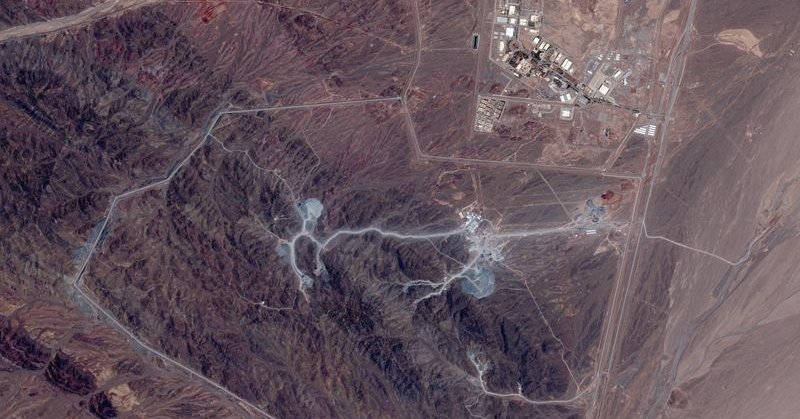
US Secretary of Defense Pete Hegseth told the Senate Appropriations Committee that the official cost of the US-Israel war on Iran has reached $37.5 billion, an increase of $8 billion from the $29 billion figure released in May. Hegseth, appearing alongside Chairman of the Joint Chiefs of Staff Dan Caine, requested a $1.5 trillion defence budget, including nearly $70 billion for the war, citing strains on munitions stockpiles and pending budget shortfalls that could curtail future training. The testimony came as fighting resumed after a memorandum of understanding that had paused attacks since June 17 collapsed last week. Since then, US strikes have continued for ten consecutive nights, with President Trump threatening to target Iranian energy plants, bridges, Kharg Island, and the underground Pickaxe Mountain nuclear-linked site. Iran has pledged to continue striking US assets, while Yemen's Houthis, Iranian allies, declared a maritime blockade against Saudi Arabia and attacks hit desalination and power plants in Kuwait, Bahrain, and Jordan.
Key Actors
- ·Pete Hegseth(US Secretary of Defense)Disclosed the $37.5 billion war cost and requested a $1.5 trillion budget with $70 billion for the Iran war, citing munitions shortages and potential training cuts.
- ·Donald Trump(US President)Threatened to expand strikes to Iranian energy infrastructure, Kharg Island, and the Pickaxe Mountain nuclear site, vowing Iran would 'pay' after two more US soldiers were killed.
- ·Iran(State adversary)Pledged to continue striking US regional assets as the conflict escalated, with its forces targeted in US strikes on Strait of Hormuz-related sites.
- ·Houthis (Ansar Allah)(Iranian-allied armed group in Yemen)Declared a maritime blockade against Saudi Arabia and conducted attacks that set ablaze desalination and power plants in Kuwait, Bahrain, and Jordan.
Why It Matters
The disclosure quantifies the growing financial burden of a widening regional conflict, highlighting strains on US defence budgets, munitions stockpiles, and readiness. The collapse of the ceasefire and threats of escalation—including strikes on Iranian energy and nuclear-linked sites—risk drawing in allies and proxies across the Gulf, with the Houthi blockade threatening Saudi maritime traffic and infrastructure attacks destabilising Kuwait, Bahrain, and Jordan. The budget debate underscores domestic fiscal pressures as the Pentagon requests a $1.5 trillion outlay amid competing security demands.
Watch For
Upcoming congressional action on the defence budget and whether additional funding for munitions production is approved. Monitor whether Trump’s threatened strikes on Kharg Island, Pickaxe Mountain, or other high-value targets materialise, and any Iranian retaliation against US assets. Track the Houthi maritime blockade’s implementation and its impact on Saudi imports. Also watch for any renewed diplomatic efforts after the collapse of the June 17 MoU, and stated casualty figures from both sides.
Generated 2h ago · Based on full articleAuto-Compiled
This page aggregates and summarizes reporting from Al Jazeera. The Conflict Pulse does not author original reporting. Read the original source for full coverage.
CONFLICT OVERVIEW
Iran
Latest verified updates on Iran’s regional confrontation, U.S.–Israeli strikes, missile retaliation, proxy networks, sanctions, and Strait of Hormuz risks.
SOURCE PERSPECTIVES
How outlets across the bias spectrum are covering this conflict.
LATEST FROM IRAN