Middle East Eye
centerREPORTUS completes eighth night of strikes as Iran retaliates across Gulf

Full BriefGenerated 6d ago
What Happened
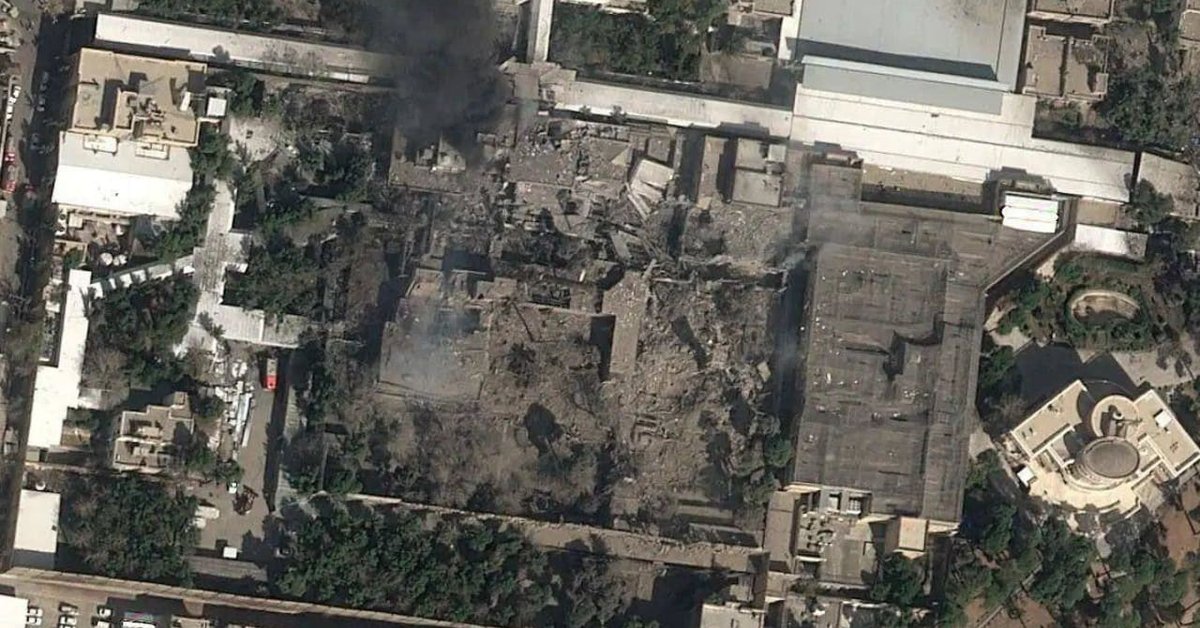
The United States conducted an eighth consecutive night of airstrikes against Iranian military and infrastructure targets, including coastal surveillance, air defense facilities, and missile storage sites in Hormozgan and Khuzestan provinces. US Central Command stated these operations targeted IRGC units linked to the 17 July deaths of two American service members in Jordan. In response, Iran launched drone and missile attacks against US military facilities in Kuwait, specifically targeting Camp Al Adiri and Ali Al Salem Air Base, while the IRGC claimed to have destroyed a US MQ-9 drone over Ahvaz. Iranian officials reported significant damage to civilian infrastructure, including bridges, railways, and desalination plants, which has disrupted water supplies for approximately 10,000 people.
Key Actors
- ·US Central Command(US military combatant command)Executing strikes against Iranian military facilities and IRGC units in retaliation for the deaths of American service members.
- ·IRGC(Iranian paramilitary organization)Conducting retaliatory strikes against US-hosted facilities in Kuwait and claiming the destruction of a US MQ-9 drone.
- ·Ali Abdullahi(Major-General and commander of Khatam al-Anbiya Central Headquarters)Warned of a decisive and devastating response to US aggression and pledged to impose heavier costs on Washington.
- ·Kuwaiti Military(National armed forces of Kuwait)Engaged in intercepting hostile missile and drone attacks targeting US military facilities within its borders.
Why It Matters
The direct military exchange between the United States and Iran, coupled with the targeting of critical infrastructure like desalination plants, represents a significant escalation in regional instability. The disruption of water security and transport networks in the Gulf threatens the operational capacity of US forces and the humanitarian stability of the region, while the involvement of Kuwaiti territory risks expanding the conflict beyond the initial US-Iran standoff.
Watch For
Monitor for further reports on the operational status of desalination plants in the Gulf, as their continued degradation poses a severe humanitarian risk. Additionally, observe whether the US expands its target list beyond the southern provinces and if Iran initiates further strikes against GCC states hosting US military assets.
Generated 6d ago · Based on full articleAuto-Compiled
This page aggregates and summarizes reporting from Middle East Eye. The Conflict Pulse does not author original reporting. Read the original source for full coverage.
CONFLICT OVERVIEW
Iran
Latest verified updates on Iran’s regional confrontation, U.S.–Israeli strikes, missile retaliation, proxy networks, sanctions, and Strait of Hormuz risks.
SOURCE PERSPECTIVES
How outlets across the bias spectrum are covering this conflict.
left
US expands Iran attacks as Trump warns Tehran and Houthis over Red Sea strikes
The Guardian Middle EastHow Chinese tech and Russian tactics are aiding Iran’s bombing of US bases
The Guardian AsiaLATEST FROM IRAN